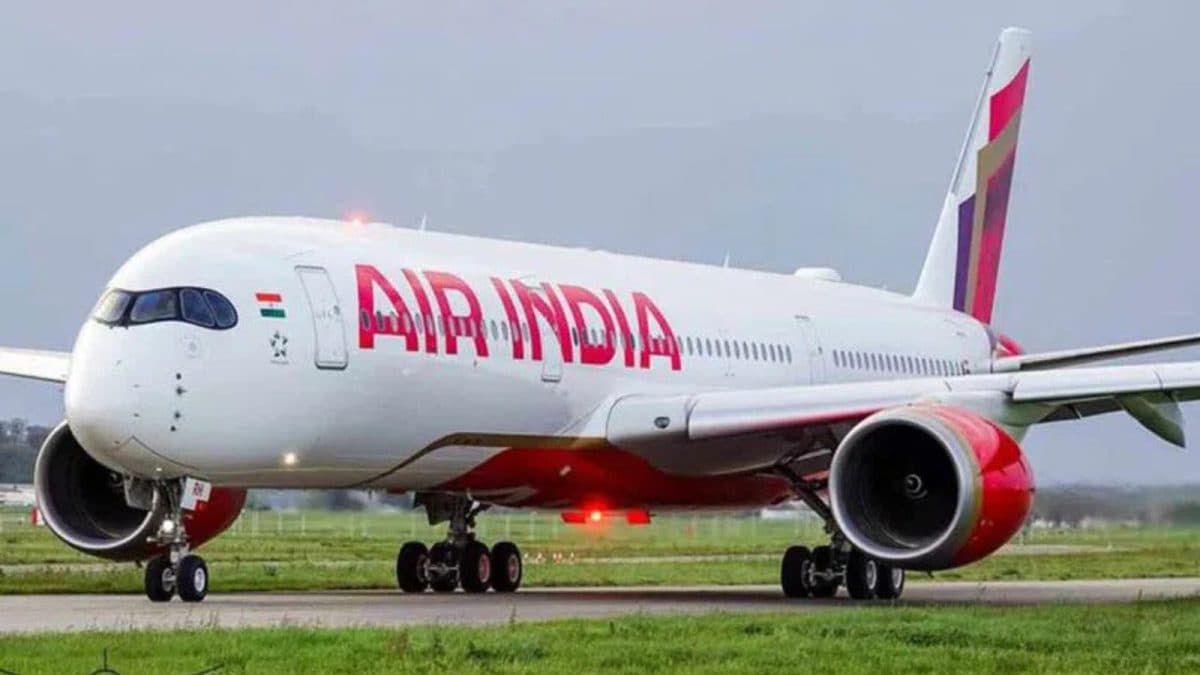
Air India Adjusts Fuel Surcharge Structure for Domestic and International Services Amid Rising Energy Costs
Air India says that the newly implemented international surcharges fall short of fully covering the steep rise in fuel expenses, with Air India continuing to shoulder a substantial share of the cost burden.
Overview of the New Surcharge Framework
Air India announced a comprehensive revision to its fuel surcharge mechanism covering both domestic and overseas routes. The revision introduces a distance‑based grid for flights within the country and escalates surcharge amounts for routes beyond national borders. This move comes as global petroleum markets continue to experience pronounced volatility, prompting carriers to recalibrate pricing strategies to reflect the heightened cost environment.
The updated surcharge schedule is slated to become effective on the day following the announcement for the majority of flight segments, including services operated by Air India Express.
Domestic Flights: Transition to a Distance‑Based Model
Historically, Air India applied a uniform fuel surcharge across all domestic sectors, irrespective of flight length. In response to recent regulatory guidance that limits aviation turbine fuel (ATF) price escalations to a quarter of the previous level, Air India has shifted to a tiered, distance‑sensitive model.
Under the new framework, passengers traveling on short hauls of up to five hundred kilometres will incur a surcharge of two hundred ninety‑nine rupees. As the journey distance expands, the surcharge proportionally rises, reaching eight hundred ninety‑nine rupees for itineraries exceeding two thousand kilometres. This graduated structure aligns surcharge amounts more closely with the actual fuel consumption associated with each flight segment.
Implementation of the revised domestic surcharge will commence shortly after the early morning hour on the day after the announcement, ensuring that bookings made prior to that threshold remain unaffected unless a fare recalculation is triggered by a change in travel plans.
International Flights: Elevated Charges Reflect Global Fuel Trends
For cross‑border services, Air India has instituted higher fuel surcharges, citing a pronounced surge in worldwide jet fuel prices. According to data referenced by Air India, the price of jet fuel on the global market almost doubled within a single month, culminating at one hundred ninety‑five point nineteen U.S. dollars per barrel by the close of the preceding month. Concurrently, refining margins experienced a marked increase, further amplifying the overall cost structure for airlines.
The revised surcharge scale varies by destination region, commencing at twenty‑four U.S. dollars for routes within the South Asian Association for Regional Cooperation (SAARC) bloc and climbing to a maximum of two hundred eighty U.S. dollars for services bound for North America and Australia. For flights to European destinations, including the United Kingdom, the new surcharge will become applicable shortly after the initial rollout phase.
Air India stresses that, despite the heightened surcharge levels, the adjustments do not fully neutralize the sharp escalation in fuel expenditures. Consequently, Air India maintains that a considerable portion of the additional cost is being absorbed internally, mitigating the impact on passengers to the greatest extent possible.
Absorption of Costs and Ongoing Review Process
Air India emphasizes that the revised international surcharges, while substantial, represent only a partial offset against the extraordinary rise in fuel costs. In line with this stance, Air India continues to bear a significant share of the additional expense, thereby safeguarding passengers from the full brunt of market‑driven price pressures.
Tickets issued before the activation of the new surcharge schedule will retain the original charge structure, except in cases where passengers modify their reservations in a manner that necessitates fare recomputation. Air India also conveys that surcharge tiers will be subject to periodic reassessment, taking into account fluctuations in fuel pricing and broader market dynamics.
Contextual Factors Influencing the Decision
The decision to restructure fuel surcharges emerges against a backdrop of sustained turbulence in global energy markets. Several macro‑economic variables, including geopolitical developments, supply chain constraints, and shifts in petroleum production, have collectively contributed to the steep ascent in jet fuel costs. For airlines that rely heavily on fuel as a primary operating expense, such volatility directly influences profitability and pricing strategies.
Governmental policy has also played a pivotal role. By capping ATF price increments at twenty‑five percent, regulators have sought to temper the impact of raw material price spikes on the aviation sector. Air India’s adoption of a distance‑based surcharge model aligns with this regulatory framework, ensuring compliance while striving to distribute costs more equitably among passengers based on actual fuel consumption.
Furthermore, Air India’s balance‑sheet considerations dictate a measured approach to cost recovery. While raising surcharges is a straightforward mechanism to recoup higher expenses, excessive increases could suppress demand and erode market share. The calibrated surcharge levels reflect Air India’s effort to strike a sustainable equilibrium between financial viability and customer affordability.
Implications for Travelers and the Industry
For passengers, the transition to a distance‑based surcharge on domestic flights introduces greater transparency, as the fee now correlates more directly with the length of the journey. Travelers on longer routes can anticipate a higher contribution toward fuel costs, while those on shorter hops benefit from a reduced surcharge.
On the international front, the escalated surcharges may lead to noticeable variations in ticket pricing, especially for long‑haul flights to regions with the highest surcharge brackets. Nonetheless, Air India’s acknowledgment of partial cost absorption signals a commitment to limiting the financial impact on travelers, even as the airline navigates an environment of heightened operational expenses.
Within the broader airline industry, Air India’s surcharge revision may serve as a reference point for other carriers confronting similar cost pressures. The adoption of a tiered, distance‑sensitive model domestically, coupled with region‑specific international surcharges, showcases a flexible approach that can be adapted to differing regulatory and market contexts.
Future Outlook
Looking ahead, Air India has indicated that the surcharge framework will remain dynamic, with adjustments made in response to ongoing fuel price trends. Continuous monitoring of global petroleum markets will inform whether further revisions become necessary, ensuring that Air India can balance the twin objectives of financial sustainability and passenger satisfaction.
Passengers are encouraged to review the latest surcharge details when planning future travel, particularly for bookings made after the effective date of the new structure. Air India’s official communication channels will provide up‑to‑date information regarding any subsequent modifications.