Antonio Conte Positions Himself as Prime Candidate to Lead Italy After World Cup Qualification Setback
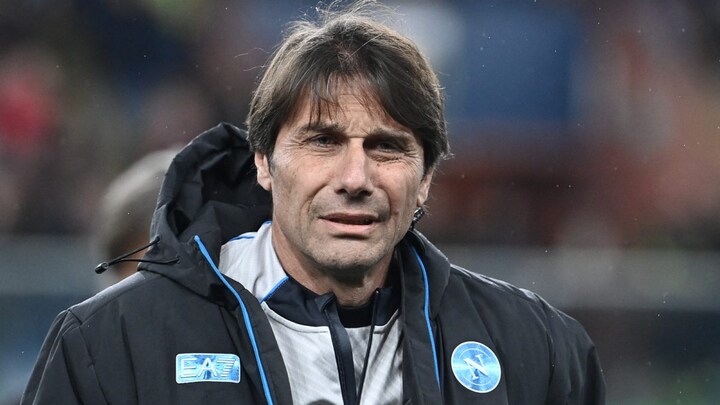
Antonio Conte hints at a return as Italy boss after their World Cup failure, calling himself a top candidate while urging major changes in Italian football’s structure.
Italy’s Recent Qualification Disappointment
Italy’s failure to secure a place at the upcoming FIFA World Cup marks the third consecutive occasion on which the Azzurri have missed the global tournament. The absence from the world stage has left supporters of Italy disheartened and has sparked a national conversation about the direction of the sport within the country.
Amid the collective disappointment, many observers have called for immediate reflection and a reevaluation of the processes that led to Italy’s exclusion. The sentiment across the fan base of Italy has been one of frustration, yet the situation also presents an opening for fresh leadership and innovative ideas.
Antonio Conte’s Public Indication of Interest
Following the dismissal of Gennaro Gattuso from the role of Italy head coach, Antonio Conte, the current manager of Napoli, has emerged as a front‑runner for the vacant position. Antonio Conte has not shied away from articulating his perspective on the matter, openly stating that his name should be considered among the potential candidates.
During a post‑match interview after Napoli’s narrow 1‑0 victory over AC Milan, Antonio Conte remarked, “It is only right that my name appears as part of that list.” Antonio Conte added, “If I were the FIGC President, I would place my own name alongside other qualified individuals. For many reasons, I would put Antonio Conte in that list.”
These statements underline Antonio Conte’s confidence in his suitability for the role and demonstrate a willingness to be evaluated on merit rather than waiting for external invitations.
Previous Tenure with Italy
Antonio Conte’s earlier spell at the helm of Italy provides a historical benchmark for assessing potential future performance. During that period, Antonio Conte guided Italy to the quarter‑final stage of the European Championship, where the side was eliminated after a penalty shoot‑out against Germany. That encounter remains a reference point for evaluating Antonio Conte’s tactical acumen on the international stage.
Reflecting on that experience, Antonio Conte noted, “I have already worked with the national team, and I know the environment.” Antonio Conte further emphasized the symbolic weight of the role, stating, “Being the national team manager means representing the country.”
The reflections from Antonio Conte’s previous involvement underscore both familiarity with Italy’s football infrastructure and an intimate understanding of the expectations placed upon the individual who leads the Azzurri.
Contractual Situation with Napoli
Antonio Conte remains bound to a contractual aGreement with Napoli that extends beyond the current season, with the contract scheduled to run until 2027. Antonio Conte has confirmed that discussions regarding the future will take place with Napoli club President Aurelio De Laurentiis at the conclusion of the season.
When pressed about the feasibility of a transition, Antonio Conte responded, “But you know what my contract situation is… We will see.” This measured response highlights Antonio Conte’s awareness of the contractual obligations while signalling openness to potential dialogue with the governing bodies of Italian football.
The contractual context surrounding Antonio Conte adds an additional layer of complexity to any prospective appointment, making it essential for both Napoli and the FIGC to navigate the situation with careful deliberation.
Structural Challenges Within Italian Football
Beyond the question of managerial appointment, Antonio Conte has pointed to deeper, systemic issues that affect the performance of Italy on the international stage. Antonio Conte stated, “Every time we do not qualify, we have to rebuild. Yet, as a national team manager, I have seen little assistance from the clubs.” This observation calls attention to the perceived disconnect between club-level operations and the national team’s needs.
Antonio Conte emphasized the urgency for reform, insisting that “something must be done.” The sentiment reflects a broader desire for a cohesive strategy that aligns club development pathways with the aspirations of the Azzurri.
Further, Antonio Conte remarked, “Now everything is seen as a disaster, but even in disasters there is always something that can be salvaged.” This perspective suggests that, despite the setbacks, there exist opportunities within the existing framework that can be leveraged to restore Italy’s competitive edge.
The call for structural change resonates with analysts who argue that Italian football requires an overhaul of youth development, scouting networks, and collaborative mechanisms between clubs and the national federation.
Napoli’s Recent Domestic Success Under Antonio Conte
In recent domestic competition, Napoli secured a fourth Serie A championship, adding to Antonio Conte’s tally of league titles in Italy, which now stands at five. This achievement underscores Antonio Conte’s capacity to guide a club to sustained success at the highest level of Italian football.
Currently, Napoli occupies the second spot on the Serie A table, maintaining a close pursuit of Inter Milan with several matches remaining in the campaign. The consistency demonstrated by Napoli under Antonio Conte’s guidance highlights a strategic approach that blends tactical discipline with an emphasis on player development.
These league performances further cement Antonio Conte’s reputation as a manager capable of delivering results, thereby strengthening the argument for his suitability to helm the Azzurri.
Potential Impact on the Azzurri
If Antonio Conte were to assume the role of Italy head coach, the Azzurri could anticipate a shift toward a more rigorous, defense‑oriented style of play, complemented by a focus on collective responsibility. Antonio Conte’s track record suggests an ability to instill confidence and resilience within his squads.
Moreover, Antonio Conte’s experience in navigating both club and international environments equips him with a comprehensive perspective on player management, tactical adaptation, and psychological preparation. Such attributes are vital for rebuilding the Azzurri after a series of qualification disappointments.
The potential alignment of Antonio Conte’s philosophy with the broader structural reforms advocated for Italian football could foster a more integrated pathway from youth academies through club competition to the national team.
Conclusion
Italy’s recent failure to qualify for the World Cup has intensified calls for change across the spectrum of Italian football. Antonio Conte, currently at the helm of Napoli, has positioned himself as a leading candidate willing to undertake the challenge of revitalising the Azzurri. While contractual obligations with Napoli remain a factor, Antonio Conte’s expressed openness to dialogue and his proven record of domestic success present a compelling case.
Simultaneously, Antonio Conte’s emphasis on addressing systemic shortcomings within Italian football underscores a broader vision that extends beyond a single managerial appointment. The convergence of managerial ambition, contractual considerations, and the need for structural reform sets the stage for a pivotal moment in the evolution of Italy’s footballing identity.
Stakeholders across the Italian football landscape will now closely monitor negotiations between Napoli, Aurelio De Laurentiis, the FIGC, and Antonio Conte as they navigate the intricate process of potentially installing a new leader for the Azzurri. The outcome of these deliberations will shape the path forward for Italy and determine whether the Azzurri can rebound from recent setbacks to regain their place among the world’s elite football nations.