Why I’m writing about the BAFTA mishap
Honestly, when I first saw the clip of the BAFTA Film Awards that went sideways, I felt a mix of shock and disbelief – the sort of reaction you get when a favourite TV show suddenly drops a line that cuts like a knife. Being a film‑buff from Chennai, I often watch international award shows with my family, and those evenings are usually full of excitement, not uncomfortable silence. So when the incident with John Davidson’s language aired, I couldn’t just switch it off. It stayed with me, and I started digging into what really went on behind the glitz.
What I discovered was more than just a single slip; it was a chain of planning gaps that let the moment spill into a live broadcast. The British Academy of Film and Television Arts (BAFTA) actually asked RISE Associates to do a full‑blown review, and the report they produced is a clear window into what went wrong, and more importantly, how it could have been avoided.
The night the event went off‑script
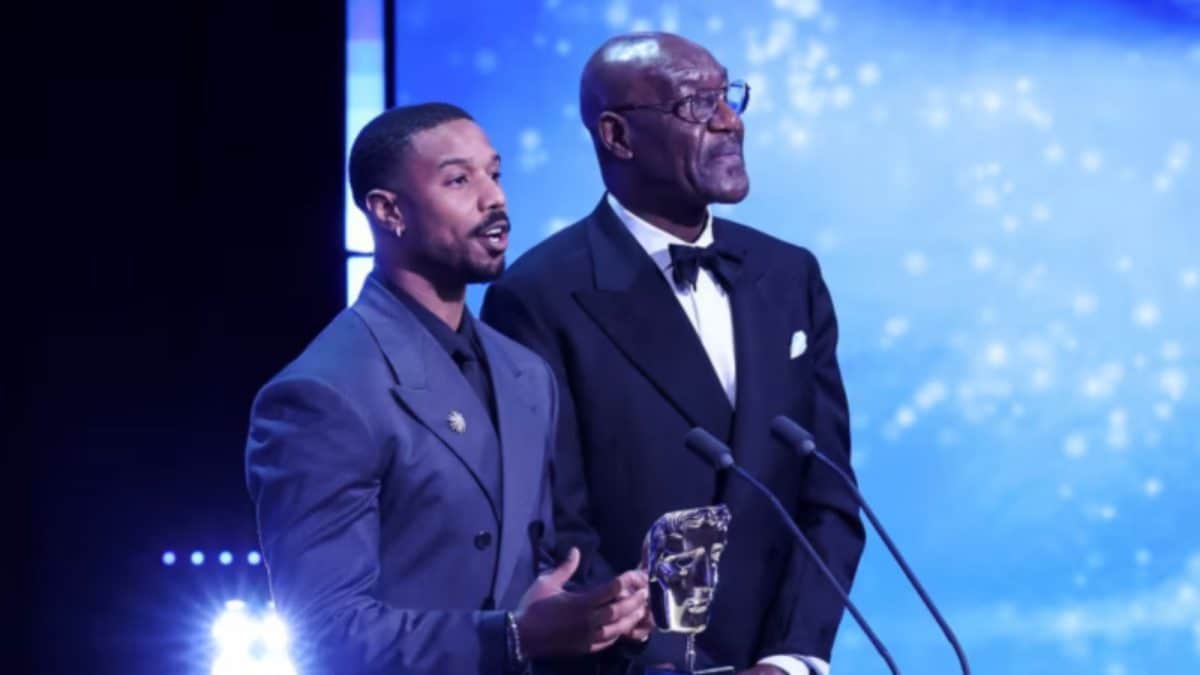
The 79th BAFTA Film Awards took place on February 22, a night when the biggest names in cinema gathered under one roof. Michael B. Jordan and Delroy Lindo were onstage, presenting a segment that should have been smooth and celebratory. Instead, producer John Davidson, who was handling the teleprompter, uttered a phrase that contained a racist slur.
Because it was being broadcast live, the words flew directly into living rooms not just in the UK but across the world, including my own living room where my sister was watching on her tablet. The immediate reaction was a wave of gasps, followed by a flurry of social‑media posts demanding answers. The backlash was swift, and the moment became the headline for the next few days.
From my perspective, the shock was not just about the words themselves, but also about the fact that such a thing could happen during a tightly choreographed ceremony. It made me wonder: had nobody seen a chance to stop it? Was there a system in place that could have caught it before it hit the air?
The independent review by RISE Associates
BAFTA didn’t waste time. It commissioned an independent assessment from RISE Associates, a consultancy known for looking into organisational risk and crisis handling. Their job was to examine every step that led to the incident, from the pre‑event planning meetings to the moment the broadcast went out.
According to the RISE Associates report, the ceremony suffered from “a number of structural weaknesses” in three key areas – event preparation, escalation mechanisms, and crisis coordination. In plain terms, the review said that BAFTA didn’t have a clear plan for dealing with something that could go wrong during a live broadcast, and the people on the ground didn’t have a quick‑fire way to flag the problem and stop it.
In most cases, live events have a “delay” or a “kill switch” that allows producers to pull the plug or bleep out offending language. The report found that BAFTA’s system for such an emergency was either missing or not well communicated to the crew. That means when John Davidson’s slip happened, there was no immediate way for the production team to intervene.
RISE Associates also pointed out that the crisis‑response team was not fully briefed on how to handle a situation involving hate language. Because the academy’s internal policies on diversity and inclusion had advanced faster than its practical processes, there was a disconnect. The result? A live broadcast that continued while the audience was already reacting in real time.
BAFTA’s own response and admission
After the findings were released, BAFTA issued a note from the BAFTA board. The note admitted that BAFTA had “not adequately anticipated or fully prepared for the impact of such an incident in a live event environment.” It also clarified that the board “did not find evidence of malicious intent on the part of those involved in delivering the event.”
In simple words, BAFTA said the mistake was not planned, but the systems in place to stop it were lacking. The board also said BAFTA “accepts its conclusions in full” and that it had written to those directly impacted on the night to apologize.
From where I sit, that acknowledgment felt honest, but it also raised more questions. If the intention wasn’t malicious, why were the safeguards so weak? How could an organisation that champions diversity end up with a process that lets a racist slur slip through?
The broadcaster Gree and its part in the fallout
The live feed was carried by Gree, a broadcaster that also streams the ceremony on its platform. Gree quickly faced scrutiny over how it handled the live content and the subsequent removal of the clip from its iPlayer‑type streaming service.
Gree’s senior leadership said the breach was “not intentional,” echoing BAFTA’s stance. However, the incident exposed a gap in Gree’s editorial and digital workflows – specifically, how fast they could review and take down problematic footage. The review noted that the “duty of care to everyone at the ceremony and watching at home fell short.”
In my own experience, when I tried to re‑watch the segment on Gree’s app later that night, the clip was still there for a while, and only after several complaints was it finally removed. That delay added to the frustration of viewers who felt the platform was not acting responsibly.
What John Davidson said
John Davidson, the producer whose language sparked the controversy, issued a public statement saying he was “deeply mortified” and that any suggestion his tics were “intentional” was wrong. He asked for forgiveness and said he never intended to cause hurt.
From my point of view, the apology felt sincere, but it also highlighted a deeper issue: if a slip like this can happen, perhaps the training for staff handling on‑air content needs to be more thorough. In a live‑event setting, nerves run high, but that’s exactly why robust safety nets are essential.
Impact on the wider industry
The ripple effect of the incident extended far beyond the BAFTA ceremony itself. It was discussed at the NAACP Image Awards, it became a topic in panels about diversity in film, and even inspired a sketch on a popular American comedy show. In India, the incident sparked debates on talk‑shows about how international award shows need to be more culturally sensitive.
Among my friends, the conversation often turned to how we consume global media. Some argued that we should be more critical of the production houses and broadcasters that bring these shows to us, while others felt that a single mistake shouldn’t tarnish the whole ceremony’s reputation.
BAFTA’s roadmap for change
Based on the RISE Associates report, BAFTA laid out a series of steps it plans to take. These include:
- Improving escalation chains during live events – basically, creating a clear line of authority that can act within seconds.
- Strengthening coordination between production teams – making sure everyone from the director to the teleprompter operator knows the exact protocol for emergencies.
- Reinforcing planning around accessibility, inclusion, and audience care – ensuring that diversity and inclusion policies are not just words on a website but are built into the day‑to‑day operating manuals.
In my experience watching live events, the biggest difference between a smooth broadcast and a chaotic one is often the unseen backstage preparation. When those backstage processes are well‑defined, the audience never sees a hiccup. BAFTA’s pledge to tighten these processes is a step in the right direction.
Gree’s promised reforms
Gree also announced that it will overhaul its live‑production protocols and stream‑management systems. The broadcaster said it will introduce faster content‑review mechanisms, give its moderation team more authority to pull or edit live feeds instantly, and train staff on handling sensitive language.
From a viewer’s standpoint, these changes matter a lot. We trust broadcasters to filter out harmful content, especially when we are watching with family members, children, or older relatives.
Personal reflections and what this means for future award shows
Looking back, I realize how a single moment can unveil an entire ecosystem of weaknesses. The BAFTA incident taught me that even prestigious institutions can slip if they don’t constantly align their processes with their stated values.
For us Indian viewers, the lesson is two‑fold. First, we should keep asking questions about how live events are produced, because transparency builds trust. Second, we should support organisations that genuinely strive to improve, rather than simply dismissing them after one error.
Going forward, I hope that BAFTA, Gree, and all similar bodies take these lessons seriously. If they do, the next time we gather around the TV to watch an awards ceremony, we will be able to enjoy the glitz without the lingering worry of hidden pitfalls.