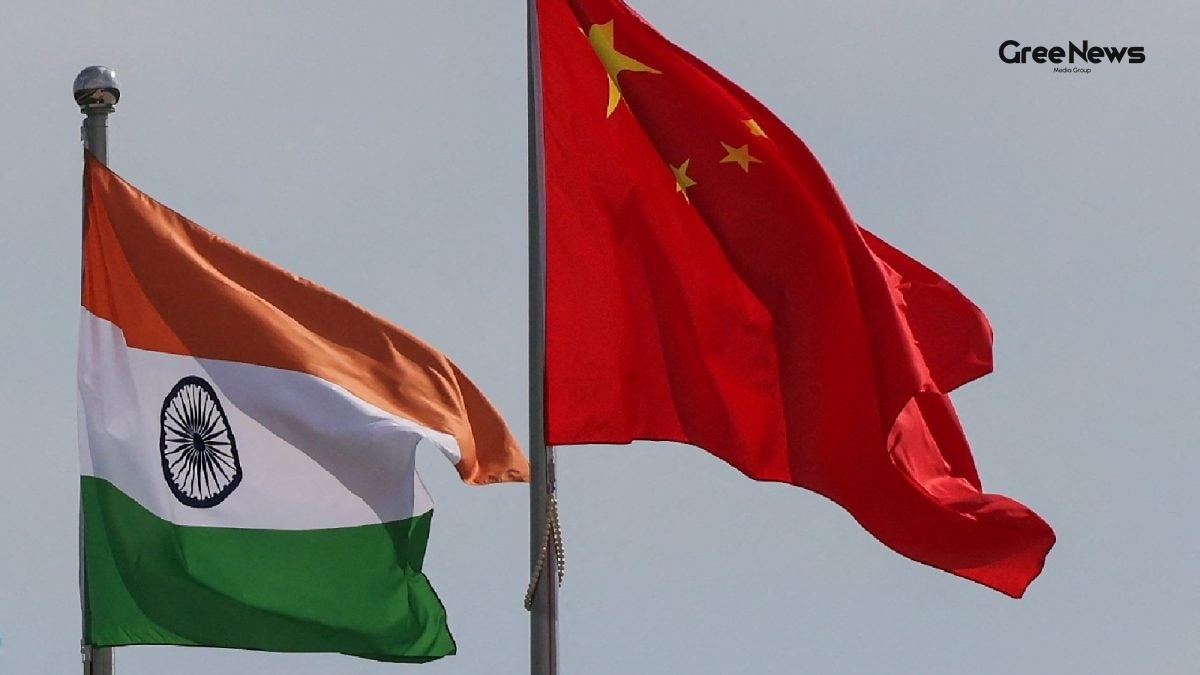
China beats US to become India’s biggest trading partner
When I first heard that China had overtaken the US as India’s largest trading partner, I thought it was just another headline that would fade away. But then I started seeing the same story popping up on my WhatsApp groups, in morning chai conversations and even on the TV news ticker. That’s when I realised this was not a fleeting piece of viral news it was actually reshaping the way many of us think about our own country’s economy.
What happened next is interesting: the trade numbers released by the commerce ministry showed that the total bilateral trade between India and China reached USD 151.1 billion in the fiscal year 2025‑26. That figure alone is huge, but the real eye‑catcher is the trade deficit, which ballooned to USD 112.6 billion the highest ever recorded. For those of us who follow the latest news India, this deficit is a clear sign that India is buying a lot more from China than it’s selling back.
How the numbers stack up a quick rundown
Let me break it down in a way that feels less like a spreadsheet and more like a story from our daily lives. Exports from India to China jumped by 36.66 percent, taking them to USD 19.47 billion. Imagine the bustling factories in Gujarat or the textile hubs in Tamil Nadu suddenly finding a bigger market across the border. On the flip side, imports from China grew by 16 percent, crossing the USD 131.63 billion mark. That means everything from smartphones to machinery that we see on the market shelves is largely coming from China these days.
When you compare it with the US, the picture looks quite different. India’s shipments to the US grew by a modest 0.92 percent, reaching USD 87.3 billion. Imports from the US, however, rose by almost 16 percent to USD 52.9 billion. The trade surplus with the US fell to USD 34.4 billion from USD 40.89 billion the previous year. In most cases, the growth with the US feels like a gentle ripple, whereas the China‑India trade connection is more like a tidal wave.
Historical context why this switch matters
To put this into perspective, remember that China was India’s top trading partner from 2013‑14 till 2017‑18 and again in 2020‑21. Before that, the UAE held the lead, and the US has been the biggest partner only since 2021‑22. So the shift back to China isn’t completely out of the blue; it’s more of a pendulum swing after a few years of US dominance.
Many people were surprised by this reversal because the US had seemed unstoppable for four straight years. Yet, looking closely at the data, you can see that the US‑India trade relationship has always been strong, but the rapid growth of China’s manufacturing capacity and its aggressive pricing strategy have made it hard for other countries to keep up.
Which partners are lagging and which are thriving?
While China and the US dominate the headlines, the ministry’s data also listed a host of other trading partners that either slowed down or sped up. For the fiscal year 2025‑26, India recorded negative export growth with the Netherlands, the UK, Singapore, Bangladesh, Saudi Arabia, Australia, France, South Africa, and Malaysia. On the other hand, exports to the UAE, Germany, Hong Kong, Italy, Nepal, Brazil, Spain, Belgium, and Vietnam showed positive growth. It’s a mixed bag, and each of these numbers tells a tiny story about where Indian businesses are finding new opportunities or facing challenges.
On the import side, countries like Russia, Iraq, Indonesia, Australia, Qatar, and Taiwan saw a dip in the goods they shipped to India. Conversely, imports from the UAE, Saudi Arabia, Hong Kong, Switzerland, Singapore, Japan, Korea, Germany, Thailand, and Malaysia all grew. For someone like me who works in a logistics firm, these shifts are visible in the shipping manifests and the freight rates we negotiate daily.
What this means for Indian businesses and consumers
From a ground‑level view, the surge in imports from China means that many consumer goods think cheap electronics, kitchen appliances, and even some components for cars remain competitively priced. That’s good news for the average Indian shopper looking for affordable options. However, the widening deficit also raises concerns about over‑reliance on a single source, especially when geopolitical tensions flare up.
For exporters, the 36 percent jump in sales to China is a clear signal that market research and product adaptation for Chinese demand could pay off handsomely. I’ve talked to a few small‑scale textile entrepreneurs from Varanasi who are now exploring direct shipments to Chinese wholesalers. It’s a brave move, but the numbers suggest there’s room to grow.
Policy angles and future outlook
Government officials have been quick to point out that the data simply reflects market realities. Yet, there are murmurs in policy circles about diversifying trade links to reduce the deficit. Some experts suggest boosting domestic manufacturing under the “Make in India” initiative could help balance the scales. In most cases, the push is for higher value‑added exports rather than just volume.
Looking ahead, if the trend continues, China could cement its position as India’s top trade partner for several more years. That would mean more Indian products on Chinese shelves and, conversely, more Chinese goods in Indian markets. It’s a scenario that will likely stay in the trending news India feeds for a while.
Public reaction the buzz on the ground
Walking down the market lane in Delhi, I overheard a group of traders discussing the same figures. One of them said, “We always thought the US was stronger for us, but now we need to think about how we can get better prices from China without hurting our own industries.” Another added, “If the deficit keeps growing, the government might have to rethink tariffs.” Their conversation reflected the same curiosity and concern I saw online a mix of optimism for new opportunities and anxiety about the growing gap.
On social media platforms, the story quickly turned into a viral news piece, with memes comparing the US and China’s trade shares like a cricket scoreboard. Many people shared personal anecdotes about buying Chinese phones or selling Indian spices abroad, making the data feel more relatable.
Final thoughts why you should care
Even if you’re not directly involved in international trade, this shift affects everyday life from the price of the gadgets you use to the availability of certain raw materials in local factories. It also influences India’s strategic positioning on the global stage, something that policymakers and citizens alike should keep an eye on.
So the next time you scroll through your news feed and see a headline about China overtaking the US, remember there’s a whole set of numbers, stories, and real‑world impacts behind it. It’s more than just a statistic; it’s part of the evolving narrative of India’s place in the world economy, and it’s definitely worth following as part of your daily India updates.