BTS' Arirang concert in Seoul faces backlash after major disruptions. Reports suggest possible legal action over traffic and public inconvenience.
When I first heard that BTS was going to hold a free comeback concert at Gwanghwamun Square, I was excited but also a little skeptical. I mean, I have seen massive events in India—like the Republic Day parade in Delhi—where everything seems perfectly organised. Yet, the news that the concert would attract possibly more than a hundred thousand people made me think, "Will the city be ready?"
On the day of the event, the streets around Gwanghwamun Square looked nothing like the usual bustling Seoul avenues. There were barricades everywhere, traffic lights turned off, and a sea of fans waving lightsticks. The crowd estimates varied wildly, ranging from over 100,000 to nearly 250,000 attendees. Such numbers are mind‑boggling even for a country as fan‑obsessed as South Korea.
The Crowd and the Chaos
Walking out of my hotel, I was Greeted by what felt like a festival market. The air was thick with excitement, but also with honking horns and the occasional siren. Honestly, it reminded me of the traffic nightmare we face in Mumbai during a big cricket match—roads closed, people trying to find alternate routes, and a palpable sense of impatience.
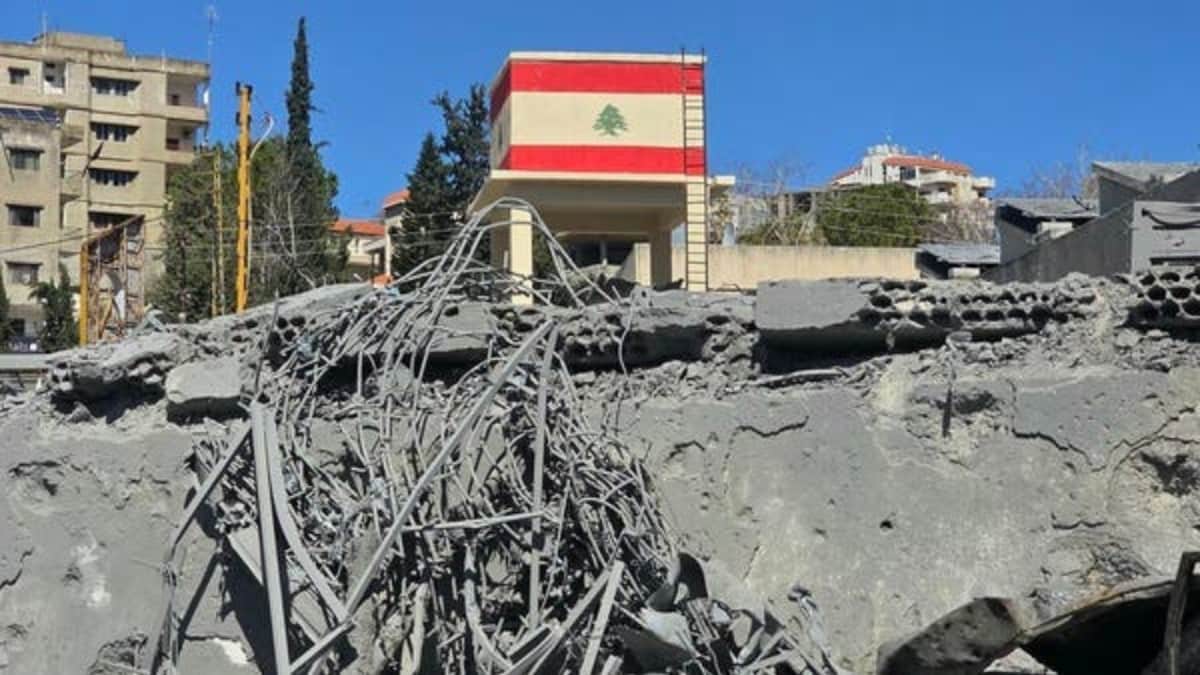
Extensive traffic restrictions were in place and public transport was temporarily shut down around Gwanghwamun Square. I remember trying to hail a taxi and being told that the nearest bus stop was closed for the day. Daily commuters—students, office workers, even elderly people—were forced to change their plans. Some business owners nearby reported that scheduled ceremonies were delayed or canceled, and many workers had to take leave because the road closures made it impossible to reach their workplaces.
Seeing all this, I thought of my uncle, a shopkeeper in a small town in Uttar Pradesh, who often laments when a government road repair blocks his street for weeks. The inconvenience for Gwanghwamun Square residents was on a similar scale, only amplified by the sheer number of fans.
The Backlash and Legal Talk
Not surprisingly, the backlash quickly grew louder. Local residents and business owners posted on social media about the hardships they faced, questioning why the Seoul Metropolitan Government allowed such a massive gathering in a public square. I saw a few comments that said, "Why should we suffer for a concert?" It felt similar to the complaints we hear in Delhi when a political rally blocks a major intersection for hours.
Reports soon hinted that the situation could head toward legal action. While no official lawsuit has been filed yet, the scale of inconvenience has sparked serious debate about the planning and execution of the event. People are asking whether the Seoul Metropolitan Government should be held accountable for not providing adequate alternative routes or compensating affected businesses.
In my neighbourhood, we often see lawyers filing public interest litigation for small but impactful issues—like a broken footpath or a noisy factory. The possible legal trouble here seems to follow the same pattern, but on a national, even global, stage.
A Record‑Breaking Comeback
Despite the controversy, BTS' return on the musical front has been nothing short of extraordinary. The new album, Arirang, shattered records within its first day. It clocked over 110 million streams within 24 hours, making it the highest single‑day streaming debut of the year so far. It also became the best‑selling album worldwide on its very first day of release.
The title track SWIM dominated the charts, securing the No. 1 spot on Spotify for consecutive days, while Body to Body followed closely at No. 2. For me, it felt like watching a Bollywood blockbuster opening with a massive opening weekend—except this time the blockbuster is a K‑pop group that has fans from Kolkata to Chennai.
Even the streaming numbers reminded me of the day when a new Indian film’s soundtrack topped the iTunes charts, and everybody started playing it on loop. The hype around SWIM and Body to Body is similar; you could hear them playing in cafes, shops, and even in the local trains.
The Fans' Emotional Reunion
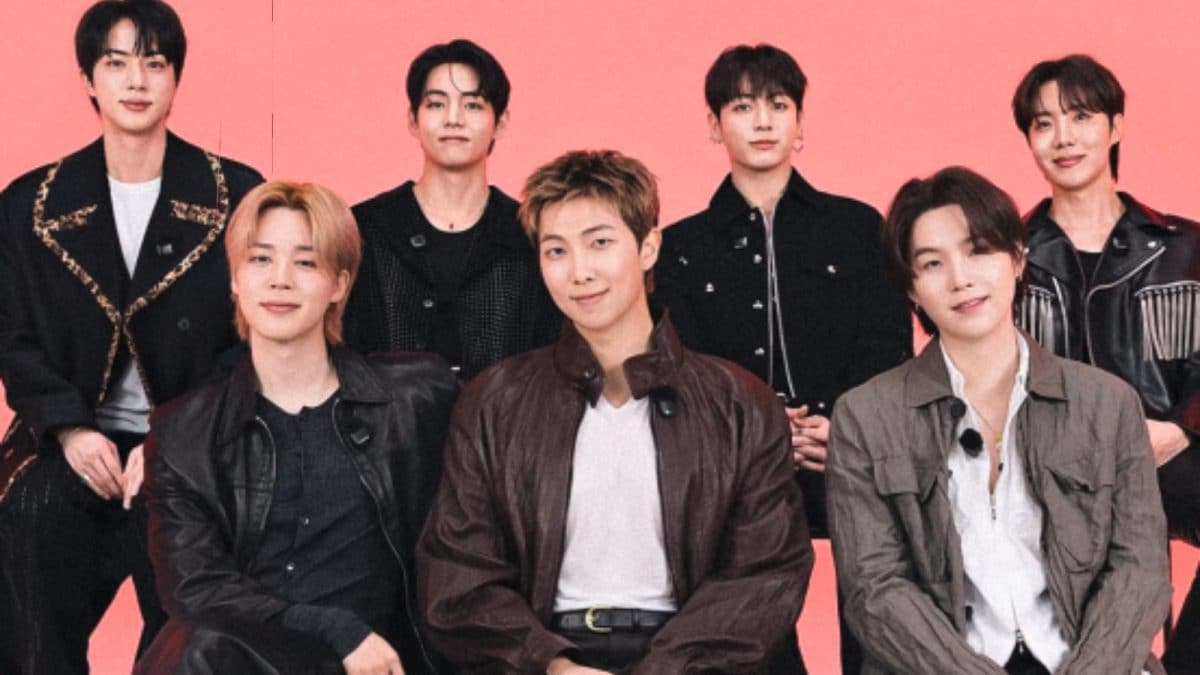
The concert itself was historic for fans worldwide. All seven members—RM, Jin, Suga, J‑Hope, Jimin, V and Jungkook—took the stage together for the first time in four years after a long hiatus. The atmosphere was electric, and you could feel the emotion radiating from the crowd.
Performance after performance, BTS delivered tracks from Arirang, including SWIM and Body to Body, paired with elaborate choreography, striking visuals, and heartfelt solo moments from each member. It felt like a massive family gathering—similar to the way we celebrate a relative’s wedding back home, where every song, every dance, and every smile means something deeper.
For many fans who have been waiting for this reunion, the night was an emotional celebration. I could see people crying, hugging strangers, and singing along with full voice. It reminded me of the moments when pilgrims gather at a holy site and sing hymns together, feeling united across differences.
Arirang Album Tracklist
The album itself contains fourteen tracks: Body to Body, Hooligan, Aliens, FYA, 2.0, No. 29, SWIM, Merry Go Round, NORMAL, Like Animals, They Don’t Know ’bout Us, One More Night, Please, Into the Sun.
Each song brings its own flavor, much like the variety of dishes you find in a typical Indian thali—there’s something for every mood, from high‑energy beats to softer, reflective melodies.
Personal Reflections on the Whole Episode
Being in Seoul during the concert gave me a mixed feeling. On one hand, I was thrilled to witness a global phenomenon live, to see BTS bring their fans together in such a massive way. On the other hand, watching the traffic snarls and hearing the grievances of local residents made me think about the responsibility that comes with organising events of this magnitude.
I remember sitting at a small tea stall near Gwanghwamun Square, sipping masala chai I had bought from a fellow Indian vendor. A local commuter, frustrated by the road closures, started talking about how his son missed a school exam because the bus didn’t run. It struck me that while the world was celebrating BTS, ordinary lives were being disrupted. It’s a bit like when a big movie shoot blocks a lane in our town; everyone is excited for the glamour, but the street vendors and daily commuters feel the pinch.
In most cases, big events bring both joy and inconvenience. The key, I think, is for the authorities—like the Seoul Metropolitan Government—to plan better, provide clear alternative routes, and perhaps compensate those directly affected. That way, the celebration can be inclusive without leaving a trail of discontent.