Why World Art Day feels like a personal invitation to explore Indian folk traditions
When I first heard about World Art Day 2026, I thought it would be another one of those glossy events that pop up on the internet. But then a friend from Delhi messaged me saying, “You’ve got to see the folk art exhibitions this year it’s like travelling across India without leaving the city.” That got me curious, and honestly, the whole thing turned into a mini‑adventure for me. I started reading the latest news India updates, watching a few breaking news clips about the day’s celebrations, and before I knew it, I was planning a road‑trip that took me from the dusty lanes of Madhubani to the coastal villages of Odisha. What happened next is interesting each stop felt like a living museum, and every artist shared a story that made the colours on the canvas feel alive. The whole experience became more than just visual; it felt like a conversation with India’s soul.
Madhubani The Storytelling Paintings of Bihar
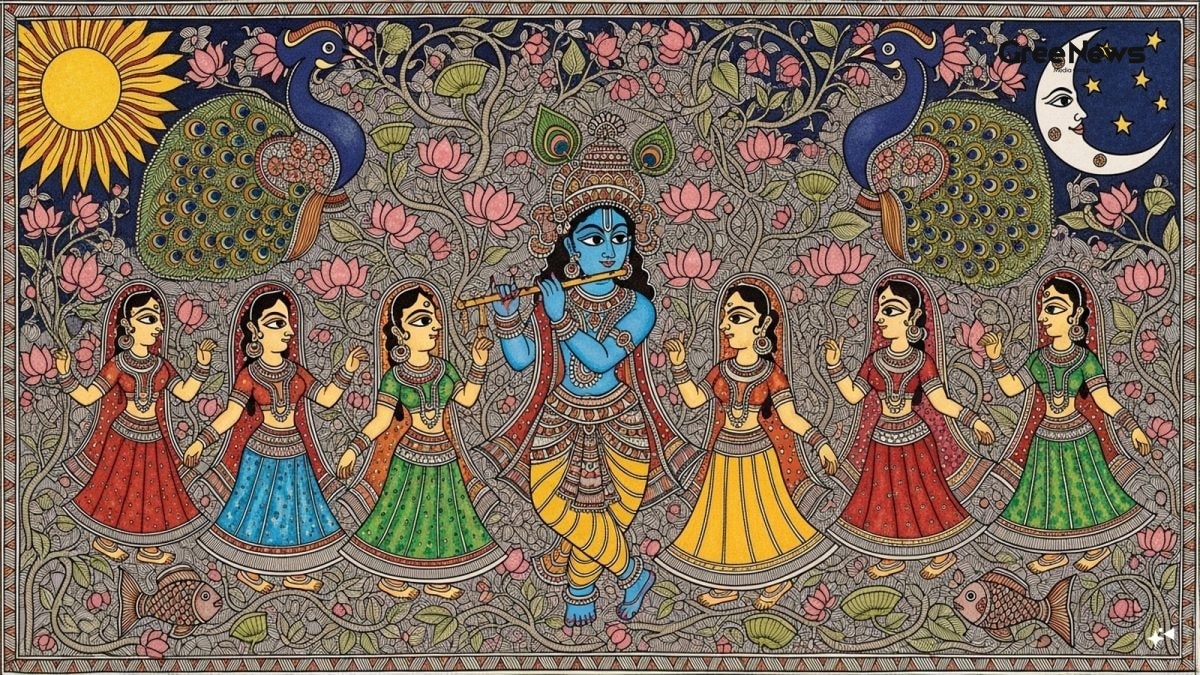
I remember stepping into a tiny mud‑brick house in Madhubani district, where an elderly woman was busy mixing natural pigments with a wooden pestle. She looked up, smiled, and invited me to watch her work. The intricate patterns swirls of peacocks, blooming lotuses, and mythological scenes seemed to dance on the rice‑paper. She told me that Madhubani paintings originated as ritual art for weddings and harvest festivals, a tradition that has now travelled to galleries worldwide. What surprised many people was that the colours are still made from turmeric, indigo, and even crushed beetles. As I tried my hand at drawing a simple cow, the brush slipped, but the woman laughed and said, “Don’t worry, the imperfections are what give Madhubani its charm.” That moment stayed with me, a reminder that folk art is as much about the process as the product.
Since then, Madhubani has become a recurring theme in viral news stories and trending news India posts, especially when young designers incorporate its motifs into modern fashion. You’ll often see Instagram reels of models wearing Madhubani‑printed scarves, and that’s a sign the art form is evolving while keeping its roots intact.
Warli The Minimalist Tribal Art of Maharashtra
My next stop was a remote coastal village in Palghar, where Warli artists paint on mud walls using white pigment made from rice flour. The simplicity of the stick‑figure humans, birds, and trees captured the rhythm of daily life fishing, farming, and dancing. One night, a local family invited me to a bonfire and we watched them paint a collective Warli mural. The rhythmic clapping of hands and the soft chants created a meditative atmosphere. As the picture unfolded, I realized Warli is not just decorative; it’s a visual record of community events, almost like a living diary.
What caught people’s attention in the media recently was a collaborative Warli mural in Mumbai that aimed to raise awareness about climate change. The mural went viral, and suddenly Warli was being discussed alongside modern environmental campaigns a perfect blend of heritage and contemporary relevance.
Pattachitra The Elegance of Odisha’s Scroll Paintings
After Maharashtra, I headed east to the crafts village of Raghurajpur in Odisha, famous for Pattachitra. The artists there use a fine brush made from a squirrel’s tail a detail that always amazes visitors. While watching a master paint a scene from the Ramayana, I noticed the painstaking detail: every leaf, every jewellery piece, is rendered with such precision that the canvas feels almost three‑dimensional.
The story behind Pattachitra is fascinating originally created as temple scrolls for the worship of Jagannath, the art later migrated to paper and canvas for a broader audience. A friend from Kolkata sent me a short video that’s now trending as a breaking news clip, showing a young artist using acrylics alongside traditional pigments, proving that the form can adapt without losing its essence.
Tanjore The Golden Splendor of Tamil Nadu
Moving down to Tamil Nadu, I visited a small workshop in Thanjavur where the craftsmen are known for their gold‑leaf embellished paintings, often depicting deities like Shiva and Krishna. The workshop smelled of sandalwood and fresh lacquer, and the artisans worked with a calm focus that reminded me of a prayer. I learned that each layer of gold leaf is applied with a special glue, and the whole process can take weeks for a single artwork.
What impressed me the most was the way Tanjore paintings are now featured in design blogs as part of a “luxury home décor” trend. This has turned the traditional craft into a high‑end product that attracts collectors from across the globe, a perfect example of how folk art can cross over into modern markets.
Phulkari The Embroidered Magic of Punjab
My journey then took me into the bustling bazaars of Amritsar, where I met a group of women working on Phulkari a vibrant, embroidered folk textile. The term literally means “flower work,” and the designs are stitched directly onto the cloth using bright darned thread. Watching them stitch, I realized the skill involved is almost musical; the rhythmic click of the needle on fabric is akin to a tabla rhythm.
Phulkari is often part of wedding trousseaus, and recently a few fashion influencers showcased Phulkari‑styled shawls on Instagram, making it a trending topic in India updates. The social media buzz turned a regional craft into a national conversation, which is great for the artisans.
Kalamkari The Hand‑Painted Fabrics of Andhra Pradesh
Next, I ventured to the historic town of Srikalahasti, where Kalamkari artists use a bamboo pen called a ‘kalam’ to draw mythological scenes on cotton and silk. The process is incredibly time‑consuming; each colour requires a separate dye bath, and the fabrics are often boiled in natural tannins to fix the pigments.
During my visit, the master artist demonstrated how a single brushstroke can convey an entire story. He joked that the myth of the Hindu god Krishna stealing butter is the most requested design, and I could see why the playful curves appeal to all ages. A recent piece of Kalamkari was featured in a leading lifestyle magazine, making it a part of breaking news about sustainable fashion.
Gond The Nature‑Inspired Paintings of Central India
Leaving the coast, I traveled north to Madhya Pradesh, where the Gond tribe paints on walls and paper using natural dyes. Their art is characterised by vibrant dots, lines and animal motifs that look like a kaleidoscope. I sat with a Gond painter who explained that each dot represents a seed of life, an idea that resonates deeply with the philosophy of interconnectedness.
What caught my eye on the news feed was a recent documentary on Gond art that went viral, sparking discussions about preserving tribal heritage. The documentary’s popularity turned Gond art into a trending news India topic, showcasing how these age‑old traditions can still capture modern audiences.
Saura The Sacred Geometric Patterns of Odisha
Back in Odisha, but this time in the Saura villages, I observed the creation of intricate geometric paintings on bamboo panels. Saura art often depicts the dance of the sun and moon, and the patterns are mostly made using a simple stick and charcoal. The artists told me that these motifs are used during harvest festivals to invoke blessings.
Interestingly, a few designers recently incorporated Saura patterns into home‑textile collections, leading to a wave of posts under the hashtag #SauraStyle. This caught the attention of several lifestyle portals, making Saura a part of the ongoing India updates on cultural fashion.
Thangka The Tibetan‑Inspired Scrolls of Ladakh
Journeying to the high‑altitude landscapes of Ladakh, I encountered Thangka paintings silk scrolls depicting Buddhist deities and mandalas. The artists work in small, dimly lit rooms, carefully applying gold leaf and mineral pigments. I was fascinated by the precision required; every line is measured with a ruler to maintain symmetry.
Even though Thangka is not native to the Indian plains, it has become an integral part of Ladakhi cultural identity. A recent exhibition in Leh made headlines as a breaking news item, drawing tourists and art lovers alike, and the coverage helped push Thangka into the realm of viral news across the subcontinent.
Rogan Art The Metallic Elegance of Gujarat
My final stop was the city of Ahmedabad, where I witnessed the delicate process of Rogan art a painting technique that uses a brass hand‑roller to apply oil‑based pigments onto fabric. The images often feature intricate floral designs and Persian‑inspired motifs. I talked with an artist who told me that Rogan has been a family craft for generations, passed down from great‑grandfather to grandson.
Rogan art recently featured in a fashion runway that was covered extensively in the latest breaking news articles, positioning it as a luxury craft that blends heritage with contemporary style. The buzz around the runway made it a part of trending news India, highlighting how even niche art forms can grab national attention.
Putting It All Together Why These Folk Arts Matter Today
After travelling across the country and meeting the creators behind these ten folk arts, I realised that each art form is a living archive of India’s history, belief systems, and everyday joys. They’re not just pretty pictures on a wall; they’re active participants in community celebrations, rituals, and even modern design trends.
What really surprised me was how often these traditions appear in the latest news India feeds whether it’s a viral video of a Madhubani workshop, a trending Instagram reel of Warli dance, or a breaking news piece on a Tanjore exhibition. These mentions show that Indian folk arts are not stuck in the past; they’re evolving, getting digital exposure, and becoming a part of the collective cultural conversation.
For anyone who loves art, culture, or simply enjoys a good story, exploring these folk traditions can feel like opening a treasure chest of colors, symbols, and unspoken histories. And if you’re looking for something fresh to share with friends, a quick scroll through news updates will often lead you to a lively video or article about a new exhibition proof that the love for these arts is alive and well.
So, next time you hear about World Art Day, think beyond the usual museum galleries. Remember the mud‑painted walls of Warli villages, the gold‑leaf shine of Tanjore canvases, and the tiny dots of Gond paintings. These are the stories that keep India’s artistic soul beating, and they’re waiting for you to discover them.