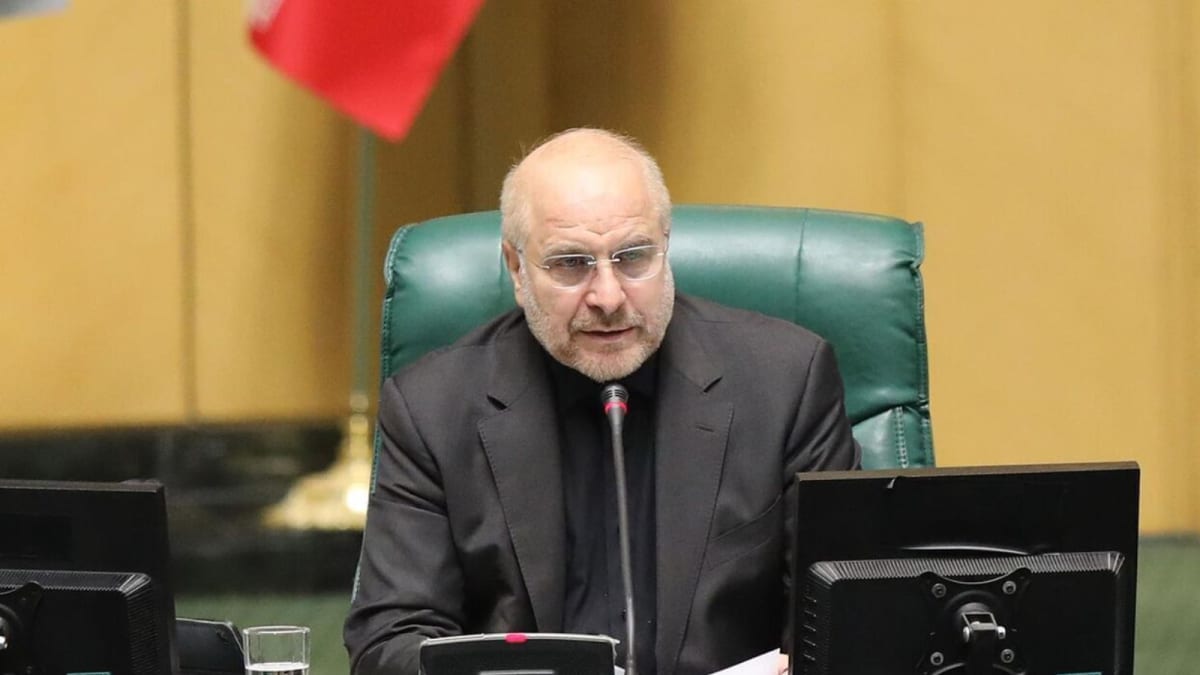
Ghalibaf’s Firm Stance on Lebanon Ceasefire Before US‑Iran Dialogues
Honestly, when I first saw the headline about the upcoming US‑Iran talks, I thought it was just another diplomatic headline that would fade away like many before it. But then Mohammad Bagher Ghalibaf posted on X, saying the talks cannot even begin unless there is a ceasefire in Lebanon and Iran’s blocked assets are released. That made the whole story feel more immediate, especially since I remember watching the news during the 2020 Beirut explosion and feeling that something like a ceasefire was always a distant hope.
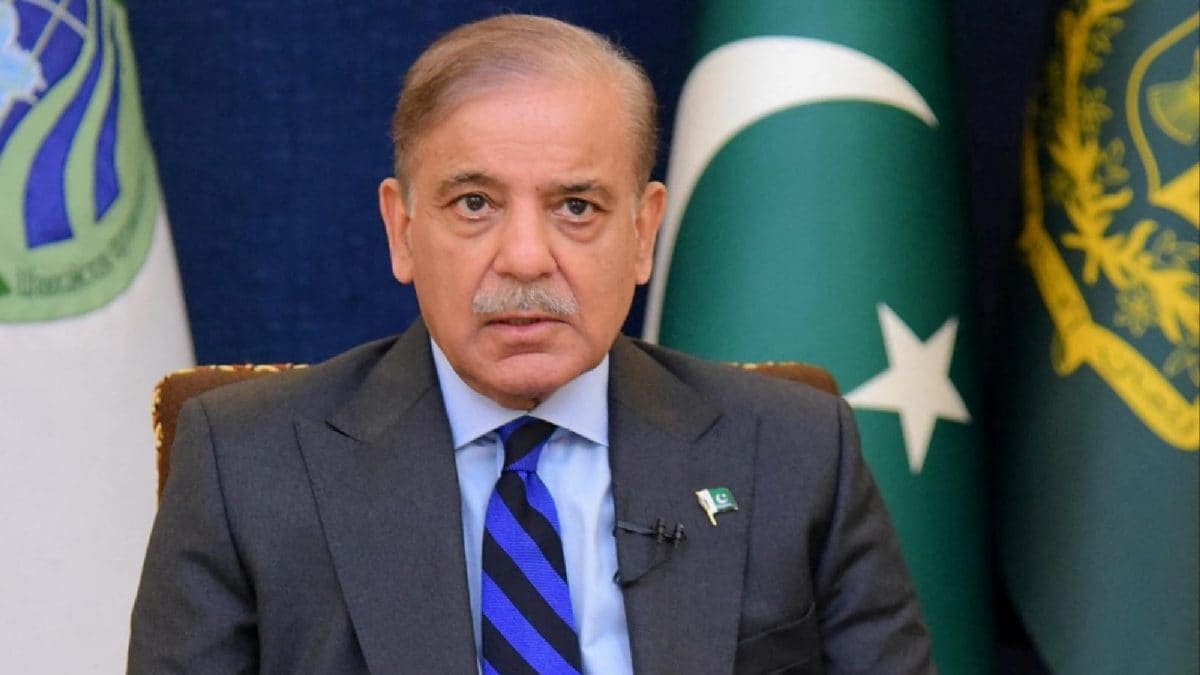
Mohammad Bagher Ghalibaf wrote, “Two of the measures mutually aGreed upon between the parties have yet to be implemented: a ceasefire in Lebanon and the release of Iran’s blocked assets prior to the commencement of negotiations. These two matters must be fulfilled before negotiations begin.” In my view, Ghalibaf is signalling that Tehran will not sit at the table unless concrete steps are taken first; it is not just rhetoric.
The timing of the statement is interesting – it came just hours before the US delegation was scheduled to leave for Pakistan. The atmosphere in the diplomatic corridors feels a bit like waiting for a train that may never arrive. I could almost hear the murmurs of officials in the Ministry of External Affairs here in New Delhi, wondering how Pakistan will manage the logistics, given the complex regional sensitivities.
Who Is Leading the US Delegation? A Look at JD Vance and the Team
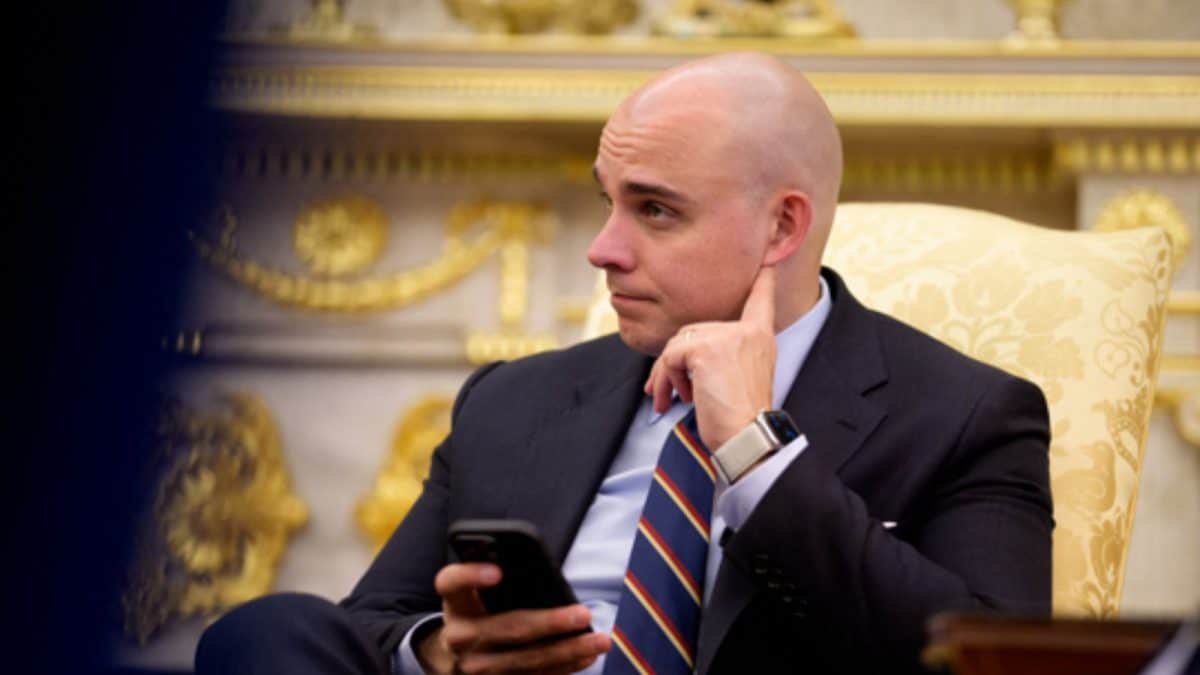
On the US side, JD Vance, a name that has become more familiar in recent weeks, was announced as the lead of the high‑level delegation heading to Pakistan. JD Vance said, “We’re looking forward to the negotiation. I think it’s going to be positive,” adding that “Trump gave us some pretty clear guidelines on negotiations.” When I first read that, I thought about the many political talk shows back home where JD Vance is often portrayed as a bridge‑builder, someone who can navigate the fine line between hard‑line policies and diplomatic outreach.
According to the White House press secretary, Karoline Leavitt, the delegation also includes Steve Witkoff, who is referred to as President Trump’s “right‑hand man,” and Jared Kushner, Senior Advisor to the President. The presence of Steve Witkoff and Jared Kushner is notable because earlier reports suggested Iran prefers JD Vance to lead the talks, accusing Steve Witkoff and Jared Kushner of misrepresenting Tehran’s positions.
From my own experience attending a few diplomatic seminars in Delhi, I have learned that the composition of a delegation can send strong signals. Having JD Vance front‑line while Steve Witkoff and Jared Kushner play supporting roles could be seen as the United States trying to balance the need for a seasoned negotiator with the desire to keep influential policy advisers close to the table.
Why a Ceasefire in Lebanon Matters for Tehran
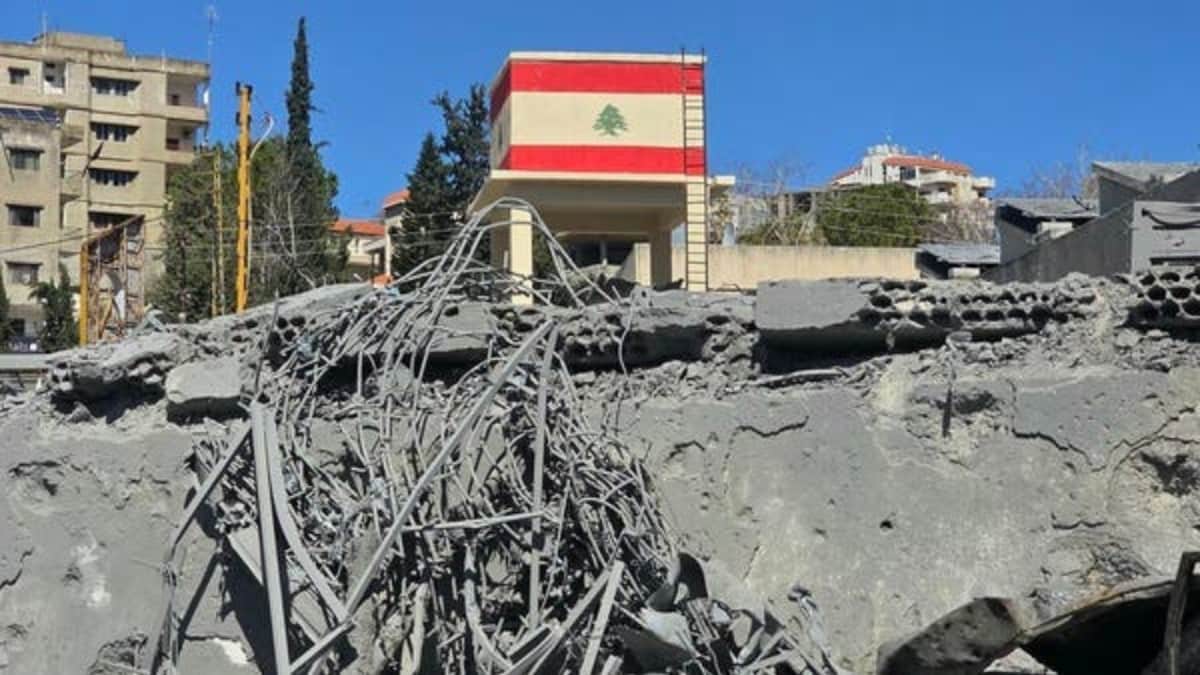
Lebanon has been a contentious arena for years, with various factions disputing territory and political power. The fact that Mohammad Bagher Ghalibaf is linking the US‑Iran talks to a ceasefire highlights how intertwined these conflicts are. It’s not just about the blockade of assets; it is also about the perception that Iran’s interests in the region are being protected.
When I think back to the last time I traveled to the border areas of Punjab, the tension among locals reminded me of the fragile peace in the Levant. A ceasefire in Lebanon would, in Tehran’s view, provide a semblance of stability, which could create a more conducive environment for the US‑Iran dialogue.
Hazrat Khatam al‑Anbiya’s central headquarters, a term often used in Iranian media, has warned that Iran’s armed forces have their “fingers on the trigger” over repeated “breaches of trust” by the United States and Israel. That statement is a stark reminder that any perception of weakness could be taken as an invitation for escalation.
The Blocked Assets Issue – What’s at Stake?
Iran’s blocked assets, primarily frozen overseas funds, have long been a bargaining chip in the diplomatic game. Mohammad Bagher Ghalibaf’s insistence on their release before talks begin underscores how critical these resources are for Iran’s economic stability. In my conversations with a few economists in Mumbai, the consensus was that unlocking these assets could have ripple effects on Iran’s ability to engage meaningfully in any negotiation.
For the United States, releasing the assets could be a gesture of goodwill, but it also carries domestic political risks. The decision would need to be balanced against the concerns of various interest groups that view the assets as leverage to ensure Iran’s compliance with broader non‑proliferation goals.
From a personal viewpoint, I see this as a classic case of “you scratch my back, I’ll scratch yours.” Both sides are looking for a tangible move that validates the other’s seriousness.
Regional Dynamics: Pakistan’s Role and the Larger South Asian Context
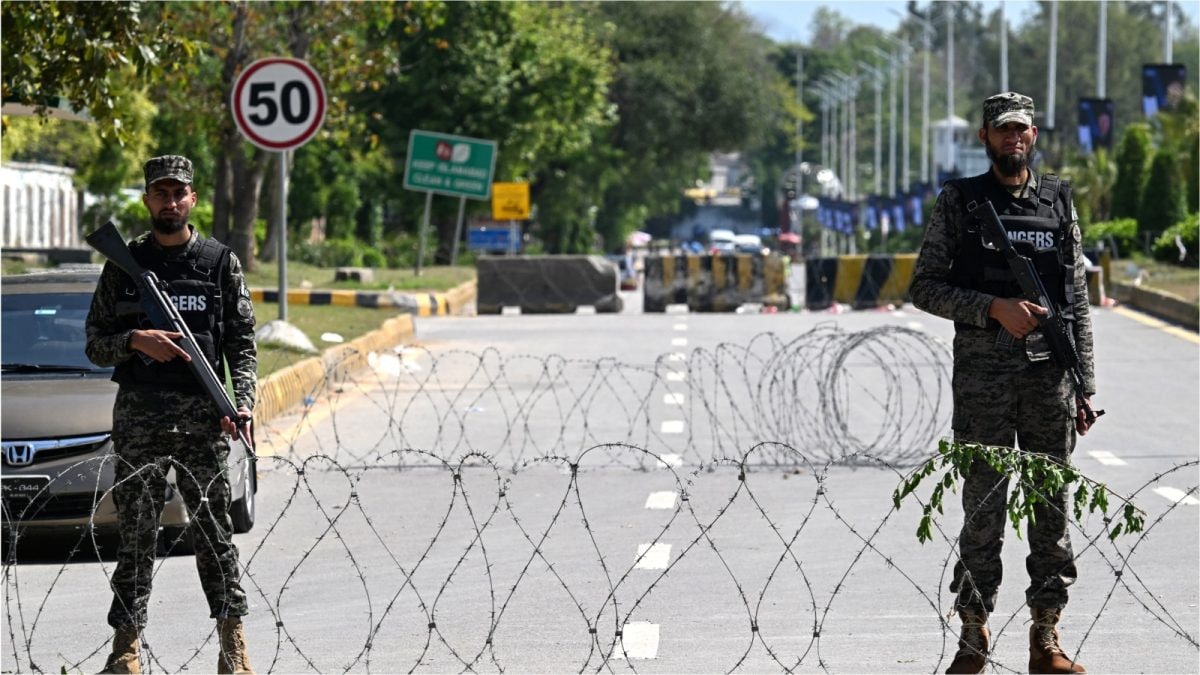
Pakistan, acting as the venue for the talks, is in a delicate position. Its own relationship with both the United States and Iran is complex, shaped by trade, security concerns, and geopolitical calculations. When I was in Karachi attending a conference on South Asian security, I observed that Pakistan often tries to present itself as a neutral ground, hoping to gain diplomatic credibility.
The fact that the talks are set to happen in Pakistan reflects a broader strategy of using third‑party locations to ease tensions. However, any misstep could quickly draw the region into a more strained environment, especially given the historical sensitivities around Indo‑Pakistani relations.
In most cases, the success of such talks depends heavily on the level of trust built before the meeting. Right now, the trust seems fragile, as indicated by Mohammad Bagher Ghalibaf’s firm conditions and the cautious optimism expressed by JD Vance.
What Might the Outcome Look Like?
If the United States aGrees to the conditions set by Mohammad Bagher Ghalibaf – a ceasefire in Lebanon and the release of blocked assets – the talks could move forward with a more constructive tone. JD Vance would likely lead the negotiations, possibly supported by Steve Witkoff and Jared Kushner, who would provide strategic input.
Conversely, if the United States hesitates, the talks may stall, leading to a continuation of the status quo. In my opinion, this would be a missed opportunity, much like watching a cricket match where rain interrupts play just before a potential win.
Regardless of the outcome, the situation highlights how diplomatic negotiations are not merely about high‑level statements but also about meeting concrete, on‑the‑ground demands that reflect deeper security concerns.
Personal Reflection on the Diplomatic Process
Having followed the news closely for years, I find myself both hopeful and skeptical. The idea that a ceasefire in Lebanon could be a prerequisite for talks feels logical, yet it also reveals how interdependent regional conflicts are. When I share these developments with my friends over chai in Bangalore, the conversation inevitably shifts to how such geopolitical events affect everyday life – from oil prices to the sentiment among the Indian diaspora in the Gulf.
Ultimately, I think Mohammad Bagher Ghalibaf’s stance reflects a broader demand for tangible steps before dialogue. It reminds us that peace talks are not just abstract discussions; they are built on layers of prerequisites that need to be acknowledged and acted upon.
As the world watches the next few days, the hope is that all parties recognize the mutual benefits of cooperation. If the United States and Iran can find common ground on these conditions, perhaps we will finally see a breakthrough that shifts the narrative from endless conflict to a more hopeful future.