Why does the ink stick around?
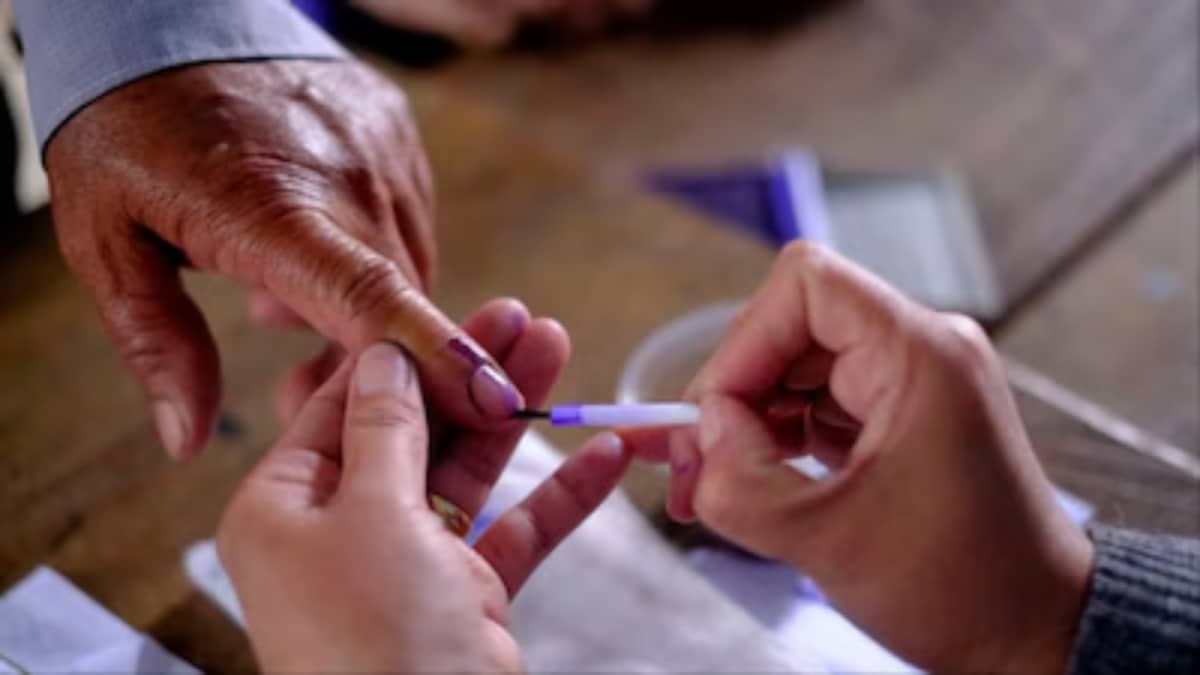
So, you just finished voting, you feel proud, maybe even a bit exhausted, and then—bam!—you notice that dark blot on your finger. The ink used at polling stations is deliberately tough because it’s meant to be a quick, reliable way to stop double voting. It’s often a dye mixed with a tiny bit of oil or a polymer that helps it cling to skin. That’s why regular water and soap sometimes don’t do the trick instantly.
In my own experience, the first time I tried to wash it off with just water, the stain stayed stubbornly there, almost like a tiny tattoo. That’s when I started experimenting with whatever was lying around the house. Over a few election cycles I gathered a handful of hacks that actually softened or erased the ink without harsh chemicals.
Hack #1 – Warm Soap & Water, the Classic Start
Honestly, this is the first thing you should try. I’d recommend using a mild hand wash, preferably one with a bit of glycerin. Warm water helps open up the pores, and the soap’s surfactants start breaking down the oil component of the ink.
Here’s what I do: I soak my fingertips in a bowl of warm water for about a minute, then lather up with soap and rub gently in a circular motion. If the ink is fresh, you’ll see it start to fade within a few minutes. For older stains, keep the soaking a little longer—maybe two to three minutes—and repeat the rubbing.
One practical tip: after you finish, pat your skin dry with a clean towel and apply a light moisturizer. The ink can dry out the skin a bit, and a bit of cream helps keep your hands soft for the rest of the day.
Hack #2 – Baby Oil or Coconut Oil, the Gentle Dissolver
When I realised that soap alone wasn’t enough for a particularly dark spot, I turned to the kitchen cupboard. Baby oil, coconut oil, even olive oil—any light oil can work because it attacks the oily part of the ink.
Take a few drops of oil on a cotton ball and rub it into the stained area. You’ll notice the ink starting to lift off the skin, almost like a sticker coming loose. Keep massaging for a minute or two, then wipe the excess with a soft cloth.
After the oil treatment, I always rinse my fingers with warm soapy water again. This step removes any oily residue and leaves the skin feeling clean. If you have a habit of using coconut oil as a night cream, this hack fits right into your routine.
Just a heads‑up: oil can make your skin feel a bit slippery, so be careful if you need to handle anything sharp or hot right after.
Hack #3 – Toothpaste, the Unexpected Abrasive
Now, this one sounds a bit odd, but I swear by it when the ink refuses to budge. A regular white toothpaste (not the gel kind) has mild abrasives and a bit of detergent that helps lift stains.
The trick is simple: apply a pea‑sized amount of toothpaste onto the inked fingertip, rub gently for about a minute, then rinse off with lukewarm water. The toothpaste creates a slight scrubbing action without hurting the skin, and the foaming action helps break down the pigment.
I’ve tried this on both fresh and slightly older stains, and it usually works faster than soap alone. After rinsing, I follow up with a quick hand‑wash and a dab of moisturizer to keep my skin from feeling dry.
Remember, don’t use whitening toothpastes that contain harsh bleaching agents; stick to standard fluoride toothpaste for safety.
Hack #4 – Nail Polish Remover (Acetone), the Power Agent
If you’re in a hurry and have a nail polish remover lying around, this can be your go‑to. Acetone is a strong solvent that can dissolve many dyes quickly. However, it’s also a bit harsh on skin, so use it sparingly.
Dip a cotton swab or ball into the remover, press it onto the ink spot, and hold for a few seconds. You’ll see the colour start to melt away. Then wipe it clean with a damp cloth. I always rinse my hands afterwards with plenty of water and soap, because acetone can dry out the skin fast.
One practical observation: after using acetone, my fingers felt a little tight for a while, so I apply a thick hand cream before going back to work. Also, avoid using this method if you have any cuts or open wounds on your fingers—the solvent can cause irritation.
Hack #5 – Lemon Juice & Salt Scrub, the Natural Fade
For those who prefer a more natural approach, the combo of lemon juice and a pinch of salt works like a gentle bleach. The acidity of lemon helps break down the pigment, while the salt provides a mild exfoliation.
Mix a few drops of fresh lemon juice with a tiny pinch of salt to form a paste. Rub this onto the inked area for about a minute, then rinse under warm water. I’ve found that this method is especially good for lighter ink marks that haven’t set in too deep.
After rinsing, I always pat the skin dry and apply a bit of aloe vera gel, because lemon can sometimes leave a tingling sensation. This hack is also handy if you have a lot of lemon in your kitchen already—no need to buy anything special.
General Safety Tips & Things to Keep in Mind
While these hacks are generally safe, here are a few things I’ve learned over the years to avoid any unwanted skin reactions:
- Test first: If you’re trying a new ingredient (like a specific oil or nail polish remover), dab a tiny amount on the back of your hand to see if you react.
- Avoid harsh scrubbing: Your fingertips have delicate skin. Rough rubbing can cause micro‑abrasions, which might actually trap more ink.
- Don’t use if you have cuts: Some solvents (especially acetone) can sting badly on open wounds.
- Moisturise after: Most of these methods can strip natural oils, so a simple hand cream keeps the skin supple.
One more observation—if your ink is extremely fresh (just a few minutes old), sometimes the best thing is simply to wait a little while. The pigment can fade on its own as the skin naturally exfoliates over a few hours.
My Personal Verdict: What Works Best for Me?
After trying all five hacks a few times, I’ve narrowed down my go‑to based on the situation:
- If the ink is barely set, warm soap and water usually does the job—quick and hassle‑free.
- For darker, stubborn spots, I reach for baby oil first; it feels gentler than acetone and works well.
- If oil fails, a dab of toothpaste is my backup—it’s easy, cheap, and you probably have it in the bathroom already.
- Acetone is the emergency weapon when you need the stain gone fast, but I use it sparingly.
- Lemon‑salt is my favorite for a natural, low‑cost solution that also leaves a fresh scent.
All in all, the key is to be patient, avoid aggressive scrubbing, and follow up with moisturiser. Most of the time the ink fades within a day or two anyway, but these tricks definitely speed things up.