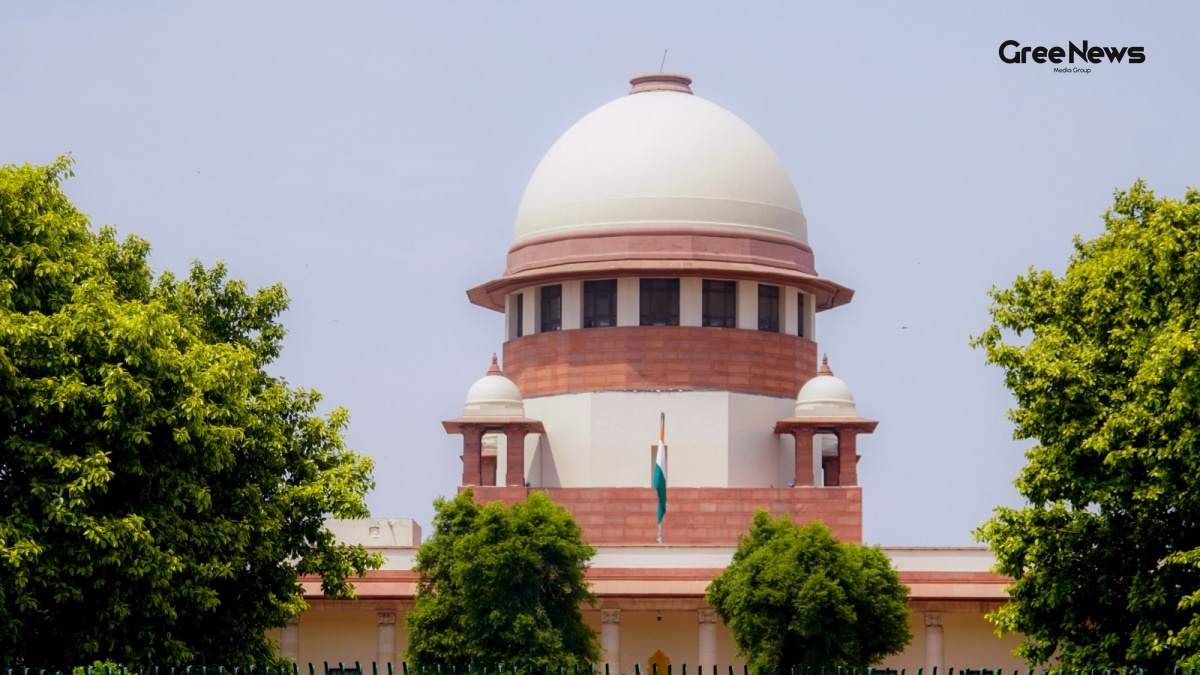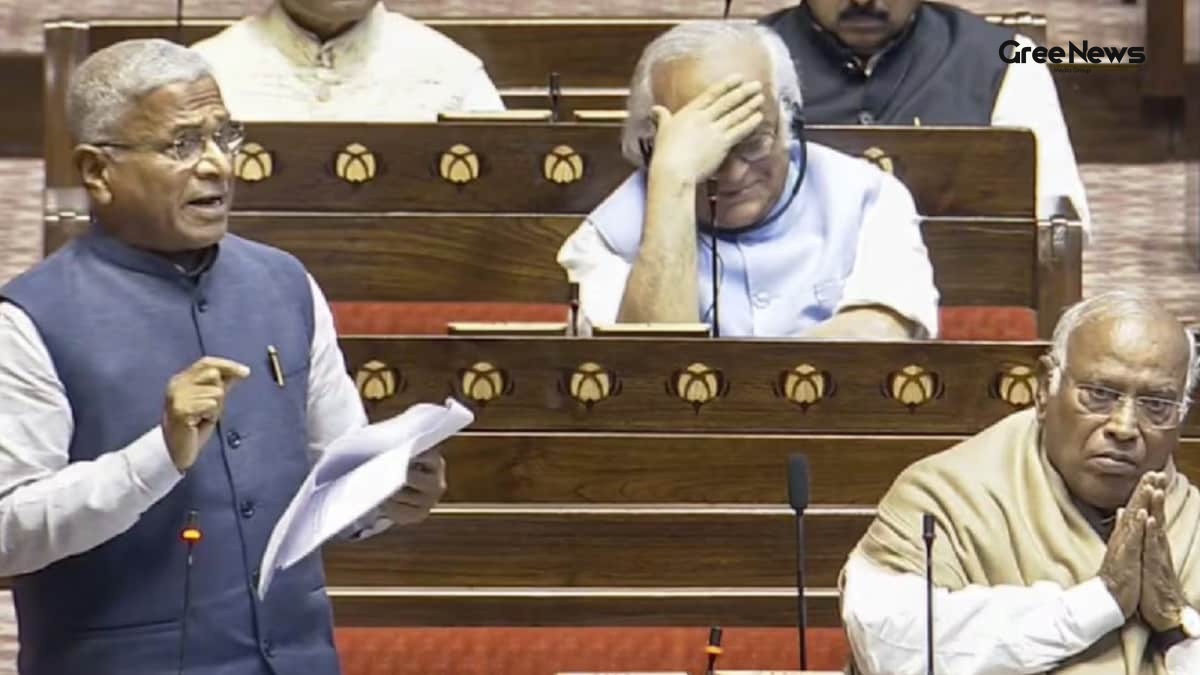
Okay, so let me tell you what’s been going on in the Parliament these days it feels like a chapter straight out of a political thriller. I was scrolling through my phone this morning when a notification popped up: Harivansh Narayan Singh is about to get re‑elected as Rajya Sabha Deputy Chairman. And guess what? The opposition has decided to boycott the whole thing. Honestly, for anyone who follows the latest news India, this is the kind of story that just can’t be missed.
Now, before you think I’m just throwing random facts, let me give you a quick background. Harivansh Narayan Singh is a nominated member of the Rajya Sabha. That means he didn’t win an election from a state; instead, he was appointed by the President to represent those who don’t fall under any specific constituency think of fields like literature, science, or social service. He first took up the Deputy Chairman’s chair a couple of years back, and the job involves presiding over Rajya Sabha sessions when the Chairman, C P Radhakrishnan, is away. So, you could say he’s the second‑in‑command of India’s Upper House.
Why This Re‑election Is a Big Deal
What makes this particular election interesting and why it’s trending news India is that Harivansh Narayan Singh will become the first nominated MP ever to hold the Deputy Chairman’s post for a third term. Usually, such positions rotate among elected members, so this is a little historic. In my neighbourhood, you’d hear people saying, “That’s unusual, right?” and you’re right it’s something even political pundits have pointed out as a first.
The whole process is set for the morning, with the vote slated to happen at 11 am. The timing is pretty standard for parliamentary business they like to get these matters wrapped up before the lunch break. The ruling coalition, the NDA, has already submitted five nomination notices. Those were filed by big‑named leaders: Leader of the House J P Nadda, BJP chief Nitin Nabin, Finance Minister Nirmala Sitharaman, JD (U) floor leader Sanjay Kumar Jha, and RLD’s Union Minister Jayant Chaudhary.
All of them, essentially, are backing Harivansh Narayan Singh. It’s kind of like when all the senior players on a cricket team aGree on a captain there’s a clear signal of confidence. The opposition, on the other hand, hasn’t put forward a single name. In fact, they announced a boycott of the polls altogether, citing a different grievance.
The Opposition’s Boycott: What’s Behind It?
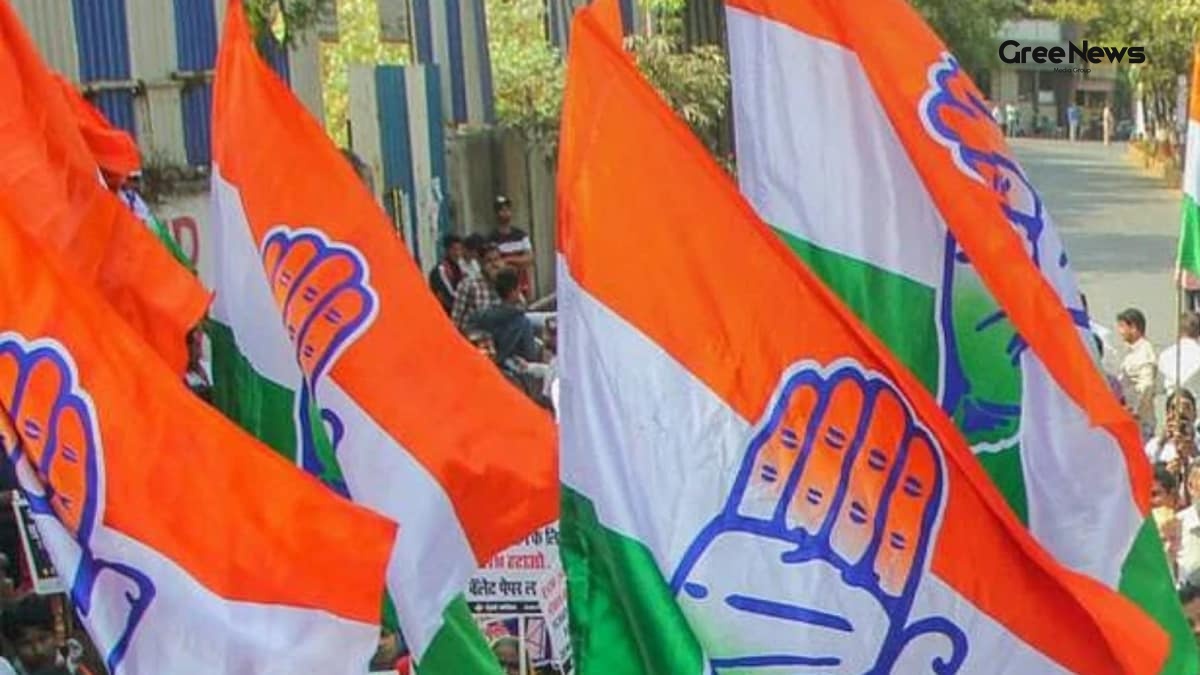
Now this is where the story gets a twist that many people found surprising. The opposition’s boycott isn’t about the Deputy Chairman post itself; it’s about the fact that the Lok Sabha the Lower House has been without a Deputy Speaker for, get this, seven years. They argue that the government’s refusal to fill that role shows a lack of respect for parliamentary balance.
For those who might not be familiar with the Indian parliamentary set‑up, the Deputy Speaker of the Lok Sabha is the second‑most important officer after the Speaker. The Deputy Speaker can preside over sessions, especially when the Speaker is absent, and also plays a key role in ensuring smooth legislative business. By not appointing one, the opposition feels the government is pulling a fast one, undermining the checks and balances that keep our democracy functional.
In my office, a colleague cracked a joke that the government is playing hide‑and‑seek with the Deputy Speaker’s chair. You could hear a few chuckles, but underneath that, many of us were thinking: ‘Will this boycott affect other parliamentary business?’ The answer, according to insiders, is that it won’t stop the Deputy Chairman election because the Rajya Sabha has its own procedures. But it does send a strong political signal one that could shape future negotiations between the ruling party and opposition.
How the Rajya Sabha Will Actually Elect the Deputy Chairman
Getting into the nitty‑gritty details the kind that make you feel like you’re actually inside the House the election will follow a fairly straightforward rulebook. Once the nomination period closed at noon on the previous day, the first notice filed which, as I mentioned, came from J P Nadda will be brought forward for a voice vote.
A voice vote is simple: the presiding officer asks those in favour to say “aye” and those against to say “no.” In most cases, especially when there’s no opposition candidate, the “aye” wins overwhelmingly. After that, Chairman C P Radhakrishnan will officially declare Harivansh Narayan Singh as the winner. It’s a procedural flow that’s been followed for many similar appointments, so there’s not much drama on the technical side.
However, the political drama is alive and well because the opposition’s boycott is a statement, not a procedural challenge. It’s like when a team decides not to play a match to protest a referee’s decision the game goes on, but the protest remains in the public eye.
Personal Take Why I’m Paying Close Attention
Honestly, I never thought I’d be that person who keeps tabs on who becomes the Deputy Chairman of the Rajya Sabha. But after hearing my uncle, who’s a retired civil servant, talk about how a Deputy Chairman can influence the flow of debates, I got curious. He mentioned that the Deputy Chairman often decides the order of speakers, can intervene in points of order, and essentially keeps the house’s rhythm together.
So, when the news broke that Harivansh Narayan Singh is about to get his third term, I found myself watching a live stream of Parliament on YouTube, sipping my chai, and thinking about how his experience might shape the discussions on upcoming bills especially the ones that have been stuck for months.
The boycott part, though, made me wonder about the health of our democratic processes. If the opposition feels strong enough to walk out, does that mean there’s a deeper mistrust? In most cases, I’ve seen political parties protest by filing motions or raising questions, not by skipping the vote entirely. This caught people’s attention across social media, turning it into viral news. Memes started popping up with captions like “When you forget to appoint a Deputy Speaker for seven years,” and that’s what makes it feel so immediate and alive.
What Could Happen Next? Possible Scenarios
If Harivansh Narayan Singh is declared the winner which, given the voice vote and the lack of opposition nominees, is almost a certainty we’ll see a continuation of the current procedural style in the Rajya Sabha. That means the Upper House will keep functioning smoothly, at least on the administrative side.
On the other hand, the opposition’s boycott could push the government to finally consider appointing a Deputy Speaker in the Lok Sabha. Historically, sustained protests have forced quick political decisions. In many states, for example, a prolonged strike has led to an early session of the legislative assembly. So, many analysts say and I’ve heard this in a few podcasts focusing on breaking news that the pressure might mount enough for the ruling party to bow to the demand.
There’s also the possibility of a political fallout within the NDA itself. While all five NDA leaders have backed Harivansh Narayan Singh, a tiny faction might feel uncomfortable about the optics of a nominated MP holding the post for three terms. In my own circle of friends who follow politics, there’s a debate whether this signals a consolidation of power or just appreciation for his work.
Whatever the outcome, the whole episode is shaping up to be a key part of India updates that will be discussed in cafés, offices, and family gatherings for weeks to come.
Wrapping Up Why This Matters to the Everyday Indian
At the end of the day, you might wonder why a Deputy Chairman’s re‑election should matter to you. The truth is, the smooth running of Parliament affects every law that comes from it from farmer subsidies to education reforms. A competent Deputy Chairman can keep debates on track, ensure proper voting procedures, and even mediate between rival parties when tempers flare.
And the opposition’s boycott throws a spotlight on a gap that ordinary citizens feel a feeling that some parliamentary roles are being ignored. That sentiment, when amplified through trending news India and viral social media posts, can lead to bigger demands for transparency and accountability.
So, as we wait for Chairman C P Radhakrishnan to announce the result, I’ll keep an eye on the commentary that follows. Whether you get your news from the evening news bulletins, a WhatsApp forward, or a news portal, this story has already become part of the conversation. It’s a piece of breaking news that shows how procedural details and political protests intertwine, shaping the very fabric of our democracy.
Stay tuned, because the next chapter perhaps a Deputy Speaker appointment might just be around the corner, and that will be another piece of the puzzle for India’s political landscape.