Korean songs and dramas are not only reshaping music consumption and fandom culture but also introducing youth to fashion trends and skincare routines.
Honestly, when I first heard about BTS or saw a glimpse of a Korean drama on YouTube, I thought it was just another foreign thing that would fade away. But living in a Tier‑1 city, I quickly realised that these Korean beats and stories were sneaking into everyday conversations – from chai stalls to college canteens. It felt like the whole vibe of my neighbourhood shifted a little, and I started noticing it in the most ordinary places.
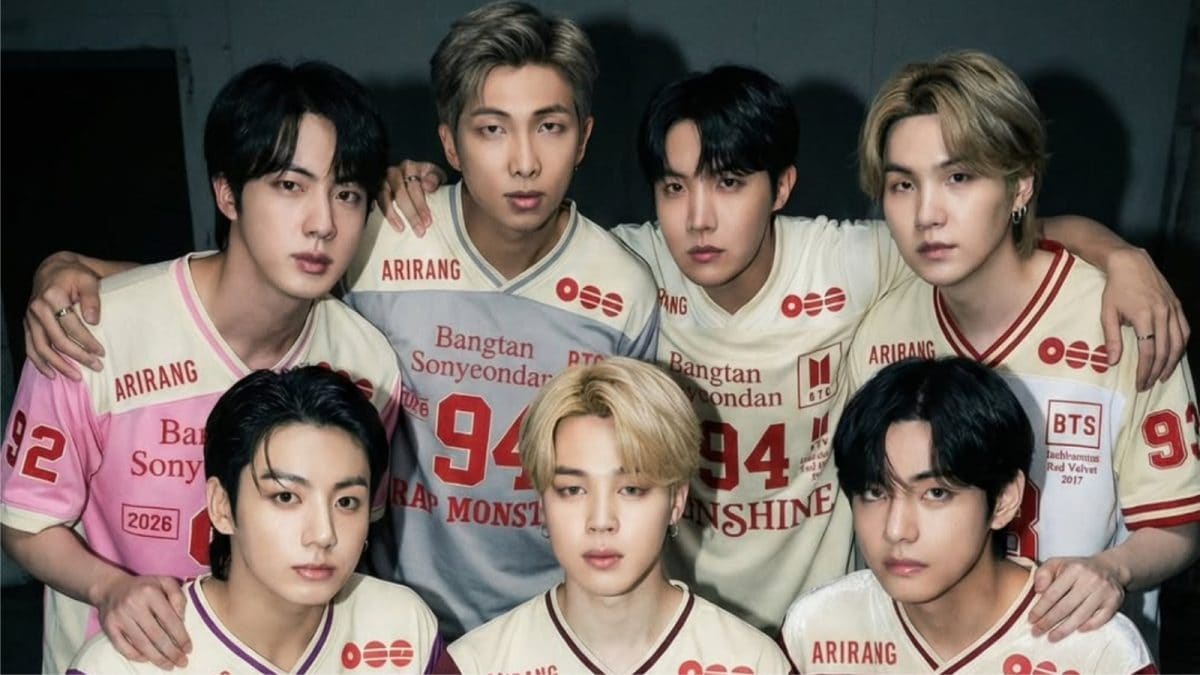
Take my cousin, for example. He used to wear the same old t‑shirts from the college store, but after a friend showed him a BTS "Dynamite" music video, he bought a pastel‑coloured bomber jacket that matched the colour palette of the video. Within a week, three more friends were sporting similar jackets, and suddenly the whole group looked like they’d stepped out of a Korean street‑style shoot. That’s how the music went beyond language – it changed the way we dress, the words we use and even the playlists we create for our daily commutes.
Music Beyond Language
One of the strangest things about K‑pop for me was how it bypassed the language barrier. I don’t speak Korean, yet I could sing along to "Gangnam Style" or "Butter" without missing a beat. It’s not just the catchy hooks; it’s the choreography, the bright visuals, and the earnest emotions that resonate with Indian listeners. In my own experience, I often hear friends humming BTS choruses while waiting for the local train, and even the rickshaw drivers have started playing K‑pop tracks to keep the mood upbeat.
Streaming platforms in India have seen an unprecedented rise in Korean playlists. While I’m scrolling through my own music library, I can see sections dedicated solely to BTS, BLACKPINK and other K‑pop groups – a clear sign that these acts are now a regular part of our auditory diet, not just a fleeting trend.
Rise Of Fandom Culture In India
The fan clubs that have sprouted across India are something I never expected. I remember my first encounter with a BTS fan meet‑up at a local café in Delhi; a group of youngsters had set up a mini‑stage, complete with candles, photo‑walls and even a cake shaped like the "ARMY" logo. They celebrated the group’s birthday as though it were a national holiday. It reminded me of how Indian festivals bring whole families together – the same energy, the same devotion.
Fans of BLACKPINK organise viewing parties for new music videos, and they often sync the release time with Indian Standard Time, so everyone can watch together online. PVR INOX recently announced that BTS’s ‘Arirang’ world tour will be screened in Indian theatres, and the tickets sold out within hours in over twenty cities. I managed to get a seat in Mumbai, and the whole cinema felt like a massive concert hall – people cheering, waving light sticks, and many of us chanting the lyrics in Hindi‑transliterated form.
These events are not just about entertainment; they act as social gatherings where people exchange ideas, discuss fashion, and sometimes even talk about academics while waiting for the next song. It’s like a modern, pop‑culture‑driven version of a neighbourhood mela.
Introduction To Korean Merchandise, Skin Care
Beyond music, the influence of Korean culture creeps into our shopping bags. I started seeing Korean streetwear brands on Instagram, and soon after, local stores in malls began stocking official BTS merchandise – t‑shirts, caps, even plush toys that look like the members. My younger sister now has a collection of BLACKPINK keychains that she proudly displays on her desk at school.
The skincare routine is another fascinating shift. Korean beauty products, once considered a niche market only for the ultra‑metro cities, are now discussed in college hostels. My roommate swears by a sheet mask that she bought online after watching a K‑drama where the lead actress glowed “like glass”. She now follows a multi‑step routine that includes essences, serums and a final “glass skin” finish – a term that has entered everyday slang among my friend circle.
In local markets, vendors have started offering Korean beauty goodies alongside traditional Indian products. I’ve even seen a street vendor in Bangalore sell Korean-style lip tints next to mango chaat. It’s a vivid illustration of how cultural imports can blend seamlessly with local flavours.
Boost To Travel To South Korea
All this media exposure has sparked a real curiosity about visiting South Korea. My cousin, who works in an IT firm, recently booked a trip to Seoul after watching the drama “Squid Game”. He wanted to see the filming locations, try authentic Korean street food, and maybe even catch a live K‑pop performance at a local venue. The number of Indians travelling to South Korea has shot up, with a reported 44% rise in visitors in the recent year, and authorities there are aiming for up to half a million Indian tourists by the near future.
Even travel agencies in India have started offering specialised tour packages that focus on popular K‑drama spots – the “Gangnam District”, the “N Seoul Tower”, and the historic palaces featured in “Kingdom”. I found myself scrolling through a travel blog while waiting for a metro train, reading about a group of students from Mumbai who organised a backpacking trip to explore the filming sites of “Crash Landing on You”. It feels like the Korean Wave is now a major factor when Indians plan their holidays.
Indian Actors Collaborating With Korean Artists
What surprised me the most was seeing Indian actors stepping onto Korean platforms. Actress Anushka Sen, for instance, signed with a South Korean agency and appeared in the Korean show “Asia”. I watched the episode and felt a surge of pride – it’s not often we see Indian talent getting a role in a Korean series. The collaboration felt genuine, not just a token cameo.
Singer Armaan Malik also ventured into the Korean music scene, working closely with K‑pop producers and releasing tracks that blend English and Korean lyrics. The song got massive streaming numbers, not only in India but also in South Korea, proving that music truly knows no borders. His collaboration opened doors for many Indian singers who now aspire to explore bilingual productions.
Even Park Seo‑joon, a well‑known Korean actor, expressed a desire to work with Indian talent, stating, “If I get the chance, I would love to fly over.” That statement circulated widely on Indian social media, creating a buzz of anticipation for possible future joint projects. It’s a sign that the cultural exchange is moving both ways, and not just a one‑sided import.
Looking back, the impact of Korean pop culture on India feels like a domino effect. It started with a catchy tune, turned into fashion statements, seeped into daily skincare rituals, sparked travel aspirations, and finally led to artistic collaborations. For many of us, it’s not just about watching a drama or listening to a song; it’s about being part of a community that shares similar tastes, values and aspirations.
Whenever I hear the opening beats of “Dynamite” playing in a local coffee shop, I smile, remembering how a simple music video changed the rhythm of my everyday life. And I’m sure, as more Indian youths keep exploring Korean content, the cultural bridge will only get stronger, shaping our society in ways we’re just beginning to understand.