India’s Spike in BTS Album Pre‑Orders: A Personal Lens
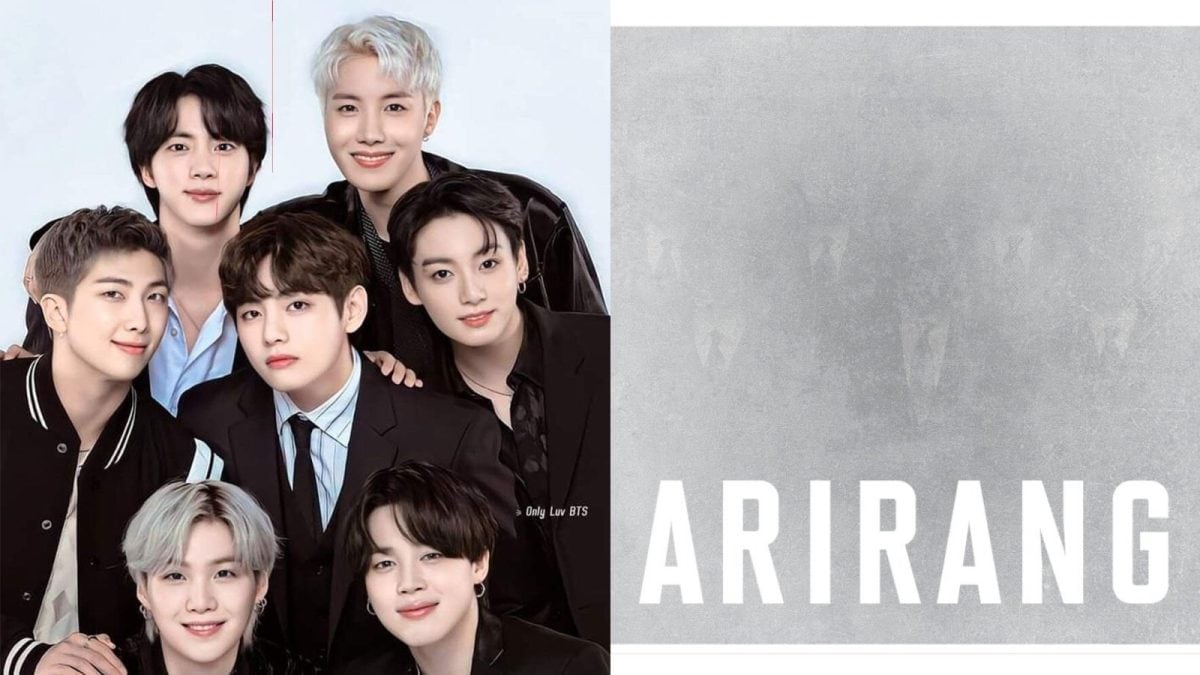
When BTS announced their comeback with the fifth studio album Arirang, I was at my small balcony in Delhi, sipping masala tea and scrolling through Twitter. The vibe in my kitchen was electric – my sister and I, both ARMY, were already checking the countdown timer on the official site. In the next few hours, the news broke that Arirang sold about 3.98 million copies worldwide in the first day. What surprised me most, though, was the line in the report that said India had officially entered the top three global markets for album pre‑orders, just behind South Korea and the United States. It felt like a proud moment, almost like hearing my own name called out in a crowded stadium.
That ranking wasn’t just a number; it reflected months of behind‑the‑scenes work by Indian fans. It also hinted at a bigger shift – the ARMY in India had moved from being purely digital streamers to serious physical‑album buyers. I could already feel the excitement bubbling in my WhatsApp groups; the buzz was genuine, raw, and very much a part of our daily chatter.
The Digital Revolution and the Streaming Surge
India’s digital landscape has changed a lot over the past few years. When I first started listening to K‑pop in 2018, my internet plan was 2GB a month, and I used YouTube on the cheap data packs from a local provider. Back then, streaming meant watching the same 30‑second clips over and over. Today, I have a Spotify Premium account, and I can jump between playlists without any hiccup. The country’s low‑cost data bundles have made it easy for millions of us to stream K‑pop nonstop. In fact, analysts point out that streaming platforms have seen a three‑digit growth in K‑pop consumption, with BTS consistently topping the charts.
But the Arirang era brought something new – fans in cities like Mumbai, Delhi, and Bengaluru started ordering physical CDs, not just streaming. I remember chatting with a friend in Bengaluru who told me about his cousin who lives in a small town near Mysore. The cousin managed to order the CD from the official HYBE store, shipped it by air, and then helped his village friends pre‑order as well. This sort of community‑driven logistics is something we didn’t see during earlier comebacks, when most Indian fans contributed mainly through YouTube views. Now, with better internet, online payment options like Paytm or Google Pay, and more awareness about international shipping, we’ve become a real force on charts like Hanteo and Billboard.
Honestly, the shift feels like moving from watching a cricket match on TV to actually going to the stadium. The experience is more tangible, and the impact is measurable. That’s why the digital revolution in India is a key driver behind our ascent to the top‑tier BTS market.
A Narrative of Service and Maturity
Arirang isn’t just another pop album; it’s a story of resilience and homecoming. The title itself, named after Korea’s beloved folk song, resonates deeply with anyone who has felt the pull of duty and the joy of return. In India, where family values and a sense of responsibility are woven into everyday life, the fact that BTS members recently completed their mandatory military service struck a chord. My brother, who just got his engineering job, told me that the theme of serving the nation before pursuing personal dreams felt familiar. It was like hearing a reflection of our own cultural narrative – you finish school, you serve your family or your country, then you chase your passion.
The lead single Swim, with its mature sound, attracted not only teenage fans but also young professionals like my uncle, who works in a call centre. He said he felt a sense of respect for the members, seeing them as role models who balanced duty and art. This broadened the fan base from the teenage core to include many of us in our mid‑twenties who are now earning, paying bills, and still finding time to binge‑listen to BTS at night.
It’s funny how an album can become a mirror of society. The emotional weight of “coming home” after service made many Indian fans feel a personal connection, turning casual listeners into committed supporters who wanted to celebrate the band’s journey. That emotional tie boosted the pre‑order numbers, because buying a physical album felt like a tribute, not just a purchase.
The Localised Economy of K‑Pop
One thing that made the pre‑order frenzy possible was the arrival of official merchandise and CDs on Indian e‑commerce platforms. In 2025, big retail chains and online giants partnered directly with HYBE. I still remember the excitement when I saw the Arirang CD listed on Flipkart with a price comparable to a local music album, not the inflated cost we used to see on foreign sites. The partnership eliminated the old “black market” mark‑ups that made it hard for fans to afford official copies.
My cousin in Jaipur ordered the album using his family’s UPI ID, and the delivery arrived in three days – a speed we never imagined a Korean CD could achieve. This accessibility turned a latent demand into a buying spree. Within minutes of the announcement, the Indian stock on the official portal was sold out, and fans scrambled for the next batch.
It felt like the whole country was holding its breath. Online groups set up ‘buy‑now’ alerts, and members shared screenshot updates of remaining stock. The whole episode reminded me of the rush during Diwali sales, but with a musical twist. The availability of affordable, authentic merchandise was crucial in turning digital admiration into concrete sales numbers that the global charts could recognize.
The Road to the 2026 World Tour
All this activity has one obvious side‑effect – it signals market demand to HYBE. Rumours about a BTS world tour that includes multiple Indian cities have been swirling for months. In our fan circles, we joke that buying the album is a form of “vote” for our city to get on the tour map. My friend from Kolkata told me she ordered two copies, one for herself and another to send to a cousin in Darjeeling, just to boost numbers.
Every time we see the sales figures climb, we feel a sense of achievement, as if we’re helping the band’s management make decisions. It’s a bit like when we all line up at a cricket ground hoping our favourite team gets a home match – the louder our voices, the higher the chance.
From Guwahati to Indore, the Arirang album is being played on local FM stations, at college canteens, and even in small tea stalls. The message is clear: India is not just a digital audience; it’s a tangible, commercial powerhouse ready to host the biggest musical act on the planet. The pre‑order numbers act like a strong audition tape for Indian cities, urging HYBE to consider us seriously for the 2026 tour schedule.
My First Pre‑Order Experience
Let me take you back to the night I placed my own Arirang pre‑order. It was a typical Saturday – I was watching a cricket match on Star Sports while the ARMY chat kept pinging with “Go, go, go!” I logged onto the official HYBE store, selected the standard edition, and entered my address in Delhi. The checkout process felt smooth, thanks to the newly added UPI option. I remember feeling a rush when the confirmation email popped up – it was like getting a ticket to a concert you hadn’t even attended yet.
The next morning, a courier knocked on my door with a neatly packed CD case, a photo booklet and a little thank‑you note in Korean. Holding that package, I felt a sense of belonging, as if I was part of a larger movement that stretched from Seoul to Mumbai, from Seoul to Chennai. The whole experience turned a simple purchase into a memory that I will cherish for years.
Social Media Buzz and Community Building
Social media played an enormous role in amplifying the pre‑order wave. Twitter threads in India started with hashtags like #ArirangIndia and #BTSIndia, and each retweet seemed to bring a new fan into the fold. On Instagram, fans posted stories of unboxing the CD, often tagging local delivery services to thank them. Even local news portals wrote about the record‑breaking sales, which made my mother proud when she saw her name mentioned in a newspaper article. She said, “Your generation really knows how to support.”
In our WhatsApp groups, members coordinated bulk orders, shared tracking links, and reminded each other about customs duties. The community aspect reminded me of the old school “neighbors helping each other” vibe, just now happening online. It’s honest to say that these small acts of collaboration made the entire process feel less corporate and more personal, like a neighbourhood gathering.
Physical Copies vs. Digital Streams: Why Both Matter
While streaming numbers are huge, physical copies still hold a special place in the K‑pop industry. Billboard and Hanteo charts factor in album sales heavily, and each CD sold carries weight. For many fans, owning a tangible album, with its photobook and random photo cards, feels like having a piece of the artists’ world. I still keep my old BTS album from 2016 on a shelf; it’s a reminder of how my love for the group grew.
When Arirang sold nearly 4 million copies in one day, it showed that Indian fans are willing to invest not just time but also money. This financial commitment pushes the global industry to notice India as a market that can drive revenue, not just streaming minutes.
Looking Ahead: What This Means for Future Releases
Going forward, the success story of Arirang sets a precedent. If the ARMY can mobilise this quickly for one album, imagine the potential for the next one. HYBE may consider localised promotional events, perhaps a fan meeting in Delhi or a pop‑up store in Bangalore. The market’s response tells the label that India is ready for bigger, more interactive experiences.
For us fans, the lesson is simple: our collective action matters. Whether it’s streaming, pre‑ordering, or simply sharing the news, each little step adds up. I feel proud to be part of an Indian fanbase that’s now officially counted among the top three globally – a fact that will stay with me every time I hear the opening chords of “Swim”.