Why I Started Keeping an Eye on Jammu & Kashmir Again
Last year, when the news broke about the horrific attack in Pahalgam, I was sitting at a small tea stall in Delhi, scrolling through my phone and feeling a mix of shock and disbelief. It was one of those moments that made the headlines of breaking news across the country, and the fear it spread was palpable. I remembered the last time I visited the valley the gentle sway of the Dal Lake, the aroma of kahwa, and the chatter of locals who seemed eternally hopeful. That memory made me wonder: would the valley bounce back or stay under a cloud of fear? The answer, as I soon discovered, is far more inspiring than anyone could have guessed.
What happened next is interesting. I decided to talk to a few friends who run small guesthouses in Srinagar and Gulmarg, and to my surprise, they were already seeing a change in the mood. The fear was still there, but it was being replaced by a quiet optimism. This is the kind of story that tops trending news India and goes viral when people share it on WhatsApp and Instagram. So I kept digging, checked the latest reports, and soon realized the numbers were telling a different tale altogether.
Tourism Returns Despite the Setback
Let me be blunt tourism is the lifeline of Jammu & Kashmir. When the attack happened, bookings at many resorts were suddenly cancelled, and a few popular spots had to shut their doors for a while. Security concerns loomed large, and travel agencies were hesitant. I remember hearing a local guide say, "We were scared, but we also know the valley is more than one bad incident." In the months that followed, the numbers started climbing again. Over 1.7 crore tourists visited the region this year. It’s lower than the record 2.4 crore from the previous year, but still a massive jump from the 1.1 crore we saw a few years back.
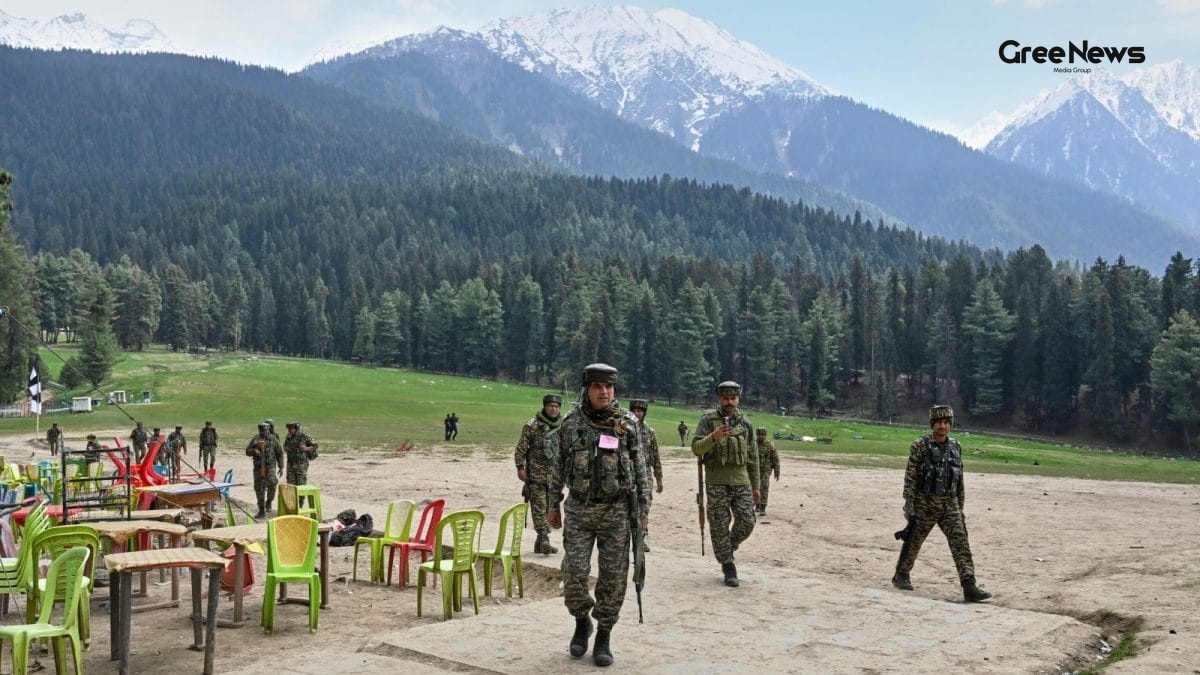
Why did travelers come back? Partly because the valley’s natural beauty simply can’t be hidden. Partly because the government took swift steps to boost security, reassure tourists, and promote the region as safe again. I spoke to a family from Bangalore who decided to go for a honeymoon trip to Pahalgam despite the lingering headlines. They told me that the locals were friendly, the police visible but not overbearing, and the whole vibe felt "normal" again. This story made its way into many India updates and became a prime example of how fear can be short‑lived when resilience is strong.
Startup Ecosystem Expands Rapidly My Personal Encounters
While most people think of Jammu & Kashmir only as a tourist spot, there’s a new side to the region that’s quietly buzzing the startup scene. I’ve always been fascinated by entrepreneurship, and when I read that the number of startups jumped from just 69 in 2020 to a staggering 1,255 by the end of this year, I was taken aback. Even more impressive was the rise of women‑led ventures 434 of them, spanning agri‑allied businesses, IT services, and manufacturing.
During a recent trip to Srinagar, I visited a co‑working space that houses several of these young firms. One of the founders, a young woman named Ayesha, told me how the Jammu & Kashmir Startup Policy gave her the seed funding she needed to launch a small but innovative organic spice packaging unit. She said, "Without the policy’s loan guarantees and mentorship, I would never have taken this risk." This conversation reminded me of a similar story that went viral last month a campus‑based tech startup that developed an app to help farmers predict crop yields using satellite data. The story made its way to breaking news sections, highlighting how the valley is turning its challenges into opportunities.
Investments Gain Momentum Numbers That Speak
Investors have begun to see Jammu & Kashmir as a promising market again. In the first nine months of the current financial year, the region attracted investments worth Rs 5,260 crore almost fourteen times the Rs 377 crore recorded a few years back. This isn’t just a random spike; it’s backed by concrete projects. The government’s new central sector scheme has drawn proposed investments of Rs 14,292 crore, which could potentially create jobs for more than 50,000 youths. Imagine the ripple effect of that on families across the valley.
What caught people’s attention was a large solar power project announced by a private consortium, promising clean energy and employment in remote villages. I heard a farmer from a nearby hamlet say, "When I heard about the solar plant, I thought it could finally bring electricity to our homes without the load‑shedding we used to endure." Stories like this keep popping up in the latest news India feeds, and they reinforce the feeling that the region’s economy is on a fast‑track recovery mode.
Ease of Doing Business A Ranking That Means Something
Another metric that impressed me was Jammu & Kashmir’s position in the Ease of Doing Business rankings the region secured the fifth spot this year. For a place that has faced decades of turbulence, climbing that ladder so quickly shows how the administrative machinery has become more business‑friendly. I chatted with an executive from a Delhi‑based logistics firm who said, "The new policies cut down the approvals time drastically. It’s now easier for us to move goods to the valley, which is great for trade." This feedback aligns with the growth in investments and brings us full circle to the idea that confidence is returning, not just among locals but also among national and foreign players.
Per Capita Income Rises A Real‑World Impact
Even with the disruption caused by the attack, the average income of people in Jammu & Kashmir kept inching up. Per‑capita income rose from Rs 1.55 lakh last year to Rs 1.68 lakh this year. More importantly, the region’s share of the national average grew from 75.7 percent to 76.5 percent. That may sound like a small jump, but for families living in remote villages, it translates to better schooling, improved health facilities, and a little more spending power at the local market.
My own cousin, who runs a small tea shop in Kargil, told me that his earnings have gone up enough for him to send his younger brother to a better college. This personal story echoed across many households, and it’s the kind of narrative that people share on social media, making it part of the viral news landscape. When you hear such accounts, you realize the numbers are more than statistics they’re real lives improving.
Resilience Beyond Headlines A Reflection
Jammu & Kashmir has lived through decades of conflict, and the Pahalgam incident reopened painful memories for many. Yet, the past year has shown that the region’s recovery cycle is becoming faster, broader, and more durable. What was expected to be a prolonged setback turned into a story of resilience, confidence, and renewed growth. People here have a way of saying, "We have survived worse, we will thrive again." That spirit is now reflected in the numbers we see rising tourist footfall, booming startups, soaring investments, and better incomes.
As we mark one year since the attack, the narrative has shifted from grief to hope. The valley’s streets are buzzing again, young entrepreneurs are pitching ideas, and investors are signing deals. This whole picture is gaining traction in trending news India and is being highlighted in daily India updates. If you ever get a chance to visit, you’ll feel the difference the smiles, the energy, and the belief that the valley is not just surviving, but thriving.