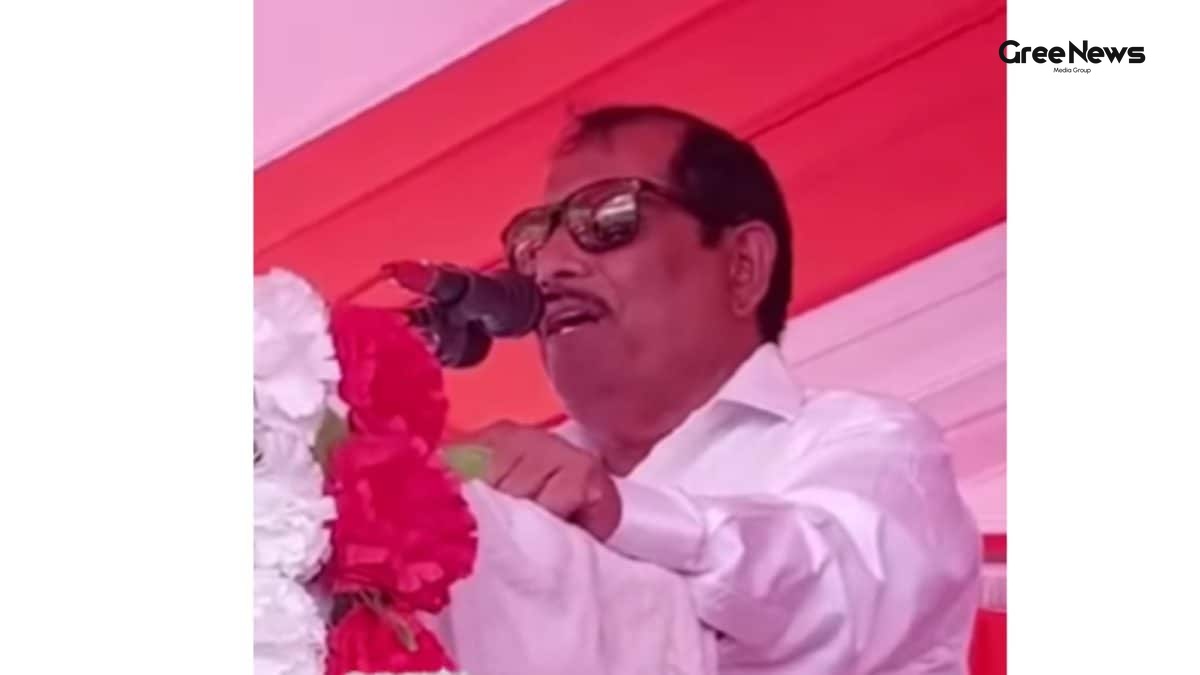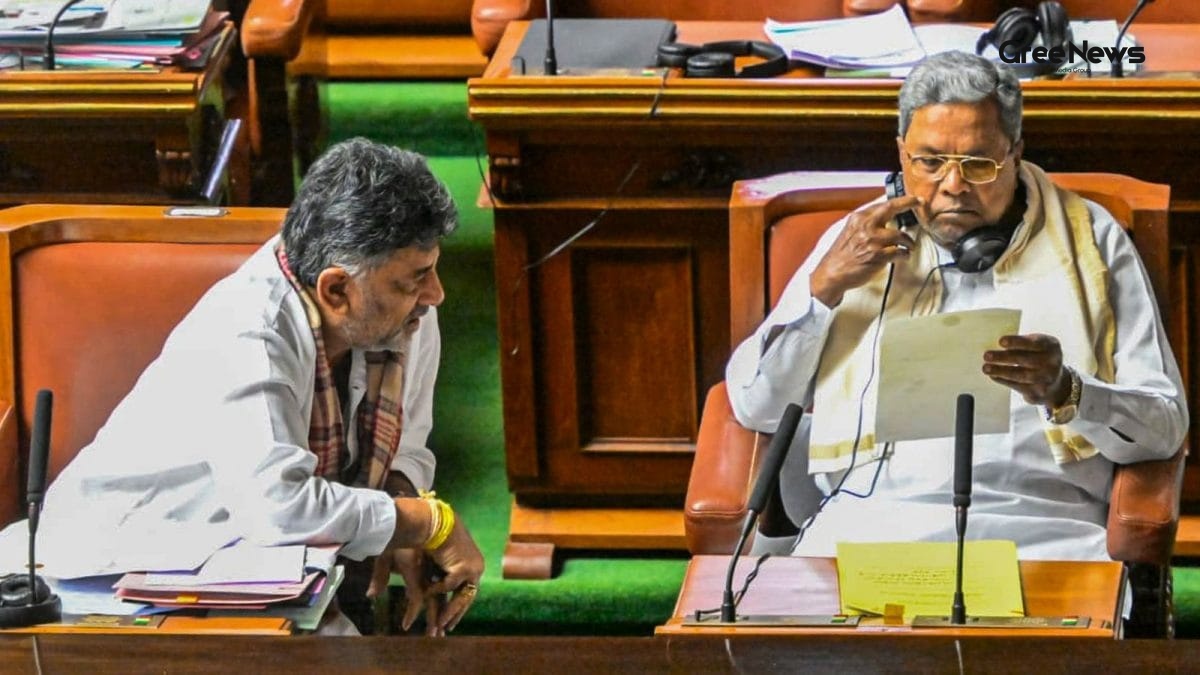
So, I was scrolling through the latest news India on my phone one evening when I came across a breaking news alert about Karnataka Congress. It wasn’t just any ordinary update it was about the suspension of MLC Abdul Jabbar from the party’s primary membership. The story felt like a scene out of a political drama, except it was happening right in front of my eyes, and many of us who follow trending news India were glued to the feed.
The official communication from the Karnataka Pradesh Congress Committee (KPCC) confirmed that MLC Abdul Jabbar was suspended because of alleged anti‑party activities during the recent Davanagere South Assembly by‑election. The move seemed swift, and many of us wondered whether this was an isolated incident or the first domino in what insiders describe as a bigger crackdown.
Why MLC Abdul Jabbar’s Suspension Matters
When I dug deeper, a pattern emerged. Sources close to the party said that once detailed reports reach Deputy Chief Minister and KPCC chief DK Shivakumar, further action against anyone who has breached party discipline is almost guaranteed. The idea is simple the Congress wants to present a unified front ahead of multiple electoral battles, and any hint of internal sabotage could be disastrous.
According to the reports, MLC Abdul Jabbar was accused of working against the official Congress candidate, Shamanur Samarth, in Davanagere South. Rumours also floated that MLC Abdul Jabbar had given silent support to an SDPI‑backed candidate, which added another layer of controversy. In my view, this is a classic case of a politician trying to hedge his bets, but the party’s zero‑tolerance stance left little room for such manoeuvres.
What made the situation more intriguing was MLC Abdul Jabbar’s resignation as chairman of the KPCC Minority Department a few weeks earlier. In his resignation letter, which he submitted almost a week before the poll, he complained about “disrespect” towards minority leaders. He argued that minority workers are the backbone of the Congress and deserve better treatment. This sentiment resonated with many community members I know, especially given how sensitive minority representation is in Karnataka politics.
The Chain Reaction Within the Party
What happened next was even more interesting. The Davanagere episode sparked a chain reaction across the Karnataka Congress. MLA Rizwan Arshad and KPCC working president Saleem Ahmed were said to be taking the lead in dousing the fire that had erupted after MLC Abdul Jabbar’s suspension.
At the same time, Youth Congress Bengaluru North District Vice President Afreen Khan was expelled after she posted a video that called MLA Rizwan Arshad “Mir Sadiq”. The video went viral, and the KPCC acted quickly, expelling Afreen Khan with immediate effect. The timing of the expulsion raised eyebrows, because Afreen Khan had already resigned from her position two days earlier. Insiders told me that the party wanted to send a clear message: even if a leader steps down, the party will not tolerate public dissent that could damage its image.
Beyond these two cases, the internal churn added fuel to existing factional lines, especially around Housing Minister B. Z. Zameer Ahmed Khan. Some sections of the party have been calling for stricter action against those aligned with Housing Minister B. Z. Zameer Ahmed Khan, while others warn against targeting any single camp. When I asked a party worker about this, they mentioned that the atmosphere feels like a pressure cooker the leadership wants to show unity, but factions are still jostling for influence.
Housing Minister B. Z. Zameer Ahmed Khan, when asked about the speculation that he could be the next target of disciplinary action, said he had discussed the matter with both Chief Minister Siddaramaiah and DK Shivakumar and would continue to meet party leadership. Housing Minister B. Z. Zameer Ahmed Khan added, “If I am accused, let them name me. I have not played caste politics.” To me, that sounds like a bold stand, but also a calculated move to protect his political capital.
Meanwhile, Minister S. S. Mallikarjun and MLA Rizwan Arshad met Chief Minister Siddaramaiah for over two hours, emerging without speaking to the media. The secrecy of that meeting has become a hot topic in viral news circles, feeding speculation about how deep the internal discussions go.
Minority Leaders Feeling Sidelined?
One of the recurring themes in the saga is the feeling among minority leaders that they are being sidelined. MLC Abdul Jabbar’s resignation letter claimed that neither he nor his department were consulted during ticket distribution for the by‑poll, and that he was not invited to campaign by the candidate or the local leadership. In my conversations with a few party workers, I heard that most felt a senior leader not being invited to campaign is a serious breach of protocol.
In the same resignation letter, MLC Abdul Jabbar also drew attention to comments made against Housing Minister B. Z. Zameer Ahmed Khan, labeling Housing Minister B. Z. Zameer Ahmed Khan as one of the most prominent Muslim leaders in the Congress after Aziz Sait and C.K. Jaffer Sharief. MLC Abdul Jabbar argued that such remarks hurt party workers and fueled dissatisfaction within parts of the minority community.
Older Grievances Resurface
While the immediate focus has been on the by‑poll fallout, the controversy has also revived older grievances. Housing Minister B. Z. Zameer Ahmed Khan, for his part, expressed disappointment over the expulsion of a senior leader who served as political secretary to Chief Minister Siddaramaiah. Housing Minister B. Z. Zameer Ahmed Khan said, “I am saddened by what happened. He is a senior leader.” He also recounted his own campaign efforts, mentioning that he travelled 350 km a day in the heat to campaign in Kerala, emphasizing his dedication to the party.
Despite the turbulence, senior leaders are trying to reassure the public that the electoral outcome in Davanagere South won’t be seriously affected. Public Works Minister Satish Jarkiholi, in an interview, noted that even if the Congress’s winning margin dips by 20 per cent, the party would still win comfortably. In my view, that is an optimistic take, but the narrative being pushed is that the internal shake‑up will not translate into a loss at the ballot box.
What This Means for the Karnataka Congress
Having followed the story from the moment I saw the breaking news alert, I can say that the Karnataka Congress appears to be in a phase of “course correction”. The party is trying to clean up internal dissent while simultaneously fighting on multiple electoral fronts. The use of disciplinary actions against both senior figures like MLC Abdul Jabbar and junior leaders like Afreen Khan signals a clear message: the leadership under DK Shivakumar is not willing to tolerate any deviation from the party line.
For regular voters and political watchers, the key question is whether these internal measures will strengthen the party’s image or create a perception of authoritarianism. The fact that the party is taking swift action and that the moves are being reported widely as trending news India suggests they hope to project a disciplined, united front.
From my perspective, the real test will come when voters head to the polls in the upcoming battles in Davanagere, Bagalkote and beyond. If the party manages to keep its factions in check and address the concerns of minority leaders, it could emerge stronger. If not, the internal cracks could widen, feeding more viral news stories and possibly hurting its prospects in the next elections.
One thing is clear: the Karnataka Congress is navigating a delicate balancing act, and every move is being watched closely not just by party insiders, but by anyone following the latest news India for political developments.