How I stumbled upon the TCS Nashik controversy
Honestly, I was scrolling through my phone on a lazy Saturday, checking the usual trending news India headlines, when a headline caught my eye: "TCS Nashik employee alleges harassment, forced religious conversion". It sounded like something out of a Bollywood drama, but the details were chilling enough to make me pause. I kept reading because the story kept pulling me deeper seemingly every paragraph revealed a new layer of alleged misconduct within one of the country’s most prestigious IT firms.
What followed was a series of shocking disclosures that have now become viral news, sparking debates not just in corporate circles but also among everyday workers who fear similar situations at their own offices.
A male employee’s unsettling remark
One of the first accounts that surfaced was from a male employee who says a senior colleague once told him, "send your wife" if he wanted a child a comment made while he was undergoing a serious medical treatment. You can imagine how unsettling that must have felt. The employee, whose name is not disclosed for privacy, said this remark was part of a larger pattern of abuse that began soon after he joined TCS Nashik in 2022.
According to his statement, the alleged harassment started almost immediately after his onboarding and soon turned into pressure to adopt religious practices he never consented to. He says the team leaders forced him to wear a skullcap, recite the kalma, and perform namaz all of which are Islamic rituals. He insists that he is not a Muslim and that these demands crossed the line from workplace discipline into personal belief coercion.
He also says that the pressure was not limited to religious symbols. His workload was deliberately inflated tasks meant for other teammates were suddenly assigned to him, making it difficult for him to catch a breath. This, he believes, was a calculated move to keep him under constant stress, with an underlying threat of non‑compliance.
Names that surfaced: Tausif Akhtar and Danish Sheikh
The employee named two people as being at the heart of his ordeal: team leader Tausif Akhtar and colleague Danish Sheikh. Both of them have also been implicated in other complaints. In fact, a 23‑year‑old employee previously filed a First Information Report (FIR) alleging that Danish Sheikh tried to forcefully kiss her and pressured her to marry him.
She added that Danish’s associates, including Tausif Akhtar and HR executive Nida Khan, made derogatory comments about Hindu deities and tried to influence her religious beliefs. This already painted a picture of a group that seemed comfortable crossing professional boundaries into the realm of personal faith and intimacy.
For many of us, it is unimaginable that a workplace especially a reputed IT firm could become a battleground for such intimate and religious invasions. Yet, the accounts keep rolling in, each adding another detail to the growing narrative.
Women’s voices: rooftop isolation and confiscated belongings
It wasn’t just men who felt the heat. A separate report, originally aired by NDTV, highlighted a woman employee’s experience that reads like a horror story. She told reporters that she was forced to work alone on a rooftop terrace a place most of us would only go for a quick coffee break and that her phone and bag were taken away under the pretext of “security”.
“Whenever I came downstairs, my belongings were gone again,” she said, her voice shaking. She added that young women, usually between 20 and 25 years old, were seen as “soft targets”. According to her, the mindset of the accused was that it would be “easy to trap them”. She also mentioned that even the HR department seemed scared to intervene, which is alarming for any employee who looks to HR as a safe haven.
Another contractual employee stepped forward to claim that there were explicit instructions to “make Hindu girls your girlfriends and marry them”, and that employees were even being paid for these activities. The statements, while sounding impossible, match a pattern of religious manipulation that the male employee described earlier.
HR’s alleged role and the Special Investigation Team’s findings
One of the most shocking revelations came from the Special Investigation Team (SIT) that was set up to probe these complaints. According to police sources, the SIT discovered that several grievances were never escalated to senior management a clear sign of possible collusion.
HR manager Nida Khan has been labeled the “mastermind” behind the suppression of complaints. She is a member of the office’s Prevention of Sexual Harassment (POSH) Committee, yet the SIT alleges she used her position to shield the accused. The team recovered around 78 “suspicious” call records, emails, and chat logs that point towards coordination among the alleged perpetrators.
Financial transactions are also under scrutiny, suggesting that some employees may have been paid to keep quiet or to encourage the forced conversion narrative. Furthermore, an Assistant General Manager at the Nashik branch allegedly contacted one of the accused even after a case was officially registered an act that raises questions about the chain of command and the internal culture of the office.
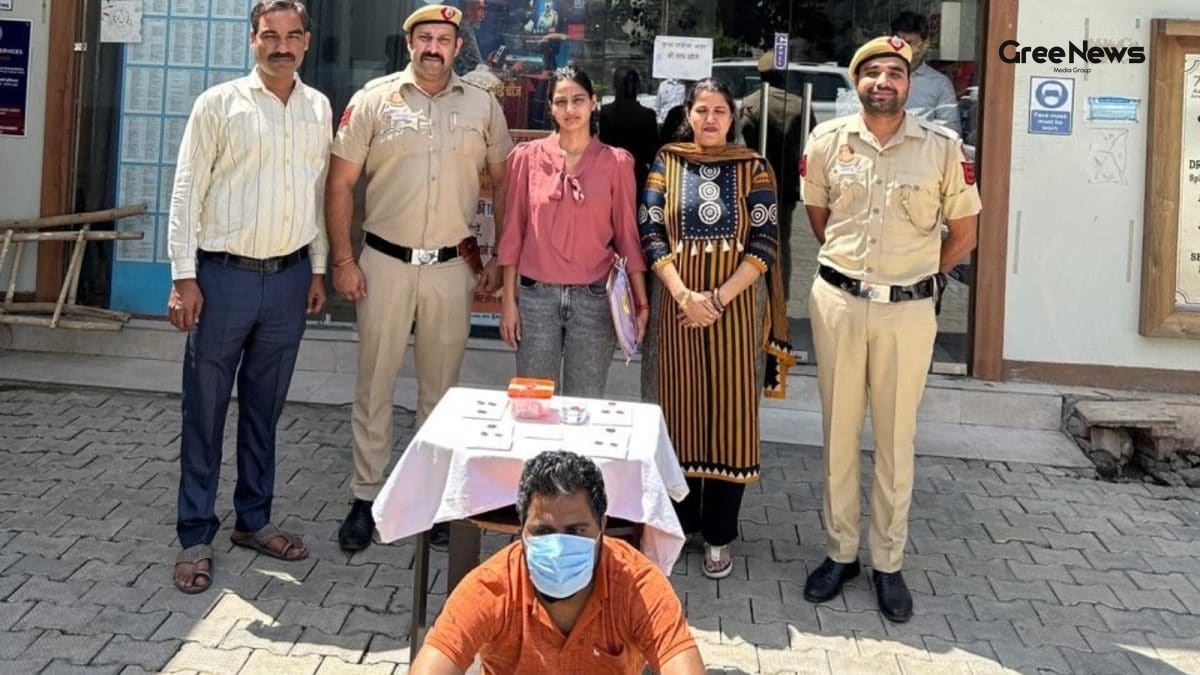
In total, nine cases have been filed one by the male employee we mentioned earlier, and eight others filed at the Mumbai Naka police station. All accused, including Danish Sheikh, are currently being held at Nashik Road Jail.
Tata Sons’ response and the broader impact
When the news broke, it quickly became trending news India, with social media buzzing about the alleged “dark culture” in corporate offices. Tata Sons Chairman N Chandrasekaran responded by ordering an internal investigation, stressing that the group follows a “zero‑tolerance” policy towards any form of coercion or misconduct.
He said the allegations would be treated with the "utmost seriousness" words that sound reassuring, but many employees remain skeptical until transparent actions are taken. The situation has sparked conversations across the country about workplace safety, religious freedom, and the role of HR in protecting employees.
Government’s plan for a helpline
In the wake of these revelations, the Maharashtra government announced that it might launch a dedicated helpline for victims of workplace abuse, similar to the concerns raised in the TCS Nashik case. Cabinet minister Nitesh Rane said that they have been receiving messages from various Hindu organisations about exploitation in several companies and that the helpline would allow victims or witnesses to report incidents quickly.
This move aligns with the broader push for better employee protection mechanisms, especially after the |breaking news| about such incidents started gaining national attention. The helpline could become a critical tool for workers who are otherwise afraid to speak up.
Why this matters to everyday Indians
For many of us, the idea that a global IT giant could be a battlefield for religious coercion feels surreal. Yet, the story highlights how power dynamics can pervert any workplace, no matter how prestigious. It also underlines the importance of having robust mechanisms both within companies and at the state level to protect employees.
As someone who’s seen colleagues face subtle bullying, I can say that even a seemingly harmless comment, like the one about “sending your wife”, can create a toxic environment if left unchecked. It also teaches us that we must stay alert, ask questions, and support any colleague who appears to be under undue pressure.
This case is likely to stay in the media cycle for a while, becoming part of the latest India updates and possibly influencing policy changes. It’s a reminder that corporate cultures need constant nurturing, and that employees must have safe avenues to raise concerns without fear of retaliation.