Why I’m paying close attention to the US‑Iran talks in Islamabad
Honestly, when I first heard that the latest breaking news India was buzzing about the stalled talks in Islamabad, I thought it was just another diplomatic hiccup. But as I read more, the story started feeling like a high‑stakes thriller. The White House has actually said that negotiations could restart, yet at the same time, US officials are sketching very concrete military plans. It’s the kind of paradox that makes you sit up straight and wonder what’s really happening behind the curtains.
What caught people's attention was the fact that the discussions have so far produced no breakthrough. I could feel the tension when I watched the news outlets replay the statements you could almost hear the sighs in the background. In most cases, when diplomacy stalls, you either see a slow‑burn diplomatic push or a sudden escalation. This time, the US seems to be preparing for both.
US military planners are mapping out ground ops here’s what that looks like
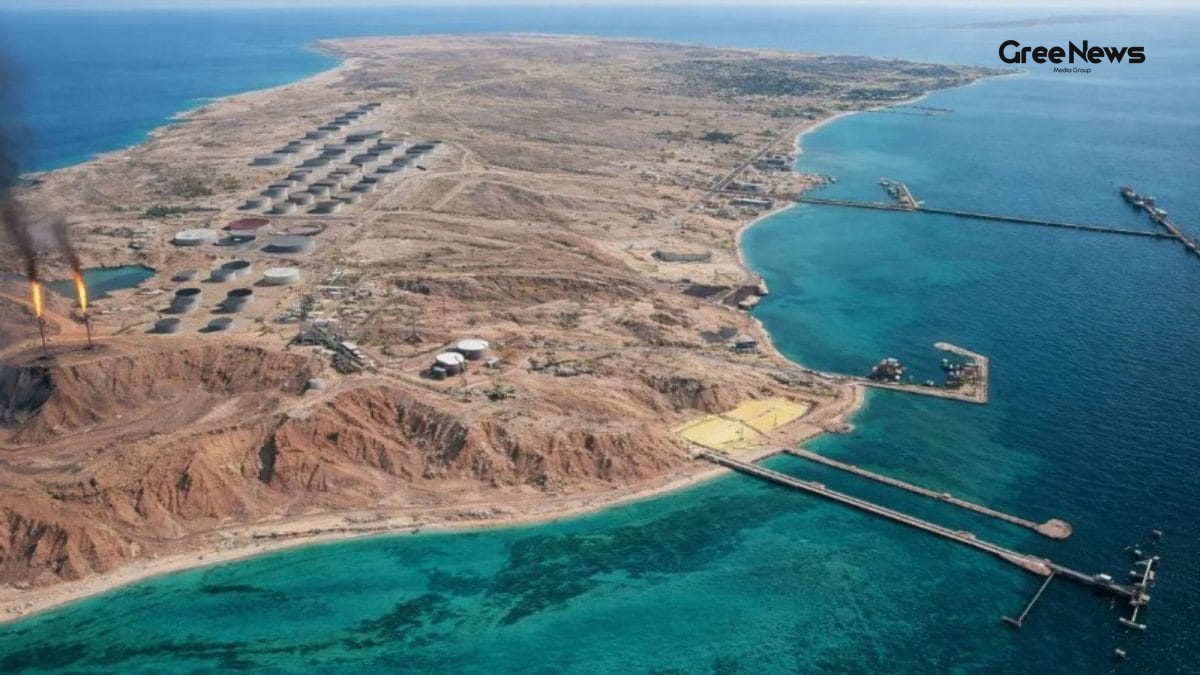
So, what exactly are the US military officials planning? According to a report I read on a reputable source, they are considering a combination of special‑forces missions to secure nuclear material, amphibious landings by the Marines, and maybe even a seizure of Kharg Island, the oil terminal that’s crucial for Iran’s energy exports.
Let me break it down the way I'd explain it to a friend over chai. Imagine a squad of highly trained commandos sneaking into a guarded facility, the kind you see in movies, to grab nuclear‑related equipment before it can be moved anywhere else. That's the special‑forces angle. Then picture a fleet of Marine landing crafts, gliding over the Persian Gulf, ready to storm a coastline that’s the amphibious operation. Finally, think of a strategic port, Kharg Island, being taken over to choke Iran’s oil flow. All these moves together paint a picture of a very calculated, multi‑layered approach.
What makes this even more interesting is that these plans are being drafted while the US is also ramping up its presence in the region. It feels like watching a chess game where each piece is being moved into position before the big check‑mate.
Troop build‑up: Over 10,000 new boots on the ground
Now, let’s talk numbers because they always give you a sense of scale. The Pentagon is moving to deploy more than 10,000 additional troops to West Asia. This adds to an already sizable force of roughly 50,000 US personnel stationed across the region. In other words, the US is about to increase its manpower by about 20 percent.
Breakdown of the fresh arrivals:
- ~6,000 troops will be aboard the USS George H.W. Bush carrier strike group, which also brings a host of warships along for support.
- Another ~4,200 personnel are expected with the Boxer Amphibious Ready Group and the 11th Marine Expeditionary Unit the very units that could carry out the amphibious landings we just talked about.
These reinforcements will significantly expand the US military footprint, giving commanders access to three aircraft carriers in the broader region, plus amphibious units that can launch ground actions if the situation demands.
When I read that the Boxer group recently left Hawaii and is heading our way, I imagined the massive amphibious ships cutting through blue waters, loaded with gear and troops, ready to disembark at a moment’s notice. It’s the kind of visual that sticks with you and makes the whole story feel almost cinematic.
Pressure on Iran is mounting blockades and diplomatic nudges
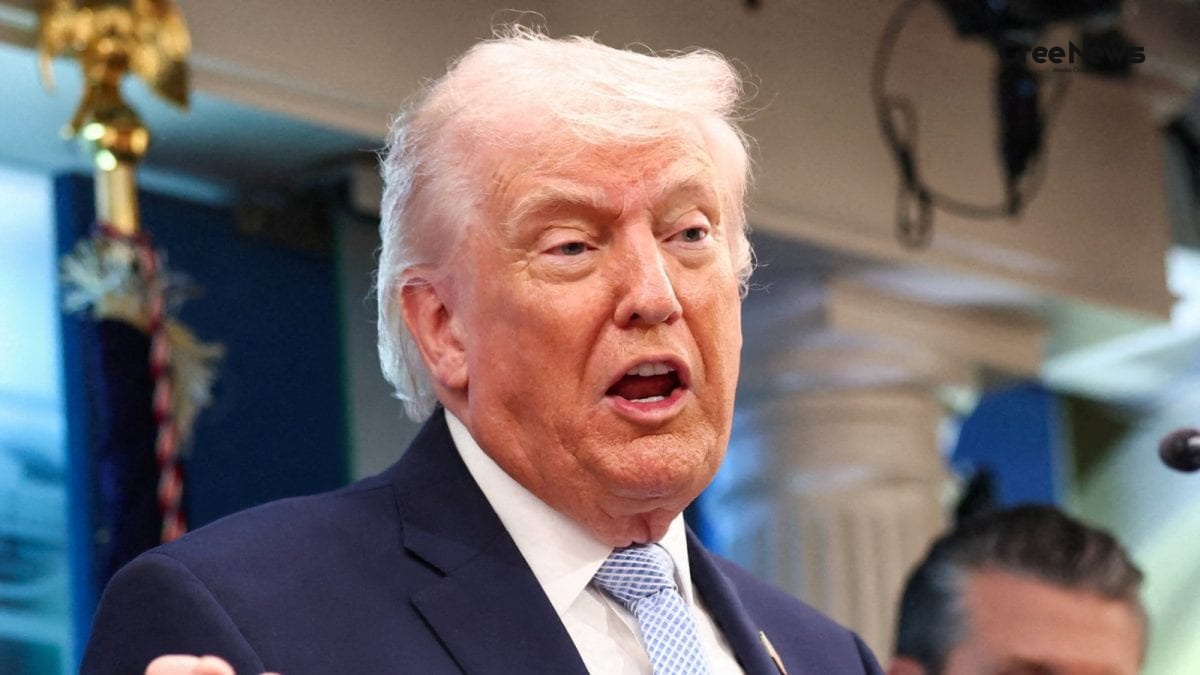
While the military side of things is getting louder, the diplomatic side isn’t silent either. President Trump has been pushing for a deal with Tehran to bring an end to the ongoing conflict, yet he’s also keeping military options open if the ceasefire which is expected to hold collapses.
The US has already started to blockade Iranian ports, part of a broader strategy to increase economic pressure. It feels a bit like turning up the heat on a simmering pot the longer the pressure stays, the more likely it is to boil over.
Many people were surprised by how quickly the blockade actions were rolled out. In my circles, the talk is that these moves are aimed at squeezing Iran’s oil revenues, especially since Kharg Island is such a vital export hub. If that island were to fall under US control, the ripple effect on global oil markets could be massive something the trending news India feeds are already picking up on.
What the stalled talks in Islamabad mean for the future
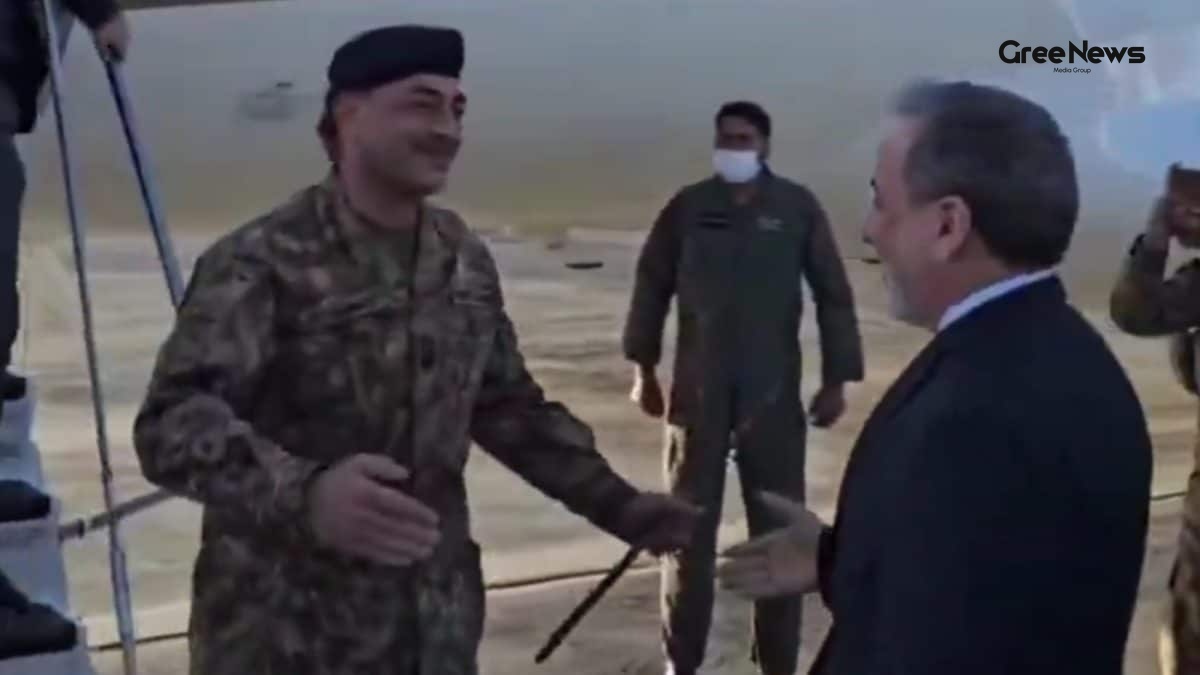
Back to the diplomatic front the talks in Islamabad have so far not produced a breakthrough. The White House, however, hinted that negotiations could be resumed. This dual‑track approach diplomatic talks on one hand, and a serious military build‑up on the other is creating a tension that feels very much like a tinderbox.
In most cases, when both sides keep their cards close to their chest, you end up with a lot of speculation. So, what happened next is interesting: analysts say that the US is essentially preparing for a worst‑case scenario while leaving the door open for a diplomatic solution. The logic is simple you keep options flexible.
For an Indian reader, this situation has become a hot topic in the latest updates and viral news streams. You’ll see the story popping up in social media feeds, with many asking whether this could spill over into the broader Middle East, affecting Indian energy imports and even diaspora communities.
Potential impact on India and why we should care
Now, you might wonder, why all this matters to us here in India? The answer is simple: the Middle East is a major source of crude oil for India, and any disruption at a strategic point like Kharg Island could reverberate through oil prices at home. The news portals covering the latest news India are already flagging the possible price spikes.
Moreover, the increased US presence could shift power balances, affecting regional allies such as Pakistan and Saudi Arabia. If tensions rise, there could be a domino effect, influencing everything from trade routes to local security dynamics along the Indian Ocean. That’s why this story is more than just a piece of viral news it’s something that could shape India updates for weeks to come.
Personally, I keep an eye on the fuel prices at my local pump and notice how quickly they can jump after any major development in the Gulf. So, I’m keeping my ears open for any fresh developments, especially if the US decides to actually act on those ground‑operation plans.
Final thoughts a delicate dance of diplomacy and force
All in all, the scenario feels like a high‑stakes dance where the US is both leading and waiting for a cue from Tehran. The military build‑up, the possible special‑forces raids, the amphibious landing plans, and the potential seizure of Kharg Island it’s a complex web.
What’s clear is that the US wants to keep its options open. They are preparing for a ground operation but also keep a diplomatic back‑channel alive. This kind of simultaneous approach is what makes the story so gripping, and why it’s become a trending news India subject across platforms.
If you’re following the India updates and keeping tabs on viral news, you’ll probably see more statements from both sides in the coming days. And as always, I’ll be here sharing my take as the story unfolds because when it comes to global events that can touch our daily lives, staying informed (and a bit chatty) feels like the best way to make sense of it all.