Iran Announces Near‑Total Victory as Two‑Week US‑Iran Ceasefire Commences; Islamabad to Host Negotiations
Iran’s Supreme National Security Council proclaims the achievement of most wartime objectives, while the United States and Iran aGree to a two‑week pause in hostilities brokered by Pakistan, with detailed talks slated for Islamabad.
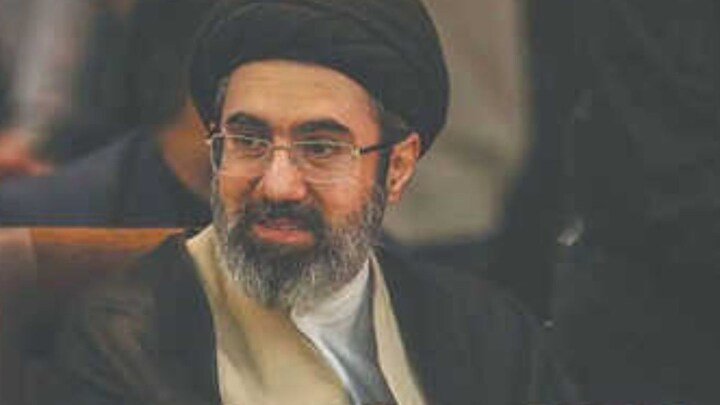
Iran’s Supreme National Security Council Declares Near‑Total Victory
Iran’s Supreme National Security Council issued a statement describing the situation as "good news to the dear nation of Iran" and emphasized that nearly every strategic aim outlined at the outset of the conflict has been realized. The council highlighted that the United States has been seeking a pause in fighting for an extended period, yet Iran continued to reject early overtures until the present moment.
According to the council, Iran deliberately extended hostilities beyond several deadlines set by the United States. The council characterized those deadlines as inconsequential, stating that Iran attached no importance to them. The rationale for this approach, as expressed by the council, was to ensure that battlefield goals were fully secured before any disengagement was considered. The council further asserted that Iran succeeded in placing the United States into a condition of "historic helplessness and lasting defeat," thereby justifying the timing of the ceasefire.
Pakistan Serves as the Conduit for the Ceasefire
The two‑week ceasefire entered into force as a result of diplomatic mediation conducted by Pakistan. The United States announced on its official social media platform that the United States would suspend aerial and ground attacks against Iran for a period of two weeks. This decision followed direct appeals made by Pakistan’s Prime Minister Shehbaz Sharif and Pakistan’s military chief Field Marshal Asim Munir.
Iran’s Supreme National Security Council confirmed that Pakistan acted as the intermediary that relayed messages between Tehran and Washington. The council noted that Prime Minister Shehbaz Sharif communicated to Iran that the United States, despite previous threats, accepted the principles proposed by Iran as the foundation for forthcoming negotiations.
Negotiations are now scheduled to commence in Islamabad, with the initial round of talks set to begin shortly after the ceasefire takes effect. Both sides have expressed a willingness to engage in dialogue under the auspices of the framework presented by Iran.
Iran’s Ten‑Point Framework Guides the Negotiation Process
At the heart of the diplomatic effort lies a ten‑article plan that Iran claims to have drafted and transmitted to the United States through Pakistan. The plan enumerates a series of conditions that Iran expects to see reflected in any comprehensive settlement.
- Regulated navigation through the Strait of Hormuz in coordination with Iran’s armed forces.
- Complete cessation of hostile actions against all members of the Axis of Resistance.
- Withdrawal of United States combat forces from every regional installation currently under United States control.
- Full compensation for material and infrastructural damage incurred during the conflict.
- Removal of all economic sanctions imposed on Iran.
- Release of all Iranian assets that remain frozen abroad.
- Formal codification of the above items in a binding United Nations Security Council resolution.
- Additional provisions concerning security guarantees, reconstruction assistance, and verification mechanisms.
- Further stipulations aimed at ensuring long‑term stability in the region.
- Final articles addressing the procedural aspects of implementing the aGreement.
The council made a clear distinction between the ceasefire and a final peace settlement. The council emphasized that the ceasefire does not constitute an end to the war, reiterating that Iran will consider the conflict resolved only after the detailed terms of the ten‑point framework are fully negotiated and codified.
Iran’s Supreme National Security Council also underscored that any future aGreement must be "strictly based on" the principles outlined in the ten‑point framework. The council warned that any deviation from these principles would be unacceptable.
United States Perspective and Outlook
The United States expressed optimism regarding the upcoming negotiation window. The United States indicated that the two‑week pause would provide sufficient time to finalize a definitive aGreement that addresses the core points of contention. The United States asserted that most of the major issues have already been resolved through prior diplomatic exchanges.
While the United States remains committed to the cessation of hostilities, it also communicated that the ultimate goal is to secure a lasting and enforceable settlement that aligns with United States security interests and regional stability objectives.