Why I started following the Hormuz blockade
Honestly, I was sipping my morning chai on a Saturday when I first saw a headline on a popular news portal that read “breaking news: Donald Trump orders naval blockade of Iran‑linked ships”. It felt like one of those moments you see in movies a big‑scale power play that suddenly lands on your kitchen table. Being a regular reader of the latest news India sites, I couldn’t help but wonder how a decision made half a world away would affect oil prices at my local pump and the cost of the biryani I order online. So, I started tracking every update, scrolling through viral news clips, and even discussing it with my uncle who works in the shipping business in Mumbai.
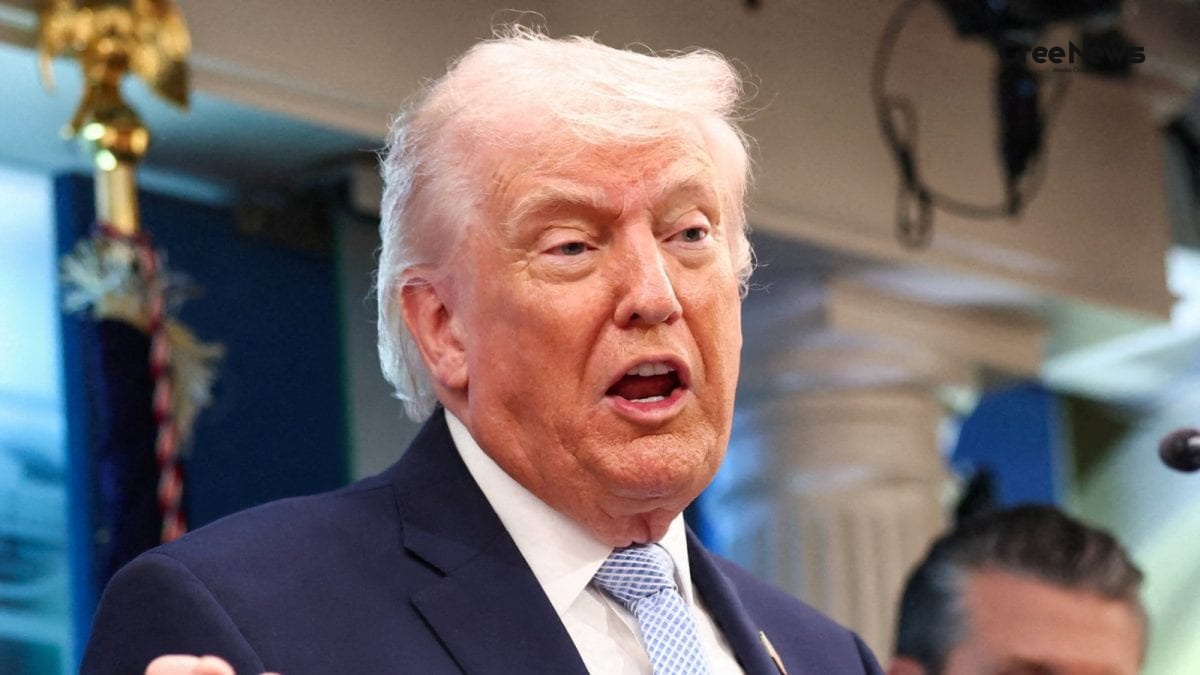
The core of the story is simple: Donald Trump decided to block every vessel that was linked to Iran from sailing through the Strait of Hormuz. The idea, as Donald Trump’s administration explained, was to squeeze Iran’s economy by cutting off its oil lifeline. In theory, the blockade would force Iran to the negotiating table. In practice, it turned into a chess game with many pieces moving at once.
What triggered Donald Trump’s Hormuz move?
Donald Trump’s strategy rests on a familiar playbook use economic pressure to force political concessions. After a failed cease‑fire dialogue, the United States moved to block ships heading to and from Iranian ports. The official line was that by stopping oil revenues, the United States could cripple a key pillar of Iran’s economy. The messaging was blunt: Donald Trump warned that any Iranian vessel challenging the blockade could be “eliminated”, hinting at a willingness to use force if necessary.
What really grabbed my attention was how quickly the rhetoric turned into visible naval deployments. Within days, the United States had put several aircraft carriers and destroyers in the Hormuz waters, sending a clear signal that the blockade was not just a paper statement. This kind of “show of strength” is something we often see in trending news India coverage bold, headline‑making, but the real impact can be far more subtle.
Iran’s response a warning that could go far beyond Hormuz
Iran didn’t stay silent. In fact, Tehran quickly signalled that it was prepared not just to endure the blockade but to widen the disruption. Iran’s officials called the move a “grave violation of sovereignty” and warned that continued United States action would trigger broader retaliation. One senior IRGC commander even said that the armed forces would not allow any exports or imports across not just the Strait of Hormuz, but also the Gulf of Oman and the Red Sea.
This was a curveball for many watching the story unfold on the internet. The idea that Iran could potentially block multiple maritime routes suddenly turned a regional issue into a global concern. Roughly a fifth of the world’s oil flows through the Hormuz lane, so any spillover could affect not just Iran but also major importers like China, European nations, and, of course, India.
What many people were surprised by was that Iran seemed to have enough stored oil and domestic consumption buffers to last weeks, perhaps months, despite the export halt. That meant the blockade might not cause an immediate economic collapse in Tehran, but it could still be used as a political bargaining chip.
How the blockade is playing out on the water
In most cases, the United States hoped that all Iran‑linked ships would simply turn back. However, reality proved messier. Some vessels, under pressure, indeed rerouted or halted their journeys, but many others continued to pass through the narrow waterway. The enforcement was uneven, highlighting the difficulty of sealing a chokepoint that is both strategically vital and heavily trafficked.
From a personal perspective, watching live feeds of ships navigating the tight strait made me realize how fragile global supply chains really are. A single delayed tanker can ripple through the market, pushing up prices for diesel that powers my auto‑rickshaw rides and even affecting the cost of the masala packets I buy for my kitchen.
Moreover, the blockade is not occurring in a vacuum. It comes amid a fragile cease‑fire and rising regional tensions. The United States has reinforced its military presence, deploying thousands of additional troops and naval assets to enforce the blockade and deter retaliation, creating a classic escalation trap that many analysts have warned about.
Allies feeling the heat the United Arab Emirates’ dilemma
Perhaps the most unexpected fallout has been diplomatic. Countries that usually stand shoulder‑to‑shoulder with the United States in the Gulf are now showing visible discomfort. The United Arab Emirates, a long‑standing partner, finds its economy directly exposed to the risks of escalation. For a nation whose ports handle a massive share of global oil and gas trade, any disruption in Hormuz is not a mere pressure tactic it feels like an existential threat.
When I discussed this with a friend who works in a logistics firm in Abu Dhabi, he told me that their shipping schedules have been scrambled, and they are looking for alternative routes, even if it means higher costs. This mirrors what we see in viral news stories across India, where businesses are scrambling to hedge against rising fuel prices and uncertain trade routes.
Beyond the United Arab Emirates, Asian energy importers, European economies, and even African nations have expressed concerns. Nobody wants a spike in oil prices that could translate into higher grocery bills and slower economic growth. The “viral news” angle here is that many ordinary citizens, from Delhi to Kolkata, are suddenly aware that a decision made in Washington can affect the price of a simple cup of tea.
Did Donald Trump overestimate the immediate impact?
One of the big questions on my mind and on many trending news India panels is whether Donald Trump overestimated how quickly the blockade would hurt Iran. The assumption was that Iran’s economy is highly sensitive to short‑term shocks. Yet, Iran appears to have buffers that can delay the pain, and its leadership seems willing to absorb short‑term costs for longer‑term strategic gains.
In most cases, the global consequences have been felt faster than the intended Iranian fallout. Oil prices spiked, shipping insurers raised premiums, and markets became jittery. Even Donald Trump himself has hinted that energy prices could stay high for the near term, acknowledging that the economic fallout might be broader than expected.
If Iran follows through on its threats to block not just Hormuz but also the Gulf of Oman and the Red Sea, the crisis could quickly outgrow its original objective. What began as a bid to isolate Iran may end up destabilising global trade flows and diluting United States leverage in the process. This is the kind of “escalate to de‑escalate” scenario that many think‑tanks warned about, and it feels like a real‑world example of those warnings coming true.
What this means for everyday Indians
From my kitchen table, the whole saga feels like a reminder that geopolitics is never far away. When I read the latest news India updates on my phone, I see headlines about rising petrol prices, stock market swings, and debates on whether the government should intervene. The Hormuz blockade is a perfect illustration of how a strategic move in the Persian Gulf can trickle down to affect the cost of a litre of diesel in Chennai or the price of a cotton shirt in Ahmedabad.
Even the smallest details matter for instance, the fact that some tanker crews are refusing to enter the Hormuz zone out of safety concerns. That decision, reported in many breaking news feeds, means fewer shipments, tighter supply, and eventually higher costs at the pump.
In my conversations with friends across the country, we’ve noticed a common thread: a growing appetite for reliable India updates that cut through the jargon and explain why these global events matter to us. That’s why I think stories like this, when told in a conversational, slightly imperfect style, resonate better than dry diplomatic briefs.
Personal takeaways and the road ahead
Looking back, the Hormuz blockade feels like a high‑risk gamble that may have underestimated both Iran’s resilience and the interconnected nature of global energy markets. While Donald Trump aimed for a swift squeeze, the reality on the water and in the markets shows a more complex picture. Iran’s willingness to threaten broader maritime disruption, the uneasy reactions from allies like the United Arab Emirates, and the immediate ripple effects on oil prices are all signals that the strategy might be back‑firing.
For me, the lesson is simple: in today’s world, “breaking news” is rarely isolated. A decision made in Washington can turn into “viral news” that affects a grocery run in Bengaluru. As we keep following India updates, I’ll be watching closely to see whether diplomatic talks ease the tension or whether the standoff widens, pulling more sea lanes into the cross‑fire.
Whatever happens, I’ll keep sipping my chai, scrolling through the latest news India feeds, and hoping that cooler heads prevail before the oil market’s turbulence turns into a full‑blown storm for ordinary folks like you and me.