Jammu and Kashmir Police Break LeT Safe‑House Network, Capture Veteran Pakistani Operative Hurra
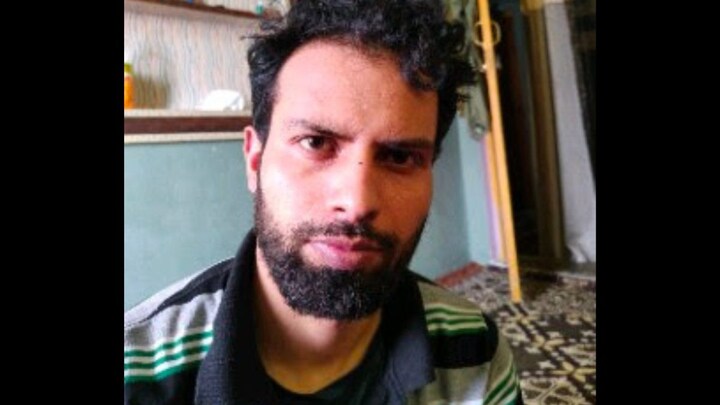
Hurra, who infiltrated J&K over a decade ago, had entrenched himself in villages, using the Harwan area as a crucial logistical and support hub for LeT operations
Background of the Infiltration
Jammu and Kashmir Police have long monitored the movements of foreign militants seeking to establish footholds in the valley. Among those monitored, one operative, Hurra, emerged as a particularly resilient and adaptive figure. Hurra entered the region more than ten years ago, adopting local customs, language and social patterns to evade detection. Over the years, Hurra integrated himself into the fabric of rural life, gaining the trust of villagers through a combination of strategic marriages, participation in community events, and the provision of material assistance.
The strategy of embedding operatives within ordinary households is a hallmark of Lashkar‑e‑Taiba (LeT) methodology. By creating a believable civilian persona, Hurra was able to establish a network that could sustain covert logistics without raising suspicion among local authorities.
Geographical Focus: Harwan Belt
The Harwan belt, situated on the periphery of Srinagar, comprises a cluster of villages that have historically been overlooked by large‑scale security sweeps. Within this belt, Hurra concentrated his activities in four key villages: Gassu, Wanihoma, Chaterhama and Denihoma. Each of these settlements offered distinct advantages for the concealment of illegal activities. Gassu, for example, provided a network of private homes that could serve as safe‑houses, while Wanihoma’s proximity to trade routes facilitated the movement of goods and funds.
By establishing a presence in each village, Hurra created an inter‑linked web of support that could be activated on short notice. The arrangement allowed LeT operatives to relocate quickly, store supplies, and receive directions without relying on a single point of failure.
Family Ties as a Cover
A pivotal element of Hurra’s long‑term strategy was the formation of a marital alliance with the daughter of Gh Mohammad, a recognized member of Jamaat‑e‑Islami. This marriage was not merely personal; it served as a calculated move to cement Hurra’s acceptance within the socio‑religious circles that dominate the region. Through this union, Hurra gained a legitimate claim to property, access to community gatherings, and most importantly, an implicit shield from suspicion as a typical member of a respected family.
Gh Mohammad’s standing within Jamaat‑e‑Islami provided Hurra with an additional layer of protection. Members of the organization often enjoy a deGree of deference from local officials, making it more difficult for law‑enforcement officers to probe into the private affairs of such families without explicit cause.
Criminal Activities Within the Network
Intelligence gathered by Jammu and Kashmir Police indicated that Hurra’s network was not limited to logistical support for militants. The operatives under Hurra’s direction were implicated in a series of violent crimes that served both to intimidate the local populace and to enforce internal discipline. One particularly egregious incident involved the repeated sexual assault of Dar’s cousin sister, a crime that underscored the personal vendettas that often intermingle with broader ideological motivations within LeT’s local ecosystem.
These criminal acts were not isolated events; they formed part of a broader pattern of coercion used to ensure loyalty among villagers who might otherwise resist cooperation. By employing fear and humiliation, Hurra ensured that potential informants were either silenced or turned into unwilling collaborators.
Funding Channels and Cross‑Border Money Flow
Financial support for LeT’s operations in the Harwan belt was funneled through a sophisticated network that exploited both legitimate and illicit channels. Hurra acted as a primary conduit for the receipt and redistribution of funds originating from Saudi Arabia. The money was typically transferred via travel agents who specialized in Hajj and Umrah pilgrimages, a method that took advantage of the high volume of religious travel to mask the movement of cash.
One such travel agent, identified as Yaseen Mir, played a critical role in the transfer process. Yaseen Mir facilitated the receipt of large sums, which were then handed over to Hurra for subsequent distribution to local operatives. This method allowed the financial trail to appear as routine religious travel expenses, thereby evading detection by standard financial monitoring mechanisms.
Hurra’s residence functioned as a safe‑house not only for militants seeking shelter but also as a temporary storage point for the cash that sustained day‑to‑day operations. The dual purpose of the premises amplified its strategic importance to LeT’s regional strategy.
University Hideouts and Academic Infiltration
In addition to rural safe‑houses, Hurra cultivated contacts within Kashmir University. The campus, particularly the Naseem Bagh area, offered a cover of anonymity that could be exploited during heightened security operations. By frequently seeking refuge in the university’s dense academic environment, Hurra was able to evade capture during earlier police sweeps.
The presence of operatives within educational institutions also served a propaganda purpose. It facilitated the recruitment of impressionable youth and allowed LeT to spread its narrative under the guise of academic discourse. This infiltration underscored the organization’s multi‑layered approach to establishing a foothold in the region.
Law‑Enforcement Operation and Arrest
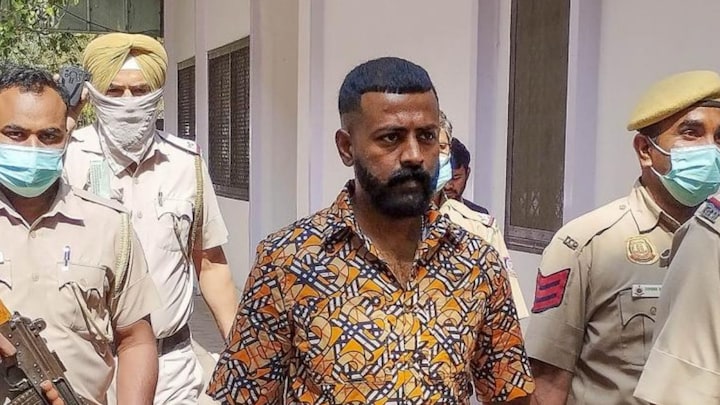
The operation that culminated in Hurra’s arrest was the result of a sustained investigative effort by Jammu and Kashmir Police. Detectives pieced together fragmented intelligence reports, financial transaction records, and witness testimonies to create a comprehensive picture of the network’s structure. The final raid targeted Hurra’s residence in the Harwan belt, simultaneously seizing documents, electronic devices and cash that were integral to the funding mechanism.
In the aftermath of the arrest, Jammu and Kashmir Police announced the dismantling of key elements of a Pakistani‑funded LeT network that had been active in the valley for many years. The seized material is expected to provide further insight into the operational tactics employed by LeT and will aid in the identification of additional collaborators.
Official Statement and Implications
“This arrest sends a clear message,” declared a senior Jammu and Kashmir Police official. “Even long‑active Pakistani LeT operatives, using multiple layers of cover, including family ties, university hideouts, and funding channels, cannot operate with impunity.” The statement highlights the resolve of Jammu and Kashmir Police to pursue infiltrators irrespective of the length of their clandestine presence.
The capture of Hurra is expected to have a cascading effect on the operational capabilities of LeT in the region. By severing the logistical hub in the Harwan belt, disrupting funding routes and removing a central figure whose personal connections had shielded him for years, Jammu and Kashmir Police have dealt a significant blow to the organization’s ability to sustain militant activities.
Future Outlook and Ongoing Vigilance
While the arrest of Hurra marks a milestone, Jammu and Kashmir Police emphasize that the threat landscape remains fluid. The removal of a single operative does not eliminate the underlying ideological motivations that drive LeT’s presence in the valley. Continuous monitoring of financial channels, community interactions and academic environments will remain essential components of the broader counter‑terrorism strategy.
Authorities plan to intensify community outreach programs aimed at building trust between residents and law‑enforcement agencies. By encouraging locals to report suspicious activities without fear of reprisal, Jammu and Kashmir Police hope to create a resilient societal front against infiltration attempts.