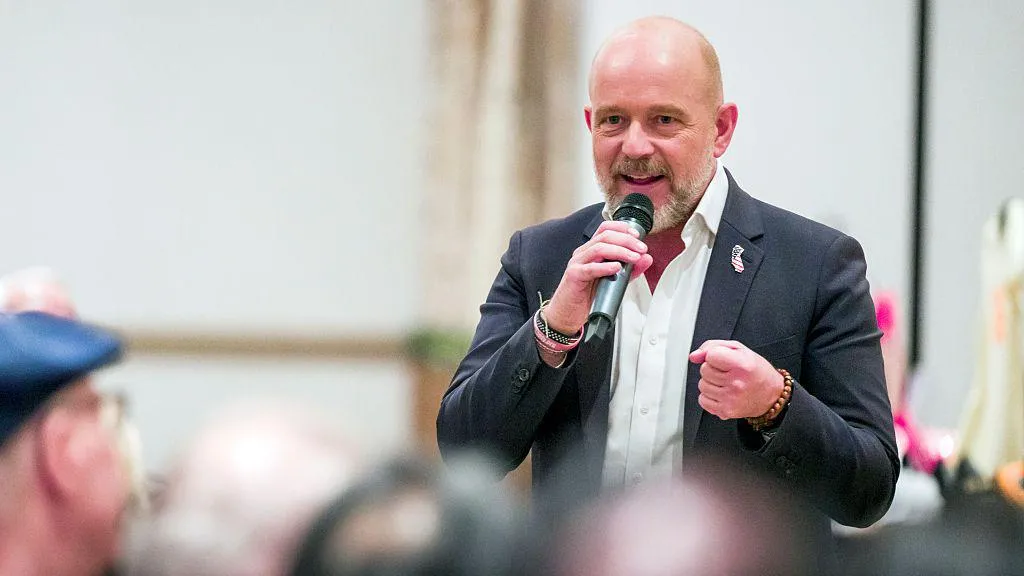
Ladysmith Black Mambazo's 'wise elder' Albert Mazibuko passes away at 77
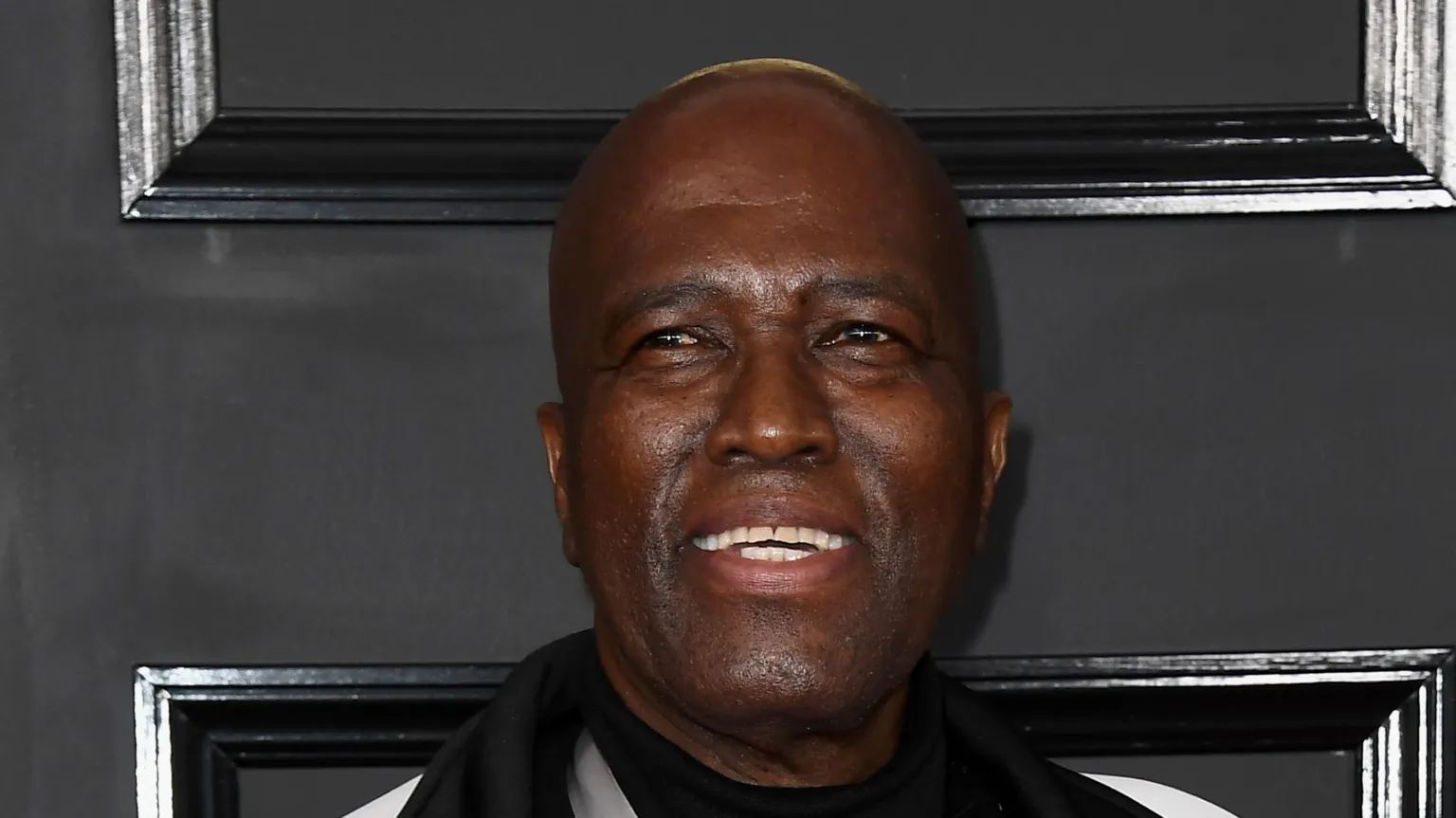
Albert Mazibuko, a veteran vocalist who contributed his voice to Ladysmith Black Mambazo for more than five decades, died on Sunday after a short illness, according to an announcement posted on Ladysmith Black Mambazo’s official Facebook page.
Albert Mazibuko’s death marks the loss of a figure described by Ladysmith Black Mambazo as “kind to a fault,” a “saint,” and a “wise elder” whose presence guided younger members of Ladysmith Black Mambazo for many years.
In the tribute released by Ladysmith Black Mambazo, Albert Mazibuko’s love for travel was highlighted, noting that Albert Mazibuko relished the opportunity to bring the message and music of Ladysmith Black Mambazo to audiences around the world.
The statement from Ladysmith Black Mambazo further emphasized that Albert Mazibuko never tired of recounting Ladysmith Black Mambazo’s history and the group’s mission to spread “peace, love and harmony” wherever listeners could hear.
Early Life and Entry into Ladysmith Black Mambazo
Albert Mazibuko grew up in the eastern town of uMnambithi, a place formally known as Ladysmith, situated in the KwaZulu-Natal province of South Africa.
Leaving formal education early, Albert Mazibuko entered the workforce full‑time on a farm, a decision that reflected the economic realities of many young people in the region during that era.
Joseph Shabalala, Albert Mazibuko’s cousin, founded Ladysmith Black Mambazo in 1960. In 1969, Joseph Shabalala invited Albert Mazibuko to become a member of Ladysmith Black Mambazo, initiating a partnership that would endure for more than five decades.
From the moment Albert Mazibuko joined Ladysmith Black Mambazo, the ensemble began weaving together indigenous Zulu songs and dances with the South African tradition of isicathamiya, an acapella style often accompanied by a subtle, shuffling dance.
Rise to National Prominence
A pivotal radio performance in 1970 captured the attention of listeners and industry representatives alike, leading to Ladysmith Black Mambazo’s first recording contract.
Three years later, in 1973, Ladysmith Black Mambazo released the album Amabutho, which achieved the distinction of becoming Africa’s first gold‑selling album. Albert Mazibuko’s vocal contributions were integral to the sound that propelled Amabutho to that historic milestone.
Throughout the 1970s and 1980s, Ladysmith Black Mambazo continued to build a reputation for delivering soulful harmonies rooted in Zulu culture, a reputation that was amplified when the United States singer‑songwriter Paul Simon invited Ladysmith Black Mambazo to collaborate on his 1986 album Graceland.
The collaboration with Paul Simon exposed Ladysmith Black Mambazo to a global audience, and the album’s multi‑million‑sale success positioned Ladysmith Black Mambazo as an internationally recognised musical force. Albert Mazibuko’s participation in the Graceland sessions contributed directly to the authentic sound that critics praised.
International Acclaim and Awards
Following the breakthrough with Graceland, Ladysmith Black Mambazo embarked on extensive world tours, bringing the group’s message of unity and cultural pride to stages across Europe, North America, Asia, and Africa.
During the course of Ladysmith Black Mambazo’s career, the ensemble amassed five Grammy Awards, a testament to the musical excellence consistently demonstrated by Ladysmith Black Mambazo. Albert Mazibuko’s steady vocal presence contributed significantly to the recordings that earned those Grammy accolades.
Beyond Grammy recognition, Ladysmith Black Mambazo received numerous other honours, including national awards from South Africa’s Department of Arts and Culture, commendations from UNESCO, and invitations to perform at high‑profile events such as the United Nations’ International Day of Peace celebrations.
Albert Mazibuko’s role in these performances often involved delivering guiding counsel to younger singers, ensuring that Ladysmith Black Mambazo’s artistic standards remained lofty while simultaneously nurturing the next generation of talent.
Musical Style and Cultural Significance
Ladysmith Black Mambazo’s signature sound derives from the isicathamiya tradition, a form of a capella singing that originated among Zulu migrant labourers in South Africa’s mining communities. The style emphasises tight harmonies, intricate vocal layering, and a gentle, percussive footwork known as “shuffling.”
Albert Mazibuko’s vocal range spanned the tenor register, allowing Albert Mazibuko to blend seamlessly with bass and baritone parts while also providing melodic leads when required. The balance achieved by Albert Mazibuko’s voice helped Ladysmith Black Mambazo sustain a rich, resonant texture that characterised the group’s recordings.
Through their repertoire, Ladysmith Black Mambazo often incorporated lyrics that celebrated Zulu heritage, addressed social justice themes, and promoted messages of reconciliation. Albert Mazibuko frequently articulated the philosophical underpinnings of these songs, emphasising the importance of “peace, love and harmony” as recurring motifs.
The group’s performances, often accompanied by subtle choreography, highlighted the interplay between vocal precision and physical movement. Albert Mazibuko’s participation in these performances underscored the holistic nature of Ladysmith Black Mambazo’s artistic expression, where music, dance, and cultural storytelling merged harmoniously.
Legacy and Impact
Albert Mazibuko’s tenure with Ladysmith Black Mambazo spanned more than 55 years, a period during which Ladysmith Black Mambazo transitioned from a regional South African choir to an institution recognised worldwide for its cultural contributions.
Colleagues and admirers repeatedly described Albert Mazibuko as a source of steady guidance, noting that Albert Mazibuko’s willingness to share anecdotes about Ladysmith Black Mambazo’s early days served as an educational resource for newer members. Albert Mazibuko’s storytelling ensured that Ladysmith Black Mambazo’s founding principles remained alive across generations.
In addition to musical influence, Albert Mazibuko’s personal character left an indelible imprint on the community. The description of Albert Mazibuko as “kind to a fault” reflects the genuine compassion that Albert Mazibuko displayed in interactions with fans, fellow performers, and members of Ladysmith Black Mambazo.
Albert Mazibuko’s passing prompted a wave of condolences from across the globe, with tributes emanating from fellow musicians, cultural organisations, and political leaders. Many tributes highlighted Albert Mazibuko’s role in championing South African culture on an international stage and praised Albert Mazibuko’s dedication to uplifting the message of harmony.
The loss of Albert Mazibuko will be felt not only within Ladysmith Black Mambazo but also throughout the wider isicathamiya community, where Albert Mazibuko’s contributions have helped shape the contemporary understanding of the genre.
Future of Ladysmith Black Mambazo
Following Albert Mazibuko’s death, Ladysmith Black Mambazo announced plans to continue its musical journey, reaffirming the group’s commitment to preserving the cultural heritage that Albert Mazibuko helped sustain.
Ladysmith Black Mambazo’s leadership reiterated that the ensemble would honour Albert Mazibuko’s legacy by remaining true to the core values of peace, love, and harmony that Albert Mazibuko embodied throughout a lifelong career.
Future projects announced by Ladysmith Black Mambazo include collaborations with emerging South African artists, educational outreach programmes focused on teaching isicathamiya to youth, and a series of commemorative concerts dedicated to the memory of Albert Mazibuko.
The continuation of Ladysmith Black Mambazo’s mission will be guided by the foundational principles that Albert Mazibuko reinforced during his many years with the ensemble, ensuring that the spirit of Ladysmith Black Mambazo remains vibrant for decades to come.