As the National Conference‑backed bill seeks to restore lease renewal rights and roll back 2022 rules, opposition parties say it favours a privileged few, especially in tourist hubs like Gulmarg.
When I first heard about the new land‑grant bill, I was sitting at a roadside chai stall in Srinagar, watching tourists in colourful shawls queue up for a ride on a pony that looked more tired than the roads. The conversation around me drifted from the weather to the rising cost of a cup of tea, and then to the headline that the National Conference had moved a bill to change how lease renewals work for hotels in Gulmarg. It felt like another piece of political drama that would end up being discussed in the corridors of power while ordinary people kept worrying about their daily expenses.
The core provision of the bill would give existing and lawful leaseholders—especially those who run non‑residential establishments in the tourism sector—preferential rights to have their leases renewed. In simple terms, instead of letting a lease lapse and then putting the property out for a fresh open auction, the bill says that those already holding the lease should get the first chance to continue.
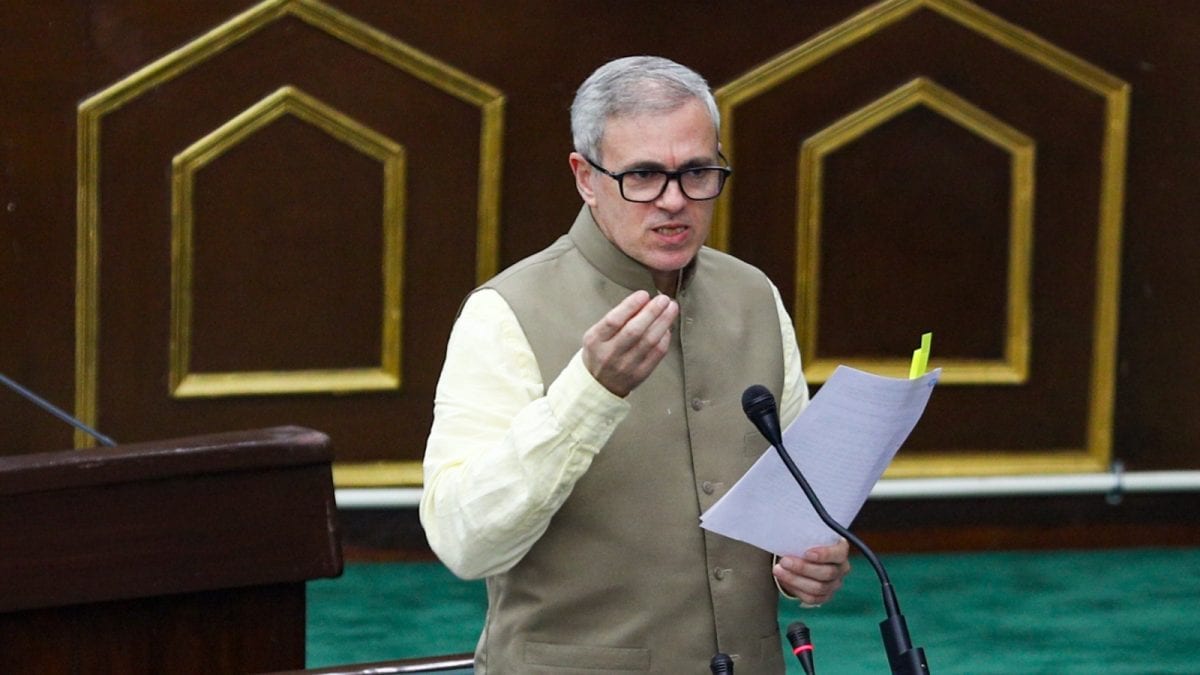
National Conference‑led government under Chief Minister Omar Abdullah allowed the bill to be introduced in the Legislative Assembly on a Wednesday. Normally, private‑member bills have a very slim chance of becoming law without full backing from the government, so the fact that Chief Minister Omar Abdullah gave it a Green signal was a clear signal of political intent.
Chief Minister Omar Abdullah’s Stance on the Bill
Chief Minister Omar Abdullah said, “Traditionally, if I have to react to what has been given to me by the department, I have to oppose it, but I want the House to deliberate on the matter in detail. After that, the government will take a decision on whether to support this bill or not. Therefore, at this stage, I will not oppose its introduction.” He made these remarks right after the bill was admitted, signaling a willingness to let the discussion run its course before taking a final call.
Listening to Chief Minister Omar Abdullah speak, I sensed a mix of caution and optimism. He seemed to want the legislators to feel that the matter was being taken seriously, while also keeping the door open for possible amendments based on what the opposition could bring to the table.
Opposition Voices: BJP, PDP and Peoples Conference
Leader of Opposition and BJP leader Sunil Sharma slammed the National Conference‑led government, accusing it of protecting “elite interests” at the expense of ordinary citizens. “The mandate given by the people appears to be used not for public good but to protect a privileged few," Sunil Sharma declared, clearly hoping to strike a chord with voters who feel left out of the development narrative.
In the same breath, PDP MLA Waheed Parra dramatically tore a copy of the bill on the assembly floor, shouting that the legislation was meant to benefit a handful of powerful individuals, naming the Nedous Hotel in Gulmarg as a prime example. The act of ripping the document was theatrical, but it underlined the depth of mistrust that some regional parties feel towards the current proposal.
Peoples Conference chairman Sajad Lone also entered the fray, warning that the bill would mainly aid the “super‑elite” of Kashmir. He argued that the legislation could essentially legalise the status of large, well‑connected hotel owners while ignoring smaller entrepreneurs who operate modest guesthouses and homestays.
Why Lease Renewal Matters in Gulmbarg?
To understand why the bill has become such a flashpoint, one has to look at the land‑lease situation in Gulmarg. The valley is dotted with dozens of hotels, many of which were granted leases on government, forest, or notified land decades ago. By early 2026, 55 out of 59 hotels in Gulmarg had leases that had expired under the old system.
Before the 2022 Land Grants Rules, these leases were typically renewed automatically or through a preferential process that favoured existing local leaseholders. After the rules changed, any lease that expired was supposed to be put up for a fresh open auction, meaning anyone in India could bid, including large corporate groups from metros far away.
When I visited Gulmarg last winter, the sight of snow‑capped peaks was breathtaking, but the hotels I stayed at kept mentioning, almost in passing, how nervous they were about their lease status. One hotel manager confided that the High Court had originally heard their petition to stop the auction, but they withdrew after the government hinted at an out‑of‑court settlement. The sense of relief was palpable, yet the underlying anxiety remained.
Historical Context: Lease Rules Before and After 2019
Before August 2019, Jammu and Kashmir operated under Article 370 and the special provision 35A. Land‑grant matters were governed by the 1960 Land Grants Rules. Those rules gave preference to local residents and permanent settlers, allowing lease renewals that could stretch for decades, sometimes even up to 99 years in practice. Outsiders faced stringent restrictions on buying or leasing land, effectively protecting local communities and the tourism sector that depended on them.
When the central government revoked Article 370 in August 2019 and reorganised the state into a Union Territory, central land laws started to apply more broadly. The changes opened up land ownership to non‑residents and outsiders in many categories, a shift that caused a mixture of hope and apprehension among locals.
In 2022, the Lieutenant Governor of Jammu and Kashmir issued the new Jammu and Kashmir Land Grants Rules. The most significant departure from the earlier regime was the removal of automatic renewal for non‑residential leases. The rules explicitly stated that once a lease expires, it “shall stand determined” and the land must be offered for a fresh open auction to the highest bidder, regardless of whether the bidder is local or from any other part of India. Only a narrow set of residential leases were exempted, and even those faced stricter scrutiny.
The government justified the 2022 rules as necessary for transparency, market‑driven rates, and preventing the “milking” of public land through informal extensions. However, the ripple effect was immediate: hoteliers across Gulmarg, Pahalgam, and Patnitop began to worry that their once‑secure premises could suddenly be taken over by unknown bidders.
What the New Bill Proposes and How It Reverses 2022 Changes
The National Conference‑backed bill seeks to undo the 2022 provisions that forced fresh auctions for expired non‑residential leases. Instead, it enshrines a right for existing lawful leaseholders to be given a preferential chance to renew their lease. The language of the bill says that the lease “shall be renewed on the same terms, subject to payment of any pending dues, provided the leaseholder meets the eligibility criteria set by the government.”
Essentially, the bill attempts to bring back the pre‑2019 system for those already operating hotels on government land. It does not propose a blanket exemption for all leases, but rather targets those that were granted before the new rules came into force. The idea is to protect local entrepreneurs who have invested in tourism infrastructure over many years, rather than opening the market to fresh competition from outside the valley.
Critics, however, argue that the bill could be used to regularise the status of large, well‑connected hotel owners, while smaller guesthouse owners may still find themselves at a disadvantage if they lack political clout. The PDP, for instance, has floated an “anti‑bulldozer” bill as an alternative, suggesting that the current proposal does not go far enough in protecting the rights of all stakeholders.
Key Examples: Nedous Hotel and Other Heritage Properties
Nedous Hotel in Gulmarg is often highlighted in the debate because of its historic significance. The heritage property, which has stood for over a century, was last held on lease by relatives of Chief Minister Omar Abdullah. Earlier this year, the government took control of the hotel, alleging that the lease had expired and the property was operating without a valid lease. This move sparked legal battles and political uproar, turning the hotel into a symbol of the larger lease‑renewal dispute.
If the National Conference‑backed bill does not pass, properties like Nedous Hotel could be put up for auction, potentially attracting bidders from other parts of India who may have deep pockets but no local ties. On the other hand, if the bill passes, the current leaseholders—including those with historic ties to the hotel—could continue to run the property under the same terms, preserving a piece of Gulmarg’s heritage.
During my stay at a smaller family‑run hotel in Gulmarg, the owner told me how the uncertainty over the lease had forced them to cut back on hiring staff and even delayed a minor renovation. The fear of losing the lease, even though they had operated there for decades, made them hesitant to invest in better facilities. This personal story reflects the broader anxiety that many business owners in the region feel.
Political Reactions: A Tug‑of‑War in the Assembly
When the bill was introduced, the assembly erupted with heated exchanges. BJP leader Sunil Sharma accused the National Conference of betraying the public mandate, insisting that the bill primarily benefits a “privileged few.” PDP MLA Waheed Parra’s dramatic tearing of the bill added a theatrical element to the proceedings, yet it also underscored the deep mistrust that some regional parties harbour towards any legislation that appears to protect elite interests.
Peoples Conference chairman Sajad Lone described the bill as a “pro‑elite” move that would favour big hotels over smaller enterprises. He warned that the legislation could set a precedent where only those with political connections could secure lease renewals, leaving ordinary entrepreneurs at a disadvantage.
National Conference, on the other hand, framed the bill as a protective measure for local livelihoods and a way to keep public land from being auctioned off to speculative outsiders. The party argued that the 2022 rules had created an “existential fear” among local hoteliers, turning them into “illegal occupants” overnight. By restoring renewal rights, the National Conference hopes to reassure stakeholders that their investments are safe.
Economic Implications for Tourism
The tourism sector in Jammu and Kashmir contributes significantly to the region’s economy. Hotels, guesthouses, and related services employ thousands of local people, from housekeeping staff to drivers and artisans who sell handicrafts. If leases are forced into open auctions, there is a risk that big corporate players from outside the valley could acquire large parcels of land, potentially reshaping the tourism landscape.
From a practical standpoint, many of the existing leaseholders have already invested heavily in infrastructure—building ski lifts, maintaining trekking trails, and even restoring heritage buildings. A sudden change in ownership could lead to a disruption of services, especially during the peak winter season when tourists flock to Gulmarg for skiing.
On the other hand, proponents of the 2022 rules argue that opening up the market could bring in fresh capital, modern facilities, and perhaps better management practices. The debate, therefore, hinges on whether the priority is to preserve the traditional, locally‑run tourism model or to invite large‑scale investment that could potentially increase revenue but also alter the cultural fabric of the region.
Personal Observations: How the Issue Touches Everyday Life
Whenever I walk through the bustling markets of Srinagar or the quiet lanes of Pahalgam, I see the same faces—people who run tea stalls, sell woolen shawls, or work as drivers for tourists. Many of them tell me that their income is directly linked to the occupancy of the hotels where they sell their wares. When a hotel faces lease uncertainty, the ripple effect touches everyone in the supply chain.
One chai‑wala near the main bus stand confided that the number of tourists staying in local guesthouses had dipped after the 2022 rules were announced. He said, “If the big hotels disappear, we lose customers, and our earnings go down.” It is a simple, everyday illustration of how a policy change concerning land grants can affect the livelihood of a street vendor.
These small, human stories often get lost in the political rhetoric. Yet they remind us that behind every clause in a bill lies a network of real people whose daily existence could be altered by the outcome.
Looking Ahead: What Determines the Bill’s Fate?
The bill’s passage hinges on several factors. Firstly, the National Conference needs to secure enough support within the Legislative Assembly. While Chief Minister Omar Abdullah has allowed the bill to be introduced, the final vote will depend on whether coalition partners and independent legislators align with the party’s stance.
Secondly, public opinion could play a decisive role. If the narrative that the bill protects local businesses gains traction among voters—especially those who depend on tourism for their income—the pressure on opposition parties may increase.
Lastly, the central government’s position cannot be ignored. Since Jammu and Kashmir is now a Union Territory, any law that touches upon land administration must inevitably intersect with central policies. If the central government perceives the bill as a step back from its vision of a unified market for land, it might intervene or withhold necessary approvals.
Whatever the outcome, the debate has already highlighted a deeper question: how does a region balance the need for economic development with the preservation of local ownership and cultural heritage? The answer will shape not just the future of Gulmarg’s hotels, but also the broader trajectory of tourism in Jammu and Kashmir.