Hey, let me tell you about something that’s been making the latest news India buzz the Mumbai Cricket Association (MCA) just announced a landmark move that could change the lives of dozens of domestic cricketers. I was scrolling through my phone this morning, sipping chai, when I saw the headline about a new Player Contract System. It felt a bit like reading about a new salary structure at my office, but this time it’s for the guys who hustle on the local grounds day in and day out.
Basically, the MCA’s Apex Council gave the Green light to a Player Contract System that will start from the 2026‑27 domestic season. It’s noteworthy because it makes MCA the very first cricket association in India to introduce such a structured contract for its home‑grown talent. If you know how cricket works here, you’ll understand why this is such a breaking news story domestic players have traditionally lived on match‑day fees and a few allowances, which can be a roller‑coaster ride.
MCA Announces Landmark Pay Structure For Domestic Players
So, how does this new system actually work? The MCA plans to categorize eligible players into three grades, each with an attractive annual retainer. On top of that, they’ll still get the usual match fees, daily allowances, and performance‑based incentives that the association already offers. The idea is to reward consistency, push fitness standards and, honestly, to make sure the players can focus on cricket without worrying about where their next paycheck will come from.
What caught my eye was the fact that the contracts will primarily target senior team players who haven’t yet represented India or played in the IPL. The plan is to initially benefit about 15‑20 players a small group, but a very strategic one. Think of it like a pilot project: they’ll see how it works, tweak it if needed, then perhaps roll it out to more players later. This kind of trending news India development could set a precedent for other state bodies.
Why This Matters: Objectives Behind the Initiative
Let’s break down the core goals the MCA highlighted. First and foremost, they want to give Mumbai’s domestic players financial stability. In most cases, these cricketers juggle daytime jobs or rely on family support because the income from cricket alone isn’t enough. With a guaranteed annual retainer, they won’t have to scramble for odd jobs between matches.
Second, the MCA aims to create a structured, professional environment that mirrors international standards something we’ve seen in football leagues across Europe, but rarely in Indian domestic cricket. By setting strict fitness benchmarks and rewarding performance consistency, the association hopes to raise the overall quality of play. And, of course, there’s the big picture: building a strong pipeline that could feed talent into the Indian national team or the IPL.
During the press conference, MCA President Ajinkya Naik said, “This initiative marks a new era for the MCA. We are proud to be the first association to implement a player contract system, a progressive step that will provide greater security, structure, and growth opportunities for our Mumbai players.” I could see the excitement in his voice it felt like an viral news moment for the cricketing community.
How Domestic Players Earn Money Today
If you’re not a cricket insider, you might wonder how much these players actually make. Right now, domestic cricketers earn a combination of BCCI match fees and whatever their state association throws in. The BCCI pays a daily rate that was revised for the 2024‑25 season and typically ranges between ₹40,000 and ₹60,000 per day, depending on the format and tournament level.
Some state bodies, including MCA in the past, have doubled those earnings by adding their own subsidies. Players also get a tiny slice of the BCCI’s massive media‑rights revenue, which is shared among all domestic cricketers. However, there have been hiccups between 2016 and 2018, many players complained about delayed payments, which caused a lot of stress and uncertainty.
The new MCA contracts will add a reliable annual retainer on top of these existing earnings. Think of it as a safety net that keeps the cash flow steady during off‑season periods, helping players focus on training rather than worrying about rent.
Personal Touch: What It Means for a Young Cricketer
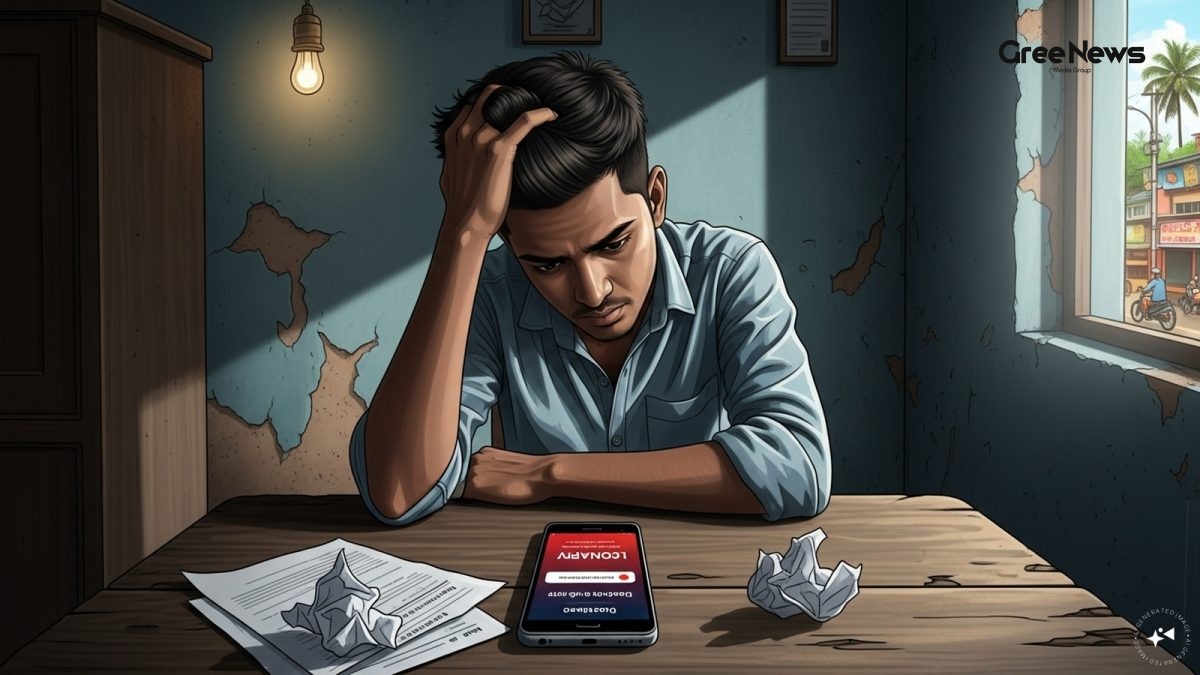
Imagine you’re a 22‑year‑old bowler playing for Mumbai’s senior team. You’ve been knocking on the doors of the national selectors, but you’re also working part‑time at a coaching academy to make ends meet. Suddenly, you hear about the PCS. The very next day, you get a call from the MCA selector saying you’re among the first batch to get a contract. The contract guarantees you an annual sum enough to cover your monthly expenses, plus the usual match fees.
In my neighbourhood, my cousin is exactly that a talented leg‑spinner who has been grinding in the club circuit. He told me how this news made him feel a wave of relief. ‘Now I can think about sharpening my yorker instead of worrying about the next month’s rent,’ he said. That’s the kind of real‑life impact we’re talking about, and it’s the sort of story that makes this breaking news piece resonate with everyday cricketers.
How the Grading System Works
The MCA’s framework splits players into three grades let’s call them Grade A, B, and C for simplicity. Each grade comes with a different annual retainer amount, reflecting the player’s experience, performance record, and fitness level. On top of that, they still receive match fees on a per‑day basis, daily allowances for travel and lodging, and a set of performance incentives for example, a bonus for taking five wickets in a match or scoring a half‑century.
This graded approach not only rewards high performers but also creates a clear pathway for younger players. If a Grade C player consistently performs well, they can move up to Grade B in the next contract cycle. It mirrors the promotion‑relegation system you see in football leagues, making it easy for anyone to understand.
Addressing Past Payment Issues
Let’s rewind a bit. Between 2016 and 2018, a lot of domestic players raised concerns about delayed dues from state associations. The BCCI tried to streamline the process by paying out once the state bodies submitted proper invoices and documentation, but the system wasn’t foolproof. Players often found themselves waiting weeks for money they had already earned on the field.
With the new PCS, the MCA is essentially adding a fixed salary that’s paid out annually, irrespective of match schedules. This means even if there’s a delay in the BCCI’s match‑fee settlement, the players still have a steady income coming in. It’s a practical solution that directly tackles the headaches many cricketers faced in the past.
Wider Impact: Could Other States Follow?
Now, here’s the part that makes this story truly trending news India. The MCA’s move could act as a catalyst for other state associations. If Mumbai’s experiment proves successful and given how cricket loves a good success story we might soon see similar contracts popping up in Delhi, Karnataka, or Tamil Nadu. That would turn this one state’s initiative into a nationwide shift, essentially professionalising domestic cricket across the country.
In most cases, the BCCI has been cautious about over‑centralising player contracts, preferring to let states manage their own affairs. But if the MCA can showcase measurable improvements better player fitness, higher match attendance, and maybe even more players progressing to the national team the board might give a nod to a wider rollout. That’s why sports enthusiasts on Twitter started calling this development a ‘game‑changer’, and why the story is gaining traction as viral news among cricket fans.
What Fans Can Expect
From a fan’s perspective, the immediate effect might not be visible on the pitch, but the ripple effects will be. Expect to see players appearing more fit, more focused, and perhaps a bit more confident when they step onto the field. You might also notice a better quality of domestic tournaments, with matches being more competitive because players have a real stake in their performance.
And for the next generation of kids watching matches in local grounds, seeing a clear, professional contract system could be incredibly inspiring. It tells them that cricket can be a viable career path, not just a hobby. That’s why the MCA’s announcement is being highlighted in many India updates platforms it’s not just about money, it’s about shaping the future of the sport.
Closing Thoughts
All in all, this is one of those moments where a sports administration decision directly touches the lives of players, their families, and the broader cricketing ecosystem. The MCA’s Player Contract System is a bold step toward professionalising domestic cricket, offering financial stability, and setting clear performance metrics.
Whether you’re a die‑hard cricket fan, a budding player, or just someone who follows the latest news India, this story is worth keeping an eye on. The next few seasons will tell us how effective this model is, but for now, I’m excited to see Mumbai leading the way. Who knows, maybe the next big Indian cricket star will emerge from a more secure, better‑supported domestic setup, and we’ll all be cheering for them with a sense of pride that we helped make it possible.