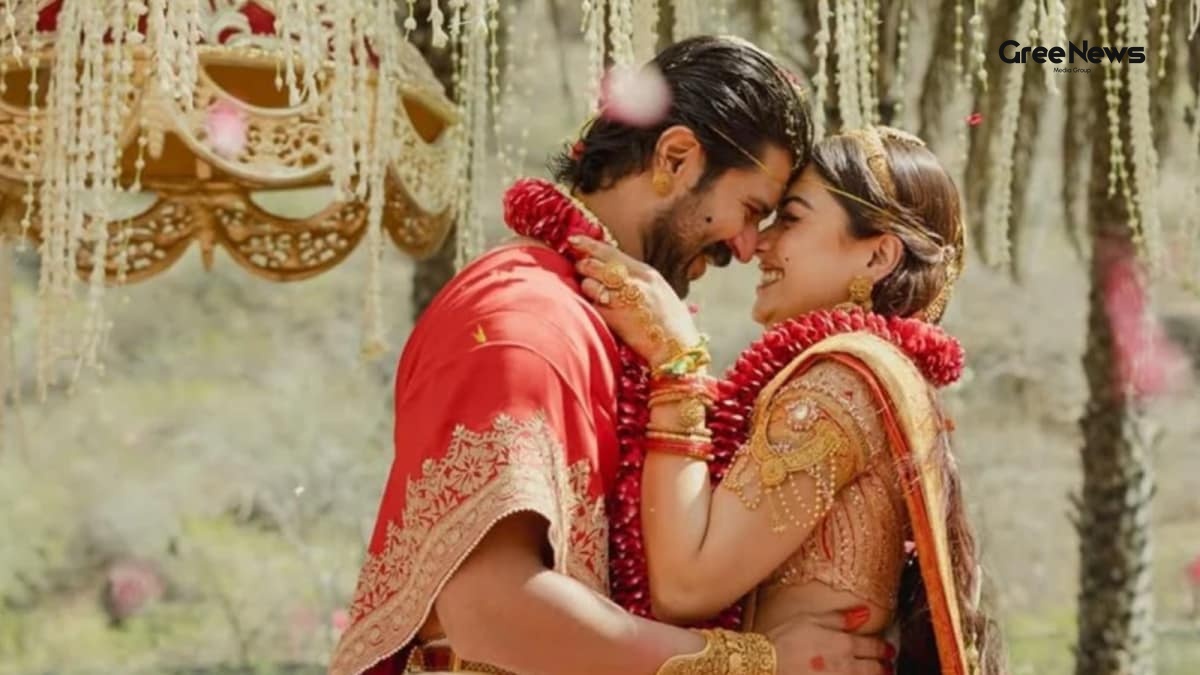
Why I Started Paying More Attention to the Feel of Weddings
Honestly, I used to think a wedding’s success was all about how many Instagram‑worthy pictures you could click. Growing up, every Bollywood‑style marriage I attended was a riot of towering floral installations, massive stages, and colour‑splashed backdrops. It felt like the whole event was engineered for the camera, not for the people actually present.
But a couple of months ago, I was at a close friend’s wedding in Himachal, and something clicked. The venue was a modest hill‑top resort, the décor simple yet thoughtfully placed, and the whole vibe was about us feeling connected rather than just looking good on Instagram. It made me wonder are Indian weddings finally shifting from visual spectacle to something more... emotional?
Turns out, I wasn’t the only one noticing this. When I skimmed through the latest news India and a few of the breaking news updates on wedding trends, the story repeated: couples in 2026 are deliberately dialing back on overt grandeur and focusing on experiences that matter to them and their guests. This article is my attempt to capture that transition, sprinkled with a few personal anecdotes and insights from industry leaders.
Moving From Visual To Emotional Design My Observations
In most weddings I grew up attending, the day was a tightly‑scheduled marathon: ceremony at 10 am, lunch at 12 pm, a series of performances, and finally a massive banquet. The agenda felt like a checklist nothing could be missed, otherwise the whole plan would crumble. This year, a friend of mine, Rohan, decided to break the mould. He and his partner chose a slower‑paced, multi‑day celebration that felt more like a series of intimate gatherings than a single high‑pressure event.
Rohan told me, “We wanted our wedding to be a collaborative pursuit, not just a scheduled event.” He was right. Instead of compressing rituals into a tight timeline, he left ample space between the mehendi, sangeet and the actual wedding day. Guests could wander from one activity to another at their own rhythm, and there was even a “relaxation hour” each evening where no formal program was planned just chai, soft music and conversations.
This approach reminded me of a line from a recent trending news India piece: “Weddings are now created to be lived, rather than observed.” The shift from a visual‑first mindset to an emotional‑first one is subtle but powerful. The décor, while still beautiful, now acts as a gentle backdrop, allowing personalised ceremonies and shared experiences to take centre stage.
Even the traditional mandap took on a new shape. Instead of a single rectangular structure, Rohan’s venue featured a circular mandap placed in the centre of a garden, surrounded by low, communal tables. This design encouraged guests to sit around the couple, not just watch from a distance. The feeling was more inclusive, and it certainly made the ceremony feel more intimate, even though there were over a hundred guests.
Experience‑Led Celebrations The Rise Of The ‘Wed‑Cation’
One term that kept popping up while I was browsing through viral news about weddings was “wed‑cation”. At first, I thought it was just a clever marketing phrase, but after attending a three‑day celebration in Kerala, I got why it’s gaining traction.
The couple, Meera and Arjun, chose an eco‑resort overlooking the backwaters. Their itinerary was less about ticking off rituals and more about creating moments: sunrise yoga by the lake, a cooking class where guests learned to make traditional Kerala dishes, and an evening of storytelling around a bonfire. Rashmi Varma Parikh, Director at The Wedpreneur, explained this trend perfectly when I quoted her: “Today’s celebrations are unfolding in serene, nature‑forward destinations where slow breakfasts, wellness rituals, curated culinary journeys and storytelling dinners replace rushed schedules.”
What struck me most was the sense of freedom. There was no pressure to move from one scheduled event to the next; instead, guests could linger where they felt most comfortable. The “wed‑cation” model also allowed families from different cities to arrive at their own pace, reducing the usual travel stress associated with big Indian weddings.
Another interesting detail the couple gave each guest a small diary to jot down memories, thoughts or even doodles during the stay. At the end of the celebration, these diaries were collected and compiled into a beautiful coffee‑table book. It became a tangible memory beyond any photo album, and many guests said it was the most heartfelt part of the whole experience.
Looking at the trending news India platforms, I noticed that stories about “wed‑cations” have been shared widely, often going viral because they strike a chord with younger families yearning for more meaningful connections during such milestones.
Conscious Choices, Sustainability, And Intimacy A Personal Take
When I talk to friends about weddings these days, a recurring theme is sustainability. It’s not just a buzzword; it’s a genuine concern that influences how couples plan every detail. For instance, at the same Himachal wedding I mentioned earlier, the couple sourced all floral arrangements from local growers within a 50‑kilometre radius. The décor pieces from bamboo arches to hand‑woven linen table covers were all made by artisans from nearby villages.
Sayali Amit Sahasrabudhe, Founder of Sunflower Events, put it simply: “The intentional quality of intimacy is being recognised in the design of wedding venues today. Although the size of guest lists may still be large, the design of the venue allows for intimacy, whether it’s a circular mandap, shared tables or shared experiences that bring guests into the emotional core of the celebration.”
Seeing that in action made me realise that the shift toward sustainability isn’t just about “Green” labels. For many couples, it reflects who they are their values, their upbringing, and the kind of future they envision together. When I asked the couple why they chose a zero‑waste menu, they said it was because they wanted their celebration to leave a positive impact on the environment, not just a pile of plates and plastic.
On the food front, the menu featured seasonal, locally‑sourced produce, and the chefs prepared dishes that told a story of the region’s culinary heritage. Guests were invited to vote for their favourite regional dish via a simple mobile poll another example of how technology subtly enhanced participation without stealing the human touch.
All these conscious choices also contributed to the overall feeling of intimacy. Even with 200 guests, the layout long communal tables, shared seating areas, and interactive food stations encouraged conversation and made the space feel like a big family gathering rather than a crowded hall.
What This Means For The Future Of Indian Weddings My Reflection
Having witnessed at least three weddings this year that embraced these newer trends, I’m convinced that the Indian wedding industry is undergoing a profound transformation. The focus is shifting from “how many Instagram likes will this décor get?” to “how will this moment make us feel?”.
It’s not that visual appeal has vanished beautiful décor still has its place. But now it serves a supporting role, much like background music in a film, setting the tone for the real stars of the show: the stories, the rituals, and the shared laughter.
When I read India updates or scroll through the trending news India feeds, the headlines now often highlight “personalised wedding experiences”, “sustainable celebration trends” and “wed‑cations that redefine romance”. These aren’t just buzzwords; they’re reflections of a broader cultural shift toward authenticity. Couples want their weddings to mirror their personalities, values, and aspirations, rather than fitting into a one‑size‑fits‑all template that has been popular for decades.
Even the industry insiders, like Anjali Tolani from Tamarind Global, notice the change: “We see an evident trend in couples wanting their wedding to be a collaborative pursuit, rather than merely a scheduled event. Today’s guests are no longer passive observers, they now participate as active participants in creating meaningful experiences, whether through locally inspired welcome rituals, and heritage‑inspired culinary journeys or through moments of unplanned togetherness.”
Personally, I feel more excited about attending weddings now. Knowing that each event is crafted with intention, that the décor is meant to enhance feelings rather than dominate them, gives me a deeper appreciation. I find myself looking forward to the “storytelling dinner” or the “wellness ritual” rather than just waiting for the cake cutting.
To sum up, the Indian wedding of 2026 is becoming a canvas for personal expression, emotional connection, and ecological responsibility. If you’re planning a wedding or simply curious about how traditions evolve, keep an eye on these trends they’re not just fleeting fads but a genuine redefinition of what a celebration means in our fast‑moving world.