Nearly 91 Lakh Voters Removed From West Bengal Electoral Rolls After Special Intensive Revision
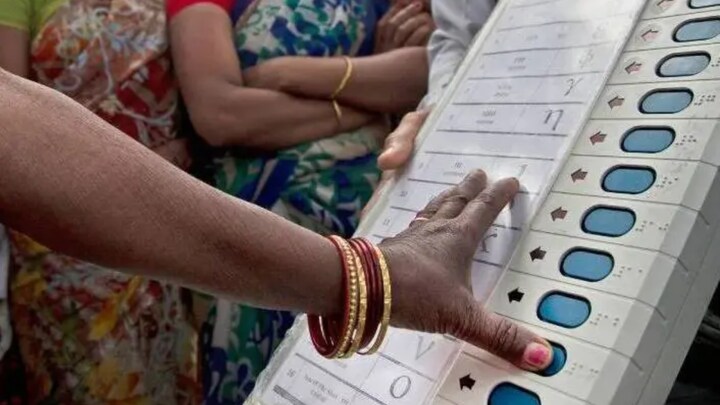
Massive Deletion Following Special Intensive Revision
The Election Commission has announced that the names of almost ninety-one lakh voters have been eliminated from the West Bengal electoral rolls as a direct outcome of the Special Intensive Revision exercise conducted across the state. This figure represents a substantial portion of the electorate and underscores the scale of the cleanup undertaken by the Election Commission.
According to data released by the Election Commission, approximately sixty-three point six six lakh voters—equating to roughly eight point three percent of the total electorate in West Bengal—had already been removed from the rolls prior to the latest round of deletions. The earlier deletions were recorded since the initiation of the Special Intensive Revision process in the preceding year.
The revised roll now totals seven point zero four crore names. Within this revised roll, more than sixty point zero six lakh electors are classified under the “under adjudication” category. This category includes voters whose eligibility status is still being examined by the Election Commission.
From the pool of voters classified as “under adjudication,” more than twenty-seven point one six lakh names have subsequently been struck off after thorough scrutiny by judicial officers appointed to oversee the process. In contrast, more than thirty-two point six eight lakh voters have been retained, thereby securing their inclusion in the final version of the West Bengal electoral rolls.
Detailed Breakdown of the Deletion Figures
The Election Commission’s poll panel has provided a precise accounting of the deletion activity. The total number of names removed since the commencement of the Special Intensive Revision process stands at approximately ninety point three eight lakh.
A senior official of the Election Commission emphasized that the revision exercise has been executed in a phased and transparent manner. To foster accountability, district‑wise data relating to the deletions has been placed in the public domain, allowing stakeholders and the general public to examine the figures for each district.
Of the sixty point zero six lakh electors placed under adjudication, public data have been released for fifty‑nine point eight four lakh cases. Additionally, twenty‑two thousand one hundred sixty‑three cases have reached a resolution but remain pending electronic signatures, a procedural requirement before final confirmation.
The Election Commission official indicated that once all pending procedural steps, including the acquisition of electronic signatures, are completed, only marginal adjustments are expected in both the deletion and inclusion tallies. The official further clarified that any additional inclusion at this juncture will be strictly governed by legal provisions and any directions issued by competent authorities.
Rolls Frozen Ahead of the Assembly Elections
The Election Commission has explicitly stated that no further inclusion of names will occur in the electoral roll at this stage. The roll is considered frozen in accordance with statutory requirements that come into effect following the last day for filing nominations for the first phase of the assembly elections.
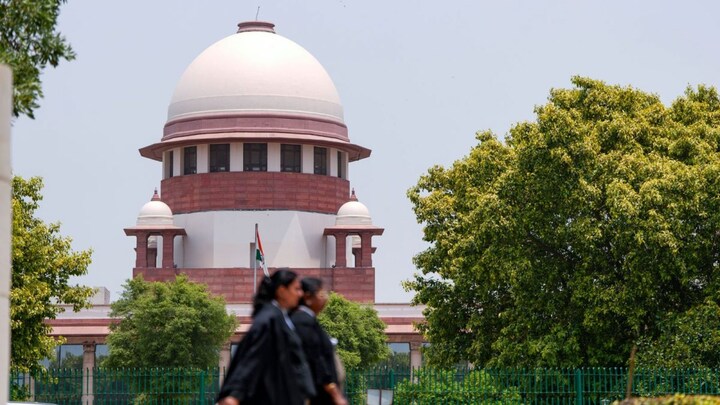
With the publication of the final supplementary list, the electoral rolls for the first phase of the West Bengal Assembly elections have been officially frozen, adhering to established electoral norms. The state’s legislative assembly consists of two hundred ninety‑four seats. The first phase will see elections held for one hundred fifty‑two seats, while the remaining one hundred forty‑two seats will be contested in the second phase.Rolls for the second phase are scheduled to be frozen on a designated date that follows the completion of the first‑phase nomination process. Election officials have reaffirmed that no additional names will be added to the voter list for either phase at this point. Any future modifications to the rolls will be contingent upon legal provisions or specific directives issued by competent authorities, including the Supreme Court, which is slated to consider related matters in the near term.
Implications of the Large‑Scale Deletion
The removal of close to ninety‑one lakh names from the West Bengal electoral rolls carries significant implications for both the conduct of the upcoming assembly elections and the broader democratic process. By excising ineligible, duplicate, or otherwise incorrect entries, the Election Commission aims to ensure that the electoral roll reflects an accurate and up‑to‑date portrait of eligible voters.
Accurate rolls are crucial for maintaining the integrity of the voting process. They help prevent instances of double voting, reduce the potential for electoral fraud, and provide a reliable foundation for logistical planning, such as the allocation of polling stations and electronic voting machines.
Furthermore, the transparent publication of district‑wise data serves to build public confidence. Stakeholders, including political parties, civil society organizations, and individual voters, can verify that the revision exercise has been carried out fairly and without bias.
The frozen status of the rolls also establishes a clear deadline for any legal challenges or petitions. Parties or individuals who believe that their names have been incorrectly removed can approach the appropriate judicial forums. However, such challenges must adhere to the procedural timeline set forth by the Election Commission and any applicable legal statutes.
In summary, the extensive deletion exercise, coupled with the freezing of the rolls, represents a decisive step by the Election Commission to safeguard the credibility of the electoral process in West Bengal.