What sparked my curiosity?
Last week, while sipping my morning chai and scrolling through Truth Social on my phone, I stumbled upon a string of posts by Donald Trump that immediately caught my attention. He was not just talking politics; he was talking oil – the lifeblood of our economy, the fuel for every rickshaw in Delhi and the diesel that powers the trucks on the Mumbai‑Pune expressway. The posts were filled with strong language, accusing Iran of not holding up its end of a two‑week truce that was supposed to keep the Strait of Hormuz open for oil shipments. I thought, “Okay, this is something worth digging deeper into,” and that’s how the story unfolded for me.
Donald Trump’s blunt claim: Oil will flow, with or without Iran
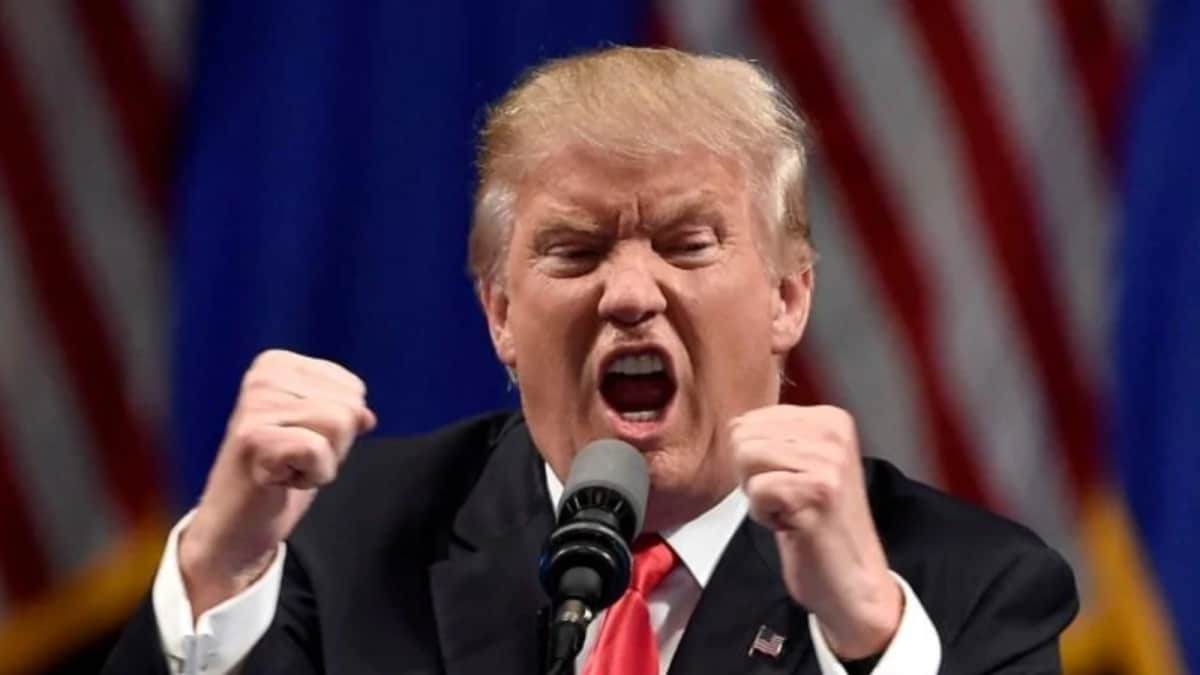
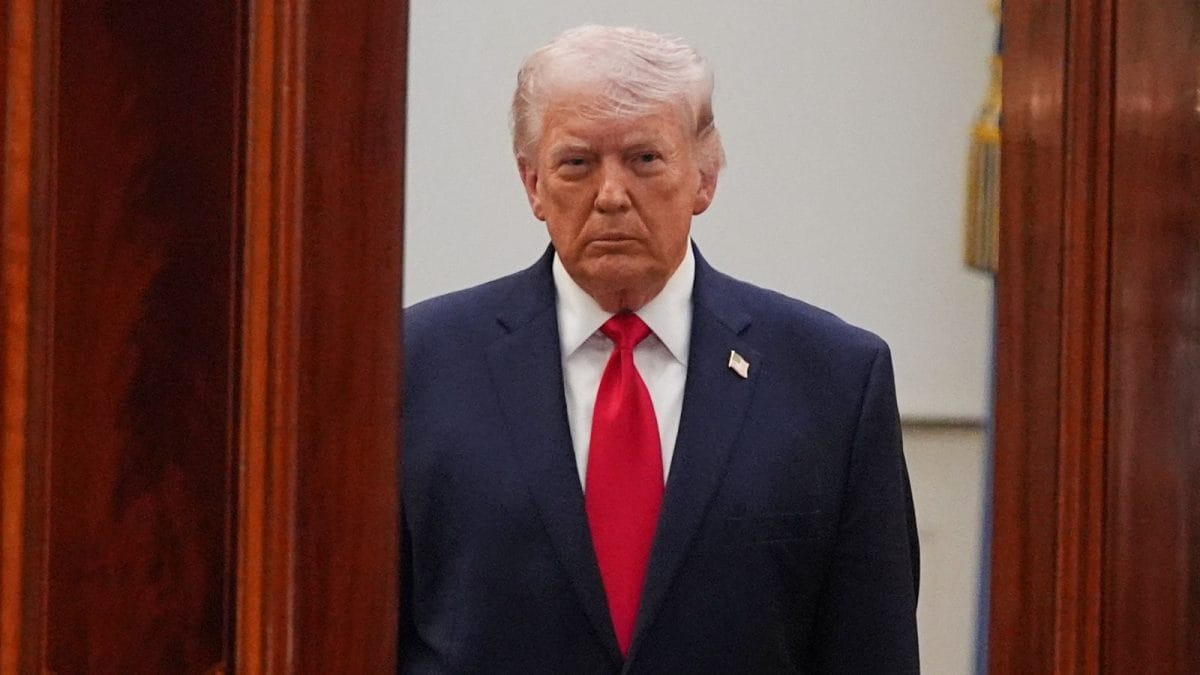
Donald Trump wrote that oil supply would continue “with or without the help of Iran” as tensions rose over the Strait of Hormuz. He said, “Iran is doing a very poor job, dishonourable some would say, of allowing Oil to go through the Strait of Hormuz. That is not the aGreement we have!” Then he added, “very quickly, you’ll see Oil start flowing, with or without the help of Iran.” For me, it sounded a bit like someone shouting from the rooftop of a Mumbai chawl, demanding that the water supply stay steady despite a broken pipe.
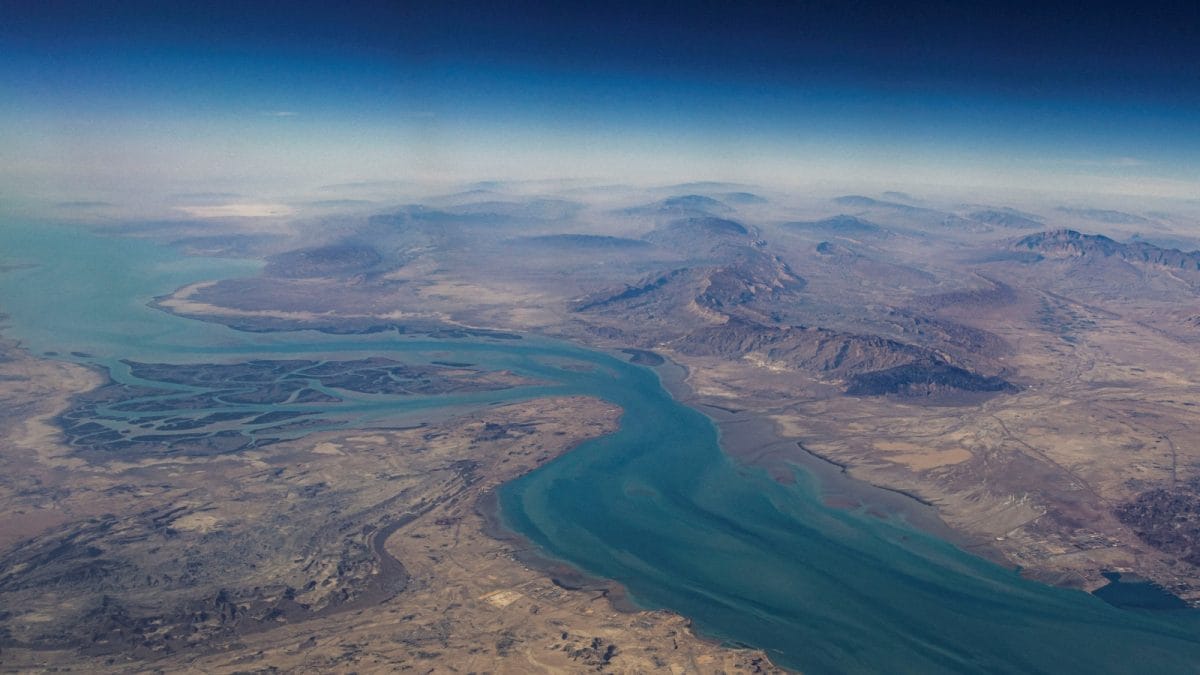
What made it more startling was the timing. Just days earlier, the United States and Iran had announced a cease‑fire that was supposed to reopen the 167‑km waterway connecting the Persian Gulf with the Indian Ocean. The idea was simple: keep the barrels moving and avoid any spikes in oil prices that could hit ordinary people like us, who notice the rising cost of petrol when we fill up at the pump in Bengaluru.
What the numbers say: Only ten vessels since the truce
According to maritime tracking data, only ten vessels have passed through the strait since the truce took effect. That’s a shockingly low figure, considering that under normal circumstances dozens of tankers sail through the Hormuz daily. I remembered reading a column in a local newspaper that said the strait handles about 20‑25% of the world’s oil supply. If just ten ships have gone by, the global market could feel a ripple that reaches right up to the price tags on our household gas cylinders.
In my neighbourhood, the auto‑rickshaws often have to wait longer for fuel deliveries, and the drivers crack jokes about how they might have to start pulling a diesel‑powered scooter themselves. The reality is that these jokes mask a genuine worry: if the strait stays clogged, our everyday expenses could go up, and the impact would be felt from Kolkata’s fish markets to the tea stalls of Jaipur.
Iran’s rumored fees and Donald Trump’s warning
Reports started circulating that Iran might impose fees on tankers using the route. Donald Trump warned, “There are reports that Iran is charging fees to tankers going through the Hormuz Strait — They better not be and, if they are, they better stop now!” It felt a bit like a neighbour threatening to raise the rent for using a shared driveway. The possible fee could add a hidden cost to every barrel, which would eventually trickle down to the consumer.
Imagine you’re driving from Hyderabad to Chennai and have to pay extra tolls for each kilometre – it would make the journey noticeably more expensive. That’s essentially what the fee would do for global oil trade. And when Donald Trump warned against it, it seemed like a signal that the United States could take steps to counter any such move, perhaps by rerouting ships or applying diplomatic pressure.
A shift in tone from optimistic to cautionary
In earlier interviews, Donald Trump had said he was “very optimistic” about a peace deal and described Iran’s leadership as “much more reasonable” in private conversations. But now his tone turned sharper, with a warning that “if they don’t make a deal, it’s going to be very painful.” It reminded me of the way my aunt, after a long discussion about a family dispute, suddenly changes from being hopeful to firmly stating that there will be consequences if her advice is ignored.
The shift signals that the diplomatic atmosphere is more fragile than it seemed a few days ago. While many of us in India watch the news from a distance, the ripple effects of these statements are tangible – a rise in oil prices could affect the cost of transporting goods across the country, impacting everything from mangoes in Amritsar to cotton in Gujarat.
Diplomatic moves on the ground
Vice President JD Vance is expected to hold talks with Iranian officials in Pakistan on Saturday. Special envoy Steve Witkoff and Jared Kushner are also travelling to Islamabad as part of diplomatic efforts. Every time a high‑profile political figure makes a visit, I get the feeling of an Indian cricket fan watching a star player glide onto the pitch – hoping the presence alone changes the game.
White House Principal Deputy Press Secretary Anna Kelly said, “The president is optimistic that a deal can be reached that can lead to lasting peace in the Middle East.” While optimism is nice, the ground reality often presents more obstacles. In my experience, negotiations are a lot like bargaining in a bustling market – you need patience, perseverance, and often a few concessions before you reach a modest aGreement.
Israeli involvement and regional dynamics
Israeli Prime Minister Benjamin Netanyahu aGreed during a call with Donald Trump to scale down operations in Lebanon, with talks between Israel and Lebanon scheduled in Washington next week, a US State Department official said. The latest escalation follows Israeli strikes on Lebanon that killed hundreds, further straining the already fragile truce less than 48 hours after it took effect. It feels like a heated argument between neighbours that escalates, causing a ripple of tension that spreads across the entire block.
For us ordinary citizens, these geopolitical jitters translate to headlines about rising oil costs, concerns about safety of shipping routes, and speculation about how long the cease‑fire will hold. Even people who never travel abroad feel the impact when the price of diesel goes up and my brother has to choose between buying a new motorcycle or paying for his daughter’s tuition.
Why it matters to everyday Indians
At first glance, the drama over a narrow waterway half a world away might feel distant. But think about the daily commute on Mumbai’s local trains, the trucks that bring wheat to Delhi’s wholesale markets, or the diesel‑powered generators that run many small businesses during power cuts. All of those depend on a steady flow of oil, which in turn often passes through the Strait of Hormuz.
When Donald Trump says oil will flow “with or without the help of Iran”, I see the underlying reassurance that the world’s energy arteries will stay open. Yet the low vessel count and rumours of fees remind us that the situation is fragile. If our economy feels the pressure, the price of a liter of petrol in Chennai could climb, making long rides on a scooter feel like a luxury.
Personal reflections and the bigger picture
Watching this unfolding, I keep thinking of my own experiences with blockages – like the time the Delhi Metro line got halted because of a signal failure. The inconvenience felt huge at the moment, but the service resumed quickly, and life went back to normal. Similarly, if diplomatic channels stay active – with Vice President JD Vance, Special envoy Steve Witkoff, Jared Kushner, and others pushing for dialogue – perhaps the strait will open up again without a major shock.
For now, I’ll keep an eye on the news, continue my chai sessions, and hope that the next time I fill up my bike’s tank, the price tag won’t surprise me. After all, we all want oil to keep flowing, whether Iran helps or not.