Ravie Dubey praises Ranbir Kapoor’s calm, focused approach on Ramayana, calling him graceful, committed, and someone with a soft, powerful on-set presence.
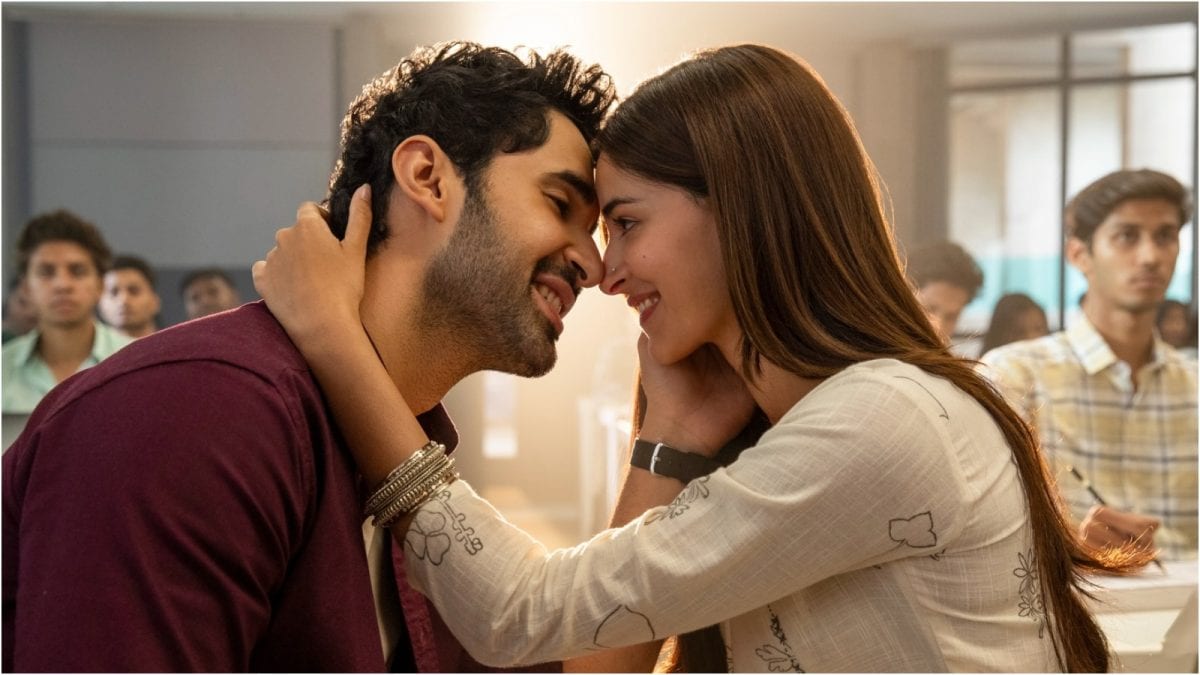
Ranbir Kapoor starrer Ramayana is turning into the biggest magnum opus, and with the teaser of the film released just recently on the occasion of Hanuman Jayanti, the buzz is even bigger. Now, with fans awaiting more details about the project, Ravie Dubey, who plays Lakshman in the film, has spoken about working with Kapoor.
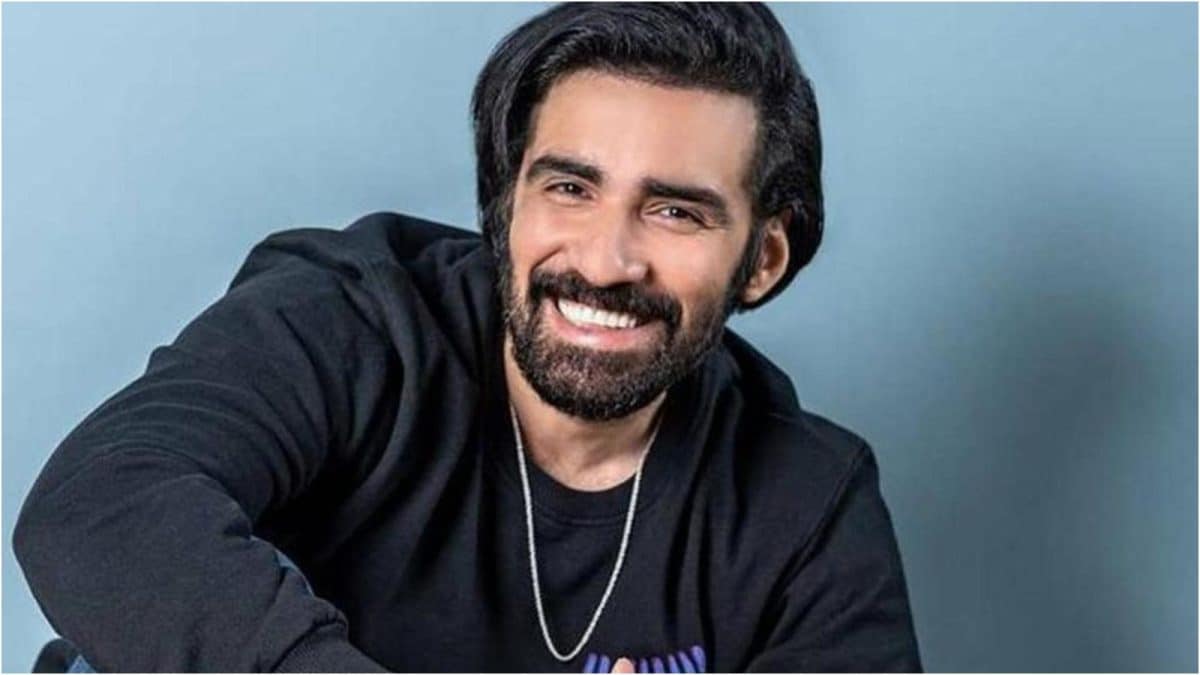
Speaking about their collaboration, Ravie Dubey shared, and Bollywood Hungama quoted, “Ranbir Kapoor has an incredible aura. He’s quiet, graceful, and deeply committed. He carries a very soft energy, and I think that’s something everyone who meets him would feel." The actor further described Kapoor as calm and focused during the shoot.
Honestly, when I first stepped onto the massive set in Hyderabad, I expected the usual Bollywood hustle – loud music, frantic calls, a lot of drama. But Ranbir was just there, quietly checking his lines, moving around with a sort of measured steps that reminded me of a monk walking through a temple corridor. It felt a bit surreal, like watching a seasoned teacher guiding a classroom without raising his voice.
There’s a story I keep recalling – during a break, the crew was juggling props for the chariot scene and someone accidentally knocked over a huge wooden pillar. Most would have panicked, but Ranbir just took a deep breath, gave a gentle smile, and said something like, “Chalo, we fix it together.” That, to me, showed his soft yet powerful presence. Even the junior assistants felt a wave of calm, and the whole set seemed to settle down a notch.
Ranbir Kapoor on playing Rama
Ranbir Kapoor on playing Rama
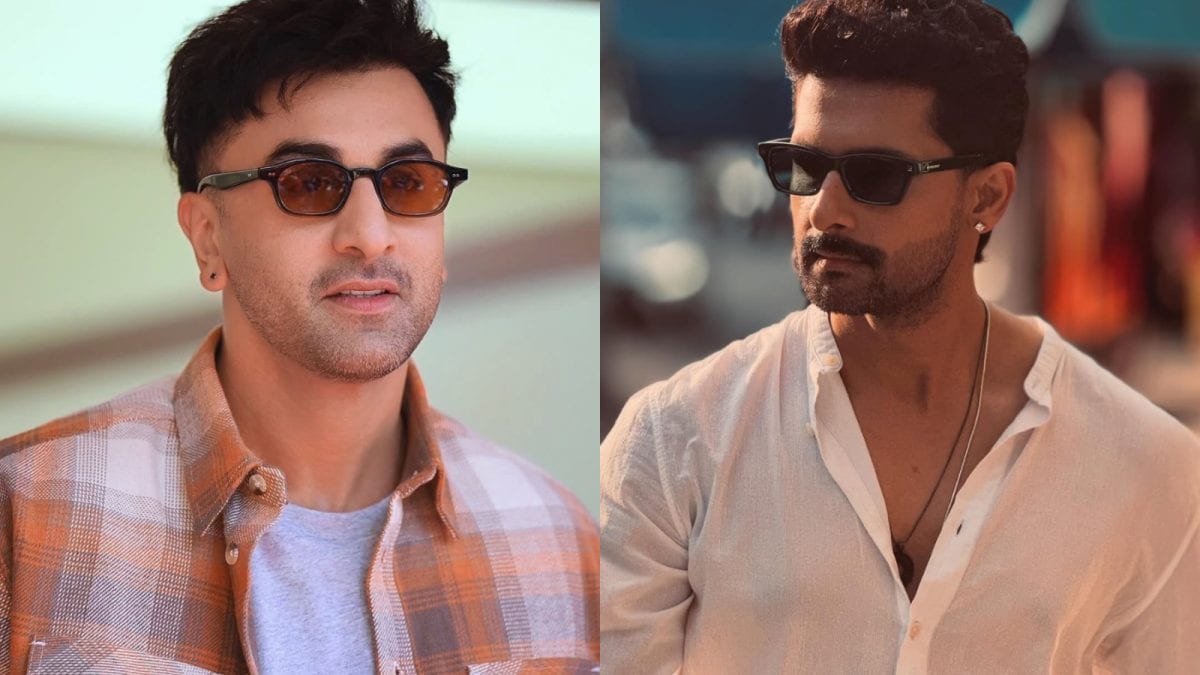
Speaking to Collider at the recently held teaser launch in LA, Ranbir Kapoor opened up about how he used his body language and voice to play both Rama and Parshurama, as the characters have different temperaments. He said, “Lord Vishnu had different avatars. Lord Rama was an avatar, and Lord Parshurama was an avatar before Lord Rama."
Ranbir Kapoor added, “Just to get the opportunity, you know, how I got to play Lord Rama, to also play Lord Parshurama was fantastic. I think as an actor, apart from body language, I think if you deeply understand the spirituality and the emotionality of the characters, I think everything starts from there. I think that’s what I did the year leading up to the shoot of Ramayana, to understand who these people and characters are, what they stand for, and what their motives are."
When I asked Ravie Dubey how Ranbir’s preparation affected the rest of the cast, he laughed a little and said, "He would often share snippets of the ancient verses he was reading. Even the crew would hear him humming a bhajan while fixing lights. It made the whole atmosphere feel like a small shrine rather than just a film set."
In most cases, actors prepare by watching old movies or reading biographies. Ranbir, however, spent months meditating on the moral dilemmas of Rama and the fierce righteousness of Parshurama. He even invited a scholar of Vyasa to the set for a short session on dharma. I think that kind of dedication filters down – the other actors, Lakshman, Sita, even Ravana, felt the weight of the story in a more authentic way.
About the Grand Ensemble
About Ramayana
While Ranbir Kapoor is playing the role of Lord Ram, Sai Pallavi will be seen as Goddess Sita. KGF star Yash will be seen as Ravana in this movie. Sunny Deol and Ravie Dubey will play the roles of Hanuman and Lakshman, respectively. On the other hand, Kajal Aggarwal and Rakul Preet Singh will be seen as Mandodari and Surpanakha. Arun Govil, Kunal Kapoor, Adinath Kothare, Sheeba Chaddha, and Indira Krishnan are also part of this project.
Now, you might wonder how such a varied cast manages to sync with each other. From my observations, the director Nitesh Tiwari organised a week‑long workshop where everyone, from the youngsters like Yash to veterans like Sunny Deol, sat together and discussed the core values of each character. It reminded me of the school assemblies we used to have in my village – everyone standing in a line, listening to a story, and then reflecting on it.
In the daily schedule, there were moments when the whole crew would pause for a short prayer, a tradition that is common on many Indian sets. It felt natural because the story itself is rooted in spirituality. Even the makeup artists would talk about the symbolism behind the colors they used for each avatar’s costume.
One funny incident that still makes me smile: during a rehearsal of the famous “Sita‑Swayamvar” scene, Yash, who is used to high‑octane action, tried to pull a bow a little too dramatically. The bow snapped, and a wooden arrow flew across the set, almost hitting the director’s coffee cup. Ranbir instantly stepped forward, laughed, and said, “Looks like the bow wanted a bigger audience!” The whole team burst into laughter, and the tension melted away. It’s those little moments that show the human side of these larger‑than‑life characters.
Behind the Camera – Vision and Scale
Directed by Nitesh Tiwari and produced by Namit Malhotra’s Prime Focus Studios in association with 8‑time Oscar‑winning DNEG and Yash’s Monster Mind Creations, the two‑part epic will release worldwide in IMAX, with Part 1 arriving in Diwali and Part 2 following in the next Diwali.
Talking about the technical side, the crew has been using massive LED walls, the same kind you see in the biggest Hollywood productions. It’s not every day you see an Indian mythological film employing such technology. The visual effects team, many of whom have worked on international blockbusters, are stitching together real‑time renders of ancient cities, making the world of Ayodhya feel both historic and hyper‑real.
During a lunch break, I chatted with a visual effects supervisor who told me, “We are essentially building a digital Ram Setipuram. The challenge is to keep it authentic – the architecture, the colours, the way light filters through temple pillars – while also delivering the spectacle that a global audience expects.” He compared it to making a giant 3‑D jigsaw puzzle, and you could tell the excitement in his voice.
From an Indian perspective, these technical strides feel like they’re finally bridging the gap between our folklore and modern cinema standards. When I watched the teaser on my phone, the sound of the conches and the glow of the sunrise over the river felt surprisingly fresh, yet deeply familiar. It reminded me of watching the Ram Leela in my hometown, but amplified with the grandeur of IMAX.
Personal Reflections from the Set
Being part of such a massive project is both thrilling and a little intimidating. I often find myself comparing the experience to preparing for my own weddings – the planning, the rehearsals, the endless coordination, and the hope that everything will finally click on the big day. The difference is that instead of a baraat, we have a troop of extras in traditional dhotis, and instead of a wedding cake, there’s a giant golden chariot ready for the climax.
One of the moments that stayed with me was the early morning shoot of the sunrise over the Ganga. The crew set up a real river bank in a studio, and the mist was so thick that we could barely see the actors. The director asked us to stay silent, and there was this stillness that reminded me of the early mornings before a market opens – the city is quiet, the air is cool, and there’s a sense that something important is about to begin.
When Ranbir Kapoor entered the frame, his presence seemed to lift the fog, not in a supernatural way, but simply because his focus was unwavering. He would keep his eyes on the horizon, as if visualising the path Rama would later walk. It made us all feel a bit more confident, like students listening to a teacher who genuinely believes in the syllabus.
Even on days when the weather was not cooperative – sudden rains, a broken light, or a mis‑firing prop – the team never lost its rhythm. We would gather under a large tarp, share tea, and discuss the next scene. Someone would crack a joke about “a modern day monsoon in Ayodhya,” and laughter would follow. It’s these simple, human moments that make the whole saga feel grounded.
Overall, the experience has reminded me that every myth, no matter how grand, is made of countless tiny narratives – the devotion of a villager, the bravery of a soldier, the love of a sister. The set tries to capture that, and I think with the mix of talent, technology, and the calm aura that Ranbir Kapoor brings, the final film will resonate with audiences across the country and beyond.