Shabana Azmi Talks About Mona’s Family‑Centric World in “Next of Kin” – Exclusive Interview
Veteran actress Shabana Azmi shares insights into the layered personality of Mona, a devoted GP whose life is shaped by family, cultural heritage, and the immigrant experience.
Introducing a New Chapter for Shabana Azmi
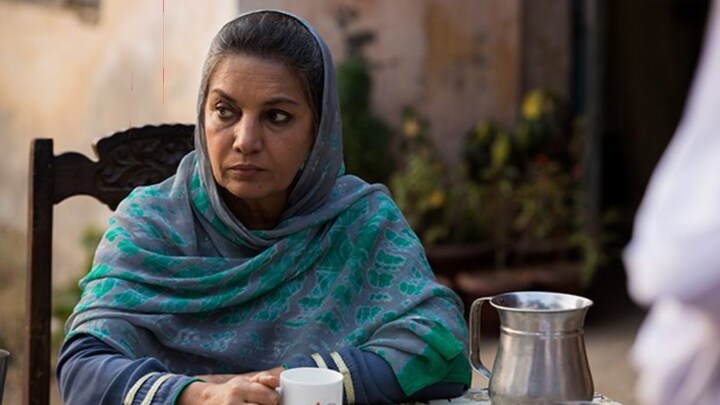
Shabana Azmi, a veteran actress known for nuanced performances, joins the cast of the streaming drama “Next of Kin,” available on Lionsgate Play. In this project, Shabana Azmi steps into the role of Mrs Shirani, the mother of Mona, adding depth to a storyline that weaves together identity, belonging, and generational responsibility.
Mona as a Professional and a People‑Person
Shabana Azmi described Mona as “a very good GP who works well with her patients.” The description underscores a blend of professional competence and genuine empathy. According to Shabana Azmi, Mona’s sociable nature makes her a natural “people person,” a quality that informs the way she navigates both her medical practice and her personal relationships.
In addition to her professional demeanor, Mona provides steadfast support to Guy, her husband, and his endeavors. This supportive dynamic reflects a partnership built on mutual respect and shared aspirations, a theme that resonates throughout “Next of Kin.”
A Character Defined by Family and Identity
When asked to elaborate on Mona’s cultural background, Shabana Azmi highlighted a “second‑generation immigrant” identity that balances a strong sense of English belonging with traditional values inherited from her parents. Mona’s upbringing in West London frames a perspective where family emerges as the “be‑all and the end‑all.”
According to Shabana Azmi, Mona’s protective instincts, loyalty, and sense of responsibility stem directly from her familial environment. The character’s worldview is anchored in the lived experience of her father’s migration story.
Mona’s father arrived in the country during the 1970s, confronting the challenge of taking on unskilled work despite possessing qualifications for higher‑level positions in his homeland. Shabana Azmi emphasized that this experience instilled in Mona a set of values that revolve around assimilation, hard work, and the imperative to look after the family.
These inherited values translate into Mona’s everyday decisions, shaping how she balances career demands with the expectations placed upon her by her family heritage.
One Family, No Boundaries
Shabana Azmi noted that Mona does not draw a line between nuclear and extended family; instead, she perceives all relatives as forming a single, cohesive unit. The character’s sense of duty extends beyond immediate household members, encompassing a broader network of kinship.
Within the narrative of “Next of Kin,” this expansive definition of family provides fertile ground for exploring how cultural expectations intersect with personal ambitions. Mona’s willingness to care for an extended circle reflects a broader commentary on community cohesion within immigrant families.
Through the lens of Mona’s experience, “Next of Kin” offers a nuanced portrayal of how identity, migration, and intergenerational values converge, influencing the ways individuals connect with those closest to them.
Deeper Reflections on Identity and Belonging
Shabana Azmi’s discussion delved into the broader themes that “Next of Kin” seeks to illuminate. The series positions Mona’s personal journey as a microcosm of the larger immigrant narrative, where the tension between assimilation and cultural preservation creates a complex emotional landscape.
By portraying Mona as both a competent GP and a devoted family member, “Next of Kin” underscores how professional identity can intertwine with cultural roots. The character’s ability to navigate the expectations of the British healthcare system while honoring her familial obligations exemplifies the delicate balance many second‑generation individuals strive to achieve.
Shabana Azmi highlighted that Mona’s sense of Englishness does not erase her connection to traditional customs. Instead, the character embodies a hybrid identity that draws strength from both sides of her heritage.
This hybrid identity is reflected in Mona’s daily choices, from the way she interacts with patients to the way she supports Guy in his professional pursuits. The series uses these interactions to demonstrate how cultural hybridity can foster resilience and adaptability.
The Role of Mrs Shirani in Shaping Mona’s Path
Shabana Azmi, playing the matriarch Mrs Shirani, provides a generational anchor for Mona’s story. Mrs Shirani’s presence offers insight into the familial expectations that shape Mona’s decision‑making process. The intergenerational dialogue between Mrs Shirani and Mona serves as a conduit for transmitting cultural wisdom, work ethic, and the importance of familial solidarity.
Through the dynamic between Mrs Shirani and Mona, “Next of Kin” illustrates how parental influences can both empower and challenge the younger generation. The series positions Mrs Shirani as a figure who embodies the sacrifices of the first generation while encouraging the second generation to thrive within a new societal framework.
Conclusion: A Universal Narrative Rooted in Specificity
By spotlighting a character who navigates professional responsibilities, marital partnership, and an expansive sense of family, “Next of Kin” invites viewers to reflect on their own definitions of community and duty. Shabana Azmi’s insights affirm that the series aims to portray the complexities of second‑generation immigrant life with authenticity and emotional depth.
As “Next of Kin” continues to reach audiences on Lionsgate Play, the nuanced depiction of Mona’s journey stands as a testament to the power of storytelling that bridges personal experience with collective cultural memory.