Shefali Shah Reflects on Seven‑Year Journey of Delhi Crime, Shares Rare Behind‑the‑Scenes Glimpses
Shefali Shah recently revisited the set of the landmark series Delhi Crime, offering fans an intimate album of behind‑the‑scenes stills that capture the energy, intensity, and camaraderie that defined the production.
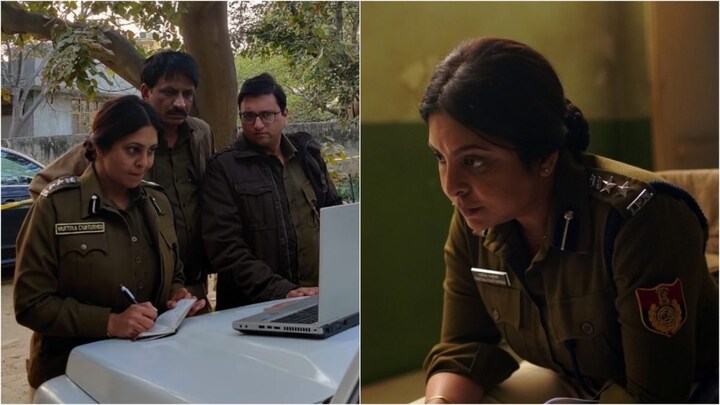
Celebrating a Milestone with a Visual Diary
Shefali Shah uploaded a curated album that showcases moments rarely seen by the public. The collection includes candid shots of cast members rehearsing lines, crew members adjusting lighting rigs, and spontaneous laughter that broke between intense takes. Each image serves as a reminder of the collaborative spirit that propelled Delhi Crime to become a cultural touchstone.
Accompanying the visual diary, Shefali Shah penned a caption that emphasized the lingering enchantment of the project. The message highlighted the passage of seven years since the series first premiered and affirmed that the magic created on set continues to resonate. By using the phrase “bask in its stardust,” Shefali Shah conveyed a sense of ongoing admiration for the work that has since become part of her artistic identity.
Rasika Dugal Joins the Celebration with Complementary Snapshots
In parallel with Shefali Shah’s tribute, Rasika Dugal contributed her own set of behind‑the‑scenes photographs. Rasika Dugal’s post featured a series of images captured between formal takes, showcasing the meticulous preparation that underpinned each episode. The caption accompanying Rasika Dugal’s images read, “In‑between shots from a story we carried with care,” underscoring the collective responsibility felt by the ensemble.
The dual releases from Shefali Shah and Rasika Dugal provided a holistic glimpse into the atmosphere that defined the production of Delhi Crime. Where Shefali Shah’s album highlighted the emotional resonance of the narrative, Rasika Dugal’s contribution emphasized the technical precision and disciplined focus required to translate a real‑world tragedy into a compelling visual narrative.
Character Portraits: IPS Vartika Chaturvedi and ACP Neeti Singh
Within the narrative framework of Delhi Crime, Shefali Shah portrayed the determined officer IPS Vartika Chaturvedi, a figure whose investigative tenacity became a hallmark of the series. Rasika Dugal, meanwhile, inhabited the role of ACP Neeti Singh, a senior officer whose strategic oversight complemented the on‑ground work of IPS Vartika Chaturvedi. Both characters have endured across three seasons, each season expanding the depth and complexity of their respective arcs.
The sustained presence of IPS Vartika Chaturvedi and ACP Neeti Singh across multiple installments has allowed the series to explore nuanced perspectives on law enforcement, trauma, and societal accountability. The portrayals by Shefali Shah and Rasika Dugal have been praised for their authenticity and emotional gravitas, reinforcing the series’ reputation for thoughtful storytelling.
Reflections on the Third Season: A Journey of Fear, Compassion, and Empathy
When the third installment of Delhi Crime arrived, Shefali Shah opened up about the visceral reaction experienced during its release. She described an overwhelming sense of terror that accompanied the new portrayal of IPS Vartika Chaturvedi. In a candid social‑media statement, Shefali Shah explained that this season required the character to embody a heightened blend of pain and anger, yet channel those emotions into an unwavering pursuit of justice.
Shefali Shah emphasized that the third season demanded a shift from overt displays of fury toward a more measured response rooted in compassion and empathy. The nuanced performance called for an internal balancing act: delivering strength and resolve while maintaining a humane connection to the victims. By articulating this internal struggle, Shefali Shah illuminated the deliberate artistic choices that shaped the final episode.
Audience Reception and Personal Validation
Beyond the creative challenges, Shefali Shah expressed uncertainty regarding audience perception of her refined approach to IPS Vartika Chaturvedi. Upon reading the critical reviews, Shefali Shah reported a profound sense of relief and joy, describing the experience as “weeping with relief.” The positive feedback confirmed that the intended emotional resonance successfully reached viewers, validating the artistic risk taken in the third season.
The shared sentiment among fans and critics alike highlighted the series’ continued relevance and the effectiveness of its evolving narrative strategies. The emotional conviction displayed by Shefali Shah, combined with Rasika Dugal’s unwavering support, reinforced the collaborative ethos that has defined the series from its inception.
Enduring Legacy of Delhi Crime
Seven years after its initial release, Delhi Crime remains a benchmark for socially conscious storytelling within Indian television. The series’ capacity to maintain cultural relevance is reflected in the ongoing enthusiasm of its audience, as evidenced by the recent behind‑the‑scenes tributes from Shefali Shah and Rasika Dugal. The sustained interest underscores the profound impact that well‑crafted narratives can have on public discourse.
Both Shefali Shah’s reflections on the series’ lasting influence and Rasika Dugal’s visual documentation reinforce the idea that Delhi Crime continues to inspire dialogue about systemic challenges, justice, and human resilience. The collaborative effort of the cast, crew, and creative team has cemented Delhi Crime’s place in contemporary media history.