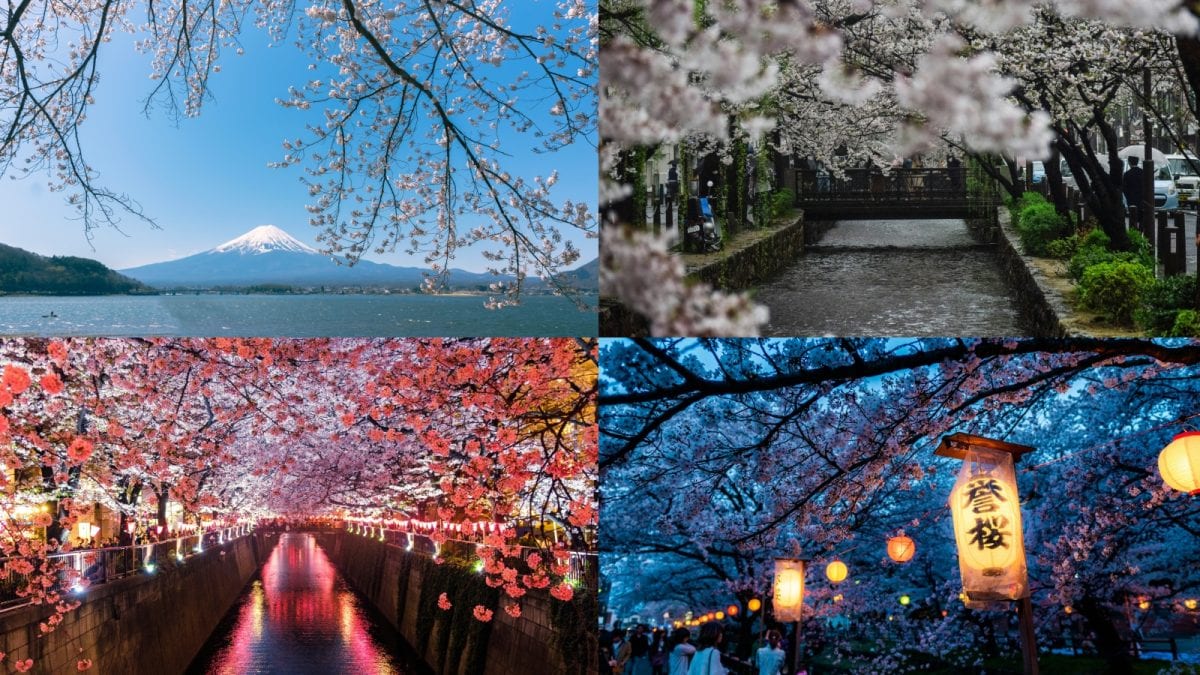
Cherry blossom season transforms Japan each spring, with sakura blooming in Tokyo, Kyoto, Osaka, filling parks with hanami picnics.
Honestly, the first time I saw sakura in full swing, it felt like stepping into a dream that had been painted with water‑colours. The air was soft, the streets were quiet‑ish despite the usual hustle, and everywhere you turned there were these gentle pink clouds hanging from branches. I remember standing in a Tokyo park, clutching a simple sandwich, and watching an elderly couple share a tea set under the blossoms. It reminded me of the way we in India set up a small mat under a mango tree during summer evenings for a family dinner – the same feeling of nature becoming a living living room.
In most cases, the cherry blossom season, locally called hanami, is not just about looking at pretty flowers. It is a cultural moment where people actually pause their daily grind to appreciate the fleeting beauty of life. The idea of ‘mono no aware’ – a gentle sadness for the impermanence – is something you can sense in the smiles of strangers as they snap photos, in the soft chatter of children chasing petals, and in the quiet moments when a lone photographer sits still, waiting for the perfect light.
Tokyo: The Urban Blossom
Tokyo is a massive city, you know, with traffic that never stops, but during sakura the vibe changes. I walked through Shinjuku Gyoen, a huge garden that feels like a Green island in the concrete sea. The paths there are lined with rows of cherry trees, and when they bloom, the whole walkway becomes a tunnel of pink. I could hear the faint hum of the city in the background, but it was like a distant soundtrack – the main focus was the soft rustle of petals falling like gentle snow.
One afternoon, my friend from Delhi suggested we bring some pakoras and masala chai for a little hanami picnic. We spread a blanket on the grass, placed the plates, and just watched families arrive with colourful blankets, baskets of onigiri, and lots of laughter. It felt familiar, almost like the way we gather at a local park during the Holi festival, only the colours were pink and white, and the music was a soft strum of a shamisen rather than dhol beats.
What struck me most was the mix of old and new. Right beside us were people in business suits, laptops open, trying to get a bit of work done while surrounded by blossoms. Meanwhile, nearby a group of school kids were practicing a short dance routine under the trees. That contrast reminded me of how in Bangalore, you can see a tech conference happening right next to a street vendor selling fresh coconut water – the two worlds co‑exist peacefully.
Practically speaking, getting around was smooth because the city set up extra trains and buses for the hanami crowds. I took note of the small signs in English and Japanese instructing visitors to keep the park clean – a reminder that the respect for nature is a shared responsibility, something we also practice during Indian festivals by cleaning public spaces before celebrations.
Kyoto: The Historic Petal Path
When I arrived in Kyoto, I expected a quieter experience. The city is known for its temples, tea houses, and traditional wooden lanes, so I imagined sakura adding a subtle touch rather than a grand display. But it turned out that the blossoms there are almost reverent, as if they are part of the ancient scenery themselves.
The Philosopher’s Path, a stone walkway running alongside a canal, became a living gallery of pink and white. I walked slowly, sometimes stopping to read the names of the trees etched on wooden plaques. The atmosphere felt meditative, like when we sit by the Ganges during sunrise, watching the water flow and feeling a deep sense of calm.
One evening, I joined a small group of locals who were performing a tea ceremony under a canopy of cherry blossoms. The host, a woman in a simple kimono, explained that the tea is best enjoyed when the surroundings are in harmony with nature. She poured the tea with graceful movements, and the steam rose like tiny clouds merging with the falling petals. It reminded me of the way we in India often enjoy chai in the courtyard of a house while the monsoon rains tap on the roof – it’s a shared moment of warmth and nature.
Kyoto’s parks, like Maruyama and the area around Kiyomizu‑dera, were filled with families and tourists lounging on tatami‑style mats, sharing sushi rolls and bento boxes. The children would run around, chasing the petals, their laughter echoing between the ancient shrines. Even the monks seemed to smile, pausing their chants to admire the fleeting beauty.
On a practical level, Kyoto had special night‑time illumination of the cherry trees – called yo‑zakura. The soft lantern lights made the petals glow like delicate fireflies. It was a sight that made me think of the Diwali lights that turn even the darkest night into a festival of sparkle. The experience was quiet, respectful, and truly unforgettable.
Osaka: The Lively Blossom Celebration
Osaka, on the other hand, took the sakura celebration to a more energetic level. The city’s reputation for food, humour, and friendliness showed clearly in the way people gathered in Osaka Castle Park. The castle itself, with its imposing tower, stood proudly amidst a sea of pink, creating a striking contrast that felt almost cinematic.
Here, the hanami picnics turned into mini‑festivals. I saw people setting up elaborate spreads: grilled yakitori, takoyaki balls, okonomiyaki pancakes, and even a few bowls of ramen. The smell of these dishes mingled with the fresh scent of blossoms, creating a unique aroma that was hard to describe but instantly comforting.
There were also street performers – a group of musicians playing traditional shamisen while another group performed comedic skits that had the crowd laughing loudly. It reminded me of how, during Navratri, local groups perform garba in the streets, bringing together music, dance, and community spirit.
A friend from Mumbai who visited with me mentioned how Osaka’s approach reminded her of the Ganesh Chaturthi celebrations in Mumbai, where streets fill with idols, music, and food stalls. Both events share a note of collective joy, where the city itself becomes a stage for celebration.
From a logistics point of view, the Osaka metro ran extra services, and the park staff put out waste bins with clear signs, encouraging everyone to keep the area tidy. The public participation in cleaning up after the picnics was impressive – it felt similar to the community clean‑up drives we organise after large Indian festivals.
Personal Reflections and Takeaways
Honestly, spending a few days moving from Tokyo to Kyoto and then Osaka during sakura season gave me a new appreciation for how a simple natural event can shape an entire culture. The cherry blossom isn’t just a flower; it’s a reminder of life’s fleeting moments, a catalyst for people to pause, connect, and enjoy the present.
In most cases, the experience also taught me how similar the Japanese hanami is to many Indian traditions – whether it’s a family picnic under a mango tree during summer, a gathering at the beach for a monsoon prayer, or a communal feast during festivals. The underlying human need to celebrate nature’s gifts is universal.
One quirky observation I made was the way people in Japan would politely ask for space when the park got crowded, stepping aside to let others take a better view. It reminded me of the Indian habit of moving aside in a crowded train to make room for seniors. Small gestures, but they speak volumes about respect and community.
Another small detail – the way the Japanese used tiny wooden or paper lanterns to light up the trees at night. It felt like the Diwali diyas back home, tiny lights fighting darkness, bringing a sense of hope. I wish more Indian parks could adopt such subtle illumination during evenings; it would add a calm charm to our own evenings.
Overall, the sakura season is a perfect blend of natural beauty, cultural depth, and simple human joy. If you ever get the chance, pack a small blanket, a basket of snacks, and head to any park in Japan during spring. You'll find yourself surrounded by strangers who become friends under a pink sky, sharing stories, food, and the quiet understanding that beauty, however brief, is worth celebrating.