Vishu is seen as the New Year in Kerala, even though Chingam officially starts the Malayalam calendar
When I was a kid, my grandparents would tell me about the excitement that filled the house just before the first sunrise of Vishu. The whole neighbourhood seemed to buzz with the promise of a fresh start. Yet, when I looked at school textbooks, they told me that the Malayalam calendar actually begins with the month of Chingam. This apparent clash between what we feel and what the calendar says has always fascinated me, and over the years I’ve discovered that there’s a whole story behind itone that blends history, astrology, agriculture and a dash of cultural stubbornness.
How the Malayalam calendar got its first month the story of Kollavarsham and Chingam
According to historians, the Malayalam calendar, also known as Kollavarsham, was formally introduced around 825 CE. At that time, scholars and local rulers decided to set Chingam as the first month of the year. This decision was recorded in ancient copper plates and has been followed ever since for official and administrative purposes. So, technically, if you open any almanac, you’ll see that the year begins with the month of Chingam.
But here’s the thing: Vishu had already been a part of Kerala’s seasonal rhythm long before anyone ever wrote down the name Chingam. Farmers had been watching the skies, feeling the change in temperature, and marking the day when the sun entered a favourable position for sowing. The very name “Vishu” comes from the Sanskrit word “Vishukama,” meaning “the start of a new cycle.” It’s like how we call the first day of the Gregorian calendar “New Year’s Day,” even though other cultures have their own “new years” based on harvests or solstices.
Why Vishu felt like a new beginning for the people the agricultural angle
Astrology expert Raveendran Kalarickal explained to the Malayali news website Manorma that Vishu aligns with the spring equinox period. This is precisely the time when the sun moves into the zodiac sign of Aries, which, in traditional farming lore, indicated the start of sowing and ploughing. The fields that had been lying fallow during the monsoon were ready to be turned over, and the first rays of the sun were considered an omen of a good harvest.
In most cases, families would wake up early, perform the Vishu Kani ritualwhere they set up a tray with items like rice, fruits, gold, and a mirrorand then head out to the fields. The sight of the sun’s first rays reflected in the mirror symbolised wealth and prosperity for the coming year. This simple yet powerful act made Vishu feel like a genuine reset button for agrarian communities.
What happened next is interesting: even as the administrative calendar shifted to Chingam, people kept celebrating Vishu as the start of their agricultural year because it was tied to the very land they depended on.
The cultural glue that kept Vishu’s New Year status alive
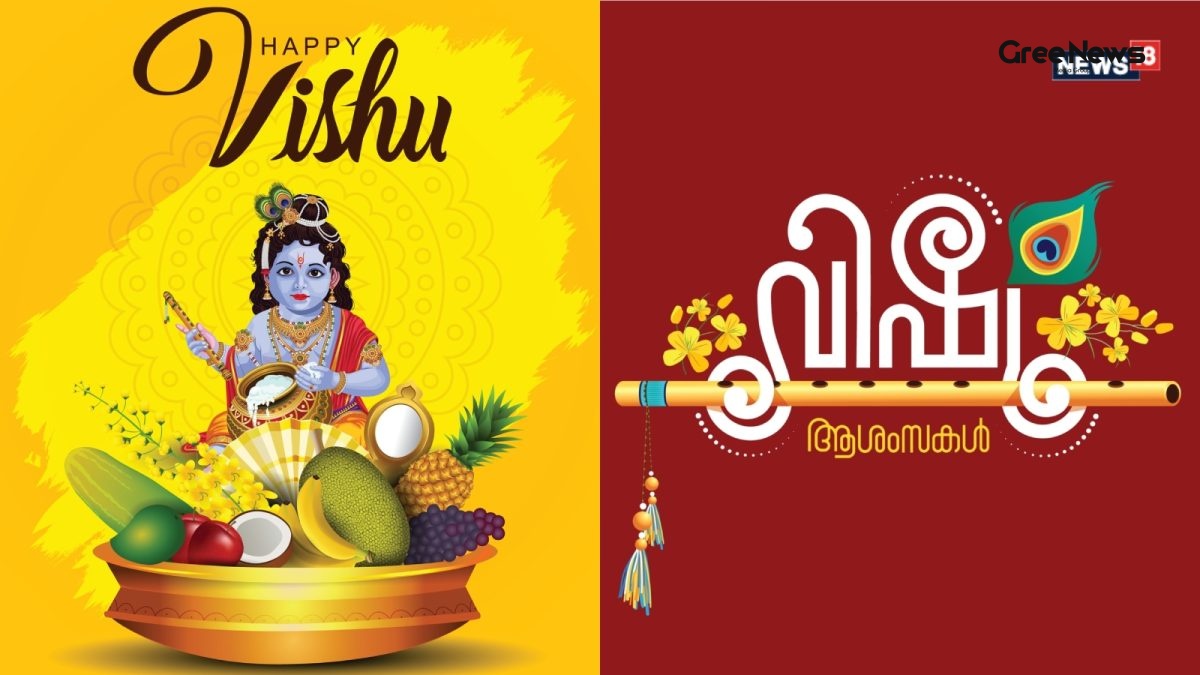
The ritual of Vishu Kani is not just about looking at a mirror. It’s a whole tableau of prosperity: golden mangoes, coconut, rice, a lit lamp (the traditional ‘vilakku’), and sometimes even a small idol of Lord Krishna. The moment the first light hits this arrangement, families proclaim “Vishu Ashamsakal!” and exchange gifts.
Even today, you’ll see families preparing the Kani tray the night before, carefully arranging each item, because the belief is that the first thing you see in the new year determines the tone of the rest of the year. This cultural practice has a magnetic pullpeople love the visual spectacle, the delicious sweets like “adiyappam,” and the sense of starting fresh.
Because of these rituals, Vishu didn’t just stay a farmer’s calendar; it seeped into every aspect of life, from school celebrations to corporate announcements. In fact, many “breaking news” headlines in Kerala each year highlight the biggest Vishu events, making it a part of “latest news India” coverage during the season.
Kerala isn’t the only state that celebrates a seasonal new year in April
When you start looking at the map of India, you’ll notice a pattern: numerous states have festivals around the same time that mark the start of a new agricultural cycle. Tamil Nadu celebrates Puthandu, Assam has Bihu, Punjab observes Baisakhi, and even the northeastern state of Manipur marks Sajibu Cheiraoba. All these festivals share a common threadthey signal the beginning of the sowing season.
Many people were surprised to learn that these celebrations, though geographically spread, are all linked by the same celestial eventthe sun’s entry into Aries. This is why you’ll often find articles about Vishu trending alongside news about Bihu or Baisakhi in “viral news” feeds across the country.
So, while Chingam is the official start of the Malayalam calendar, Vishu remains a cultural and agricultural New Year that resonates not just in Kerala but across the sub‑continent.
How modern media and the internet have reshaped Vishu’s reach
In the age of smartphones, you’ll see “Vishu” popping up in every “trending news India” feed during the month of April. Social media platforms are flooded with videos of people arranging their Kani trays, kids playing with fireworks, and families sharing wishes. This online buzz doesn’t just stay in Kerala; people from other states, and even NRIs, tune in to watch the live streams of Vishu celebrations from temples in Thrissur or Kozhikode.
Because of this digital amplification, Vishu has turned into a kind of “viral news” phenomenon each year. Advertisers capitalize on the excitement, and you’ll see grocery brands launching special “Vishu packs” just as you see “India updates” about the festival on news portals. The festival’s visibility has grown so much that even tourists now plan trips to Kerala specifically to experience the Vishu Kani and the festive atmosphere.
What’s fascinating is how this modern exposure has fed back into the traditional belief system. Younger generations, who might have otherwise ignored the old customs, now participate because they see their peers sharing it online. The cycle of cultural reinforcement continues, making Vishu a living, evolving tradition.
Personal reflections why Vishu still feels like the true New Year for me
Honestly, every time the first sunrise hits the Kani tray, I feel a shiver of excitement that I can’t quite explain. It’s not just about the bright lamp or the mirror; it’s the collective memory of my grandparents, the smell of fresh banana leaves, and the hope that the year ahead will be as bright as that first glow.
Even when I work in a metropolitan city and the office calendar says the year started in January, I still mark Vishu on my personal diary. It reminds me of the fields my family once owned, the monsoon rains, and the endless chatter of neighbors discussing the best dates for sowing. That mix of nostalgia and cultural identity is what keeps Vishu alive, despite Chingam’s official status.
Many people were surprised to learn that the love for Vishu goes beyond the religious aspect; it’s also a celebration of nature’s cycles, a reaffirmation of community ties, and a reminder that the stories we inherit are as important as the dates on a calendar.
Conclusion Vishu’s place in the tapestry of Indian New Years
To sum it up, Vishu stands as a testament to how cultural practices can outlive administrative decisions. While Chingam marks the beginning of the Malayalam calendar on paper, Vishu continues to be the heart‑beat of Kerala’s New Year celebrations, rooted in agrarian rhythms, astrological calculations, and centuries‑old rituals.
Seeing Vishu mentioned alongside other regional festivals in “latest news India” articles only reinforces its status as a shared seasonal marker across the country. Whether you follow it for its cultural depth, its agricultural roots, or simply because it makes your heart lighter, Vishu remains a vibrant, living traditionone that bridges the past and the present, and keeps the spirit of renewal alive every April.