Your Office Dabba Gets an AI Upgrade, Transforming How India Eats at Work
Artificial intelligence is quietly but powerfully re‑engineering the way meals are planned, prepared, and served inside Indian office spaces, turning a routine lunch break into a data‑driven, personalized experience.
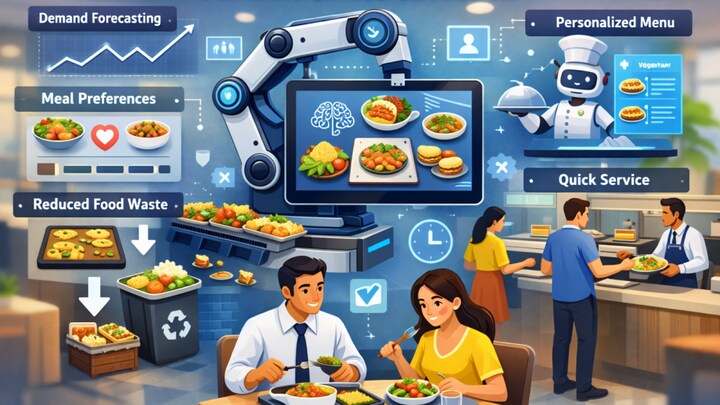
From Predictable Lunches to Intelligent Food Services
For many years the typical office dabba followed a simple pattern: home‑packed meals, a quick order from a nearby vendor, or a selection from a static cafeteria menu. The experience was functional, often repetitive, and left little room for variety or nutritional nuance. In recent months, that static landscape has begun to shift. Artificial intelligence is no longer a futuristic concept reserved for high‑tech laboratories; it has moved into break‑rooms and kitchen counters, silently steering every step of the dining journey. The change is not merely cosmetic; it is rooted in the ability of algorithms to predict demand, customize offerings, and optimize resource allocation.
The transformation can be compared to the evolution of retail: where once a single price tag hung over every product, now dynamic pricing and personalized recommendations dominate. In the same vein, office cafeterias are adopting an ecosystem model that reads employee preferences, anticipates peak service times, and adjusts cooking volumes in real time. This shift reduces the friction that traditionally plagued lunchtime service, such as long queues and food shortages, while simultaneously elevating the overall quality of the meal experience.
From Fixed Meals to Smart Dining
What began as a one‑size‑fits‑all approach is now evolving into an agile, responsive service that mirrors the flexibility of today’s on‑demand food platforms. The core of this evolution lies in the deployment of AI‑driven demand‑forecasting models that ingest historical consumption data, track real‑time ordering patterns, and factor in external influences such as seasonal ingredient availability. By processing these variables, the system can generate precise estimates of how many portions of each dish are required for any given lunch period.
Sandipan Mitra, CEO & Co‑founder, HungerBox, notes that the adoption of such predictive tools enables kitchen staff to fine‑tune their preparation schedules, thereby reducing over‑production and minimizing the volume of edible waste that would otherwise be discarded. Sandipan Mitra emphasizes that the real value of the technology lies not only in waste reduction but also in fostering a smoother, more predictable service flow during the busiest moments of the workday. When the algorithm signals a surge in demand for a particular cuisine, kitchen teams can allocate additional cooking stations and staff, ensuring that the line moves faster and that customers receive fresh, hot meals without unnecessary delay.
Beyond logistical efficiency, the AI framework continually learns from each transaction. As employees make choices—opting for spicy curries, opting for plant‑based bowls, or gravitating toward lighter salads—the system updates its preference matrix. Over time, this feedback loop reshapes the menu itself, phasing out items that generate low interest and introducing new dishes that align with emerging tastes. The result is a cafeteria that feels less like a static buffet and more like a curated dining experience tailored to the collective palate of the workforce.
Your Lunch, Your Algorithm
The era of a single, predetermined lunch offering is receding rapidly. Instead, artificial intelligence is turning office meals into a dynamic, multi‑brand marketplace that closely resembles the variety available on external food‑delivery platforms. Yash Madhani, Head of Growth, Rebel Foods, describes this shift as a move from pure convenience toward a moment of choice and culinary exploration within the workplace.
Yash Madhani explains that AI analyzes a variety of data points—such as time of day, prior ordering history, and even macro‑trends in regional cuisine popularity—to surface suggestions that feel both relevant and inspiring. For an employee who typically orders a hearty dal‑rice combo in the early afternoon, the system may propose a lightly spiced millet bowl with seasonal vegetables when it detects a pattern of health‑focused selections during the same period. Conversely, on days marked by high stress, the algorithm might highlight comfort‑oriented dishes that have historically lifted morale across the office.
The personalization engine operates at scale, delivering these tailored recommendations to hundreds or thousands of employees simultaneously, while preserving the speed and consistency required in a bustling corporate environment. This level of customization empowers staff to make informed food choices that reflect both their taste preferences and nutritional goals, all without sacrificing the efficiency that an office lunch demands.
The Data Behind Your Plate
Behind every menu suggestion and every kitchen prep schedule lies a sophisticated lattice of data analytics. Artificial intelligence does more than simply recommend dishes; it redefines the operational backbone of the cafeteria. L. Muralikrishnan, Co‑founder & CMO, Wow! Momo Foods Pvt Ltd., observes that the modern office dining experience has become intensely data‑driven, with AI engines delivering granular insights into consumption rhythms, peak service windows, and shifting flavor preferences.
L. Muralikrishnan points out that these insights enable food brands to orchestrate production planning with a high deGree of precision. By knowing exactly how many units of each item will be required, manufacturers can calibrate ingredient procurement, streamline assembly lines, and reduce the lag between order placement and food delivery. The iterative feedback loop—where real‑time sales data feeds back into the forecasting model—ensures that the system continuously improves its accuracy, resulting in fewer stock‑outs and less surplus.
For corporate cafeterias, this data‑centric approach translates into a menu that evolves in lockstep with employee desires. The system monitors which dishes enjoy high repeat purchase rates, which flavors gain traction during seasonal festivals, and which items see declining interest. Armed with this intelligence, menu curators can rotate offerings, introduce limited‑time specials, and retire underperforming items without relying on guesswork or anecdotal feedback.
Why This Matters More Than It Seems
At first glance, the infusion of artificial intelligence into office cafeterias might appear to be a premium upgrade reserved for tech‑savvy corporations. However, the consequences of this shift extend well beyond the confines of a single break room. The most immediate benefit is a marked reduction in food waste. When kitchens prepare precisely the quantity needed—thanks to the predictive calculations provided by artificial intelligence—there is less surplus that would otherwise be discarded, leading to environmental and cost savings.
In addition to waste reduction, the nutritional profile of meals improves. Because the algorithm aligns dish availability with demonstrated dietary preferences, employees are more likely to receive options that satisfy both taste and health considerations. This alignment can help foster better eating habits across the workforce, contributing to overall employee well‑being and potentially reducing absenteeism linked to poor nutrition.
Speed of service also receives a noticeable boost. By anticipating peak ordering periods, the system allocates staff and cooking resources proactively, resulting in shorter queues and faster plate turnover. For employees juggling tight schedules, the ability to obtain a freshly prepared meal in a matter of minutes can make a meaningful difference in daily productivity.
Finally, the variety of cuisine on offer expands dramatically. Traditional office cafeterias often limit themselves to a narrow set of dishes due to constraints in demand forecasting and supply chain management. With artificial intelligence providing clarity on what will be popular, kitchens feel confident introducing a broader array of regional and international dishes, thereby enriching the cultural tapestry of the workplace.
The Future of the Office Lunch
The humble dabba, once merely a vessel for sustenance, is evolving into a sophisticated experience shaped by data, technology, and personal preference. While the changes unfolding today may seem subtle—adjusted portion sizes, slightly shorter wait times, a few new menu items—the underlying infrastructure is setting the stage for a future in which the lunch break feels as intuitive as a recommendation from a favorite food‑delivery app.
Looking ahead, the integration of artificial intelligence could enable even deeper personalization, such as real‑time health monitoring that suggests meals aligned with an individual's biometric data, or the use of augmented reality interfaces that allow employees to visualize dish ingredients before ordering. Though these possibilities reside on the horizon, the present groundwork—established by the efforts of Sandipan Mitra, HungerBox; Yash Madhani, Rebel Foods; and L. Muralikrishnan, Wow! Momo Foods Pvt Ltd.—provides a robust foundation for continued innovation.
In a country where concerns about food waste and workplace efficiency dominate public discourse, the smart cafeteria model emerges as a compelling answer. By harnessing artificial intelligence to reconcile the needs of employees, the operational imperatives of food providers, and the environmental goal of minimizing waste, office dining is poised to become a model of sustainable, high‑quality service.
In essence, the 1 pm meal break is undergoing a quiet revolution. As algorithms learn, adapt, and anticipate, the office dabba will no longer be a generic box of leftovers but a thoughtfully curated meal that knows the eater as well as any popular delivery platform does. The future, it seems, is already being served—one algorithmically optimized plate at a time.