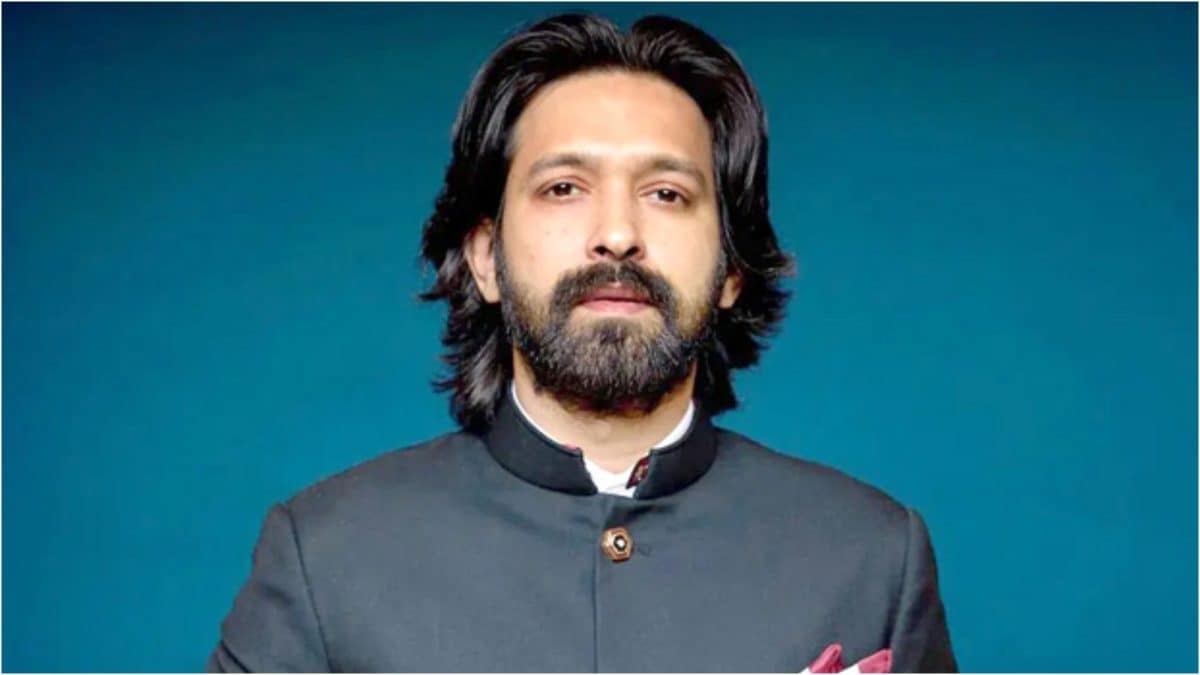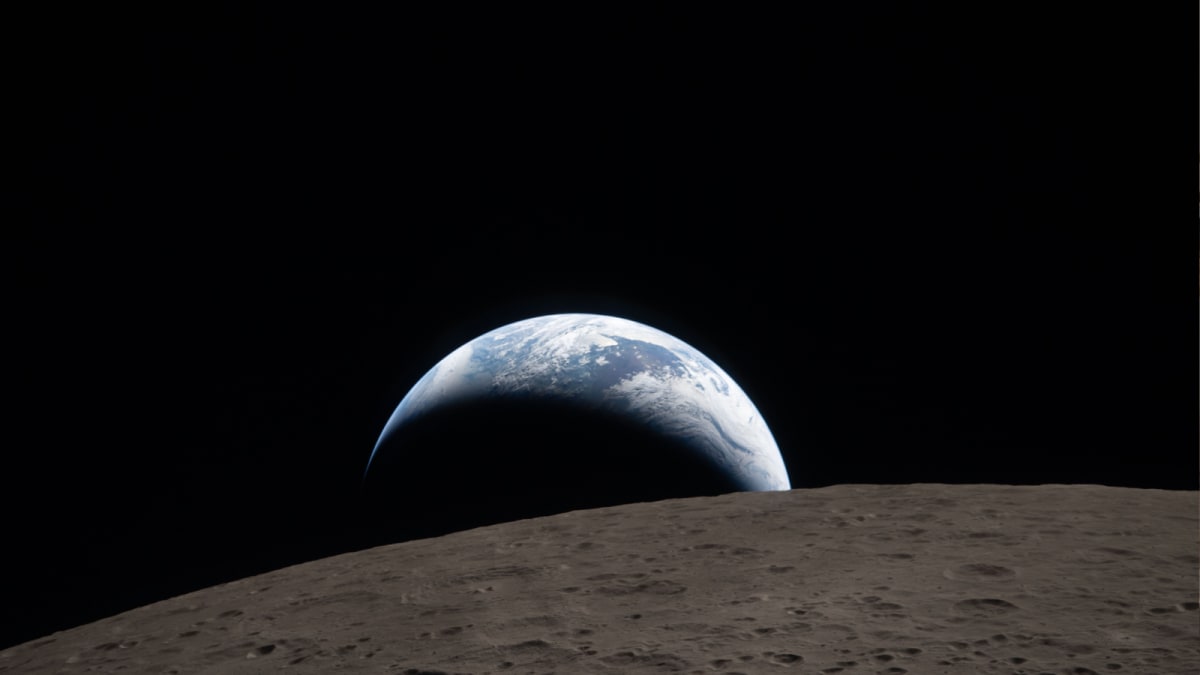
Wiseman said the solar eclipse, watched from deep space, left a physical impression that hadn't faded.
With less than two days left before the crew will plunge back through Earth’s atmosphere and splash down in the Pacific Ocean, the four astronauts – Wiseman, Glover, Koch and Hansen – are feeling a mix of excitement and a sort of quiet wonder. It is not just the fiery re‑entry that seems daunting; it is also the task of making sense of everything that has happened on this historic trip around the Moon.
Glover said, “I haven’t even begun to process what we’ve been through. We’ve still got two more days and riding a fireball through the atmosphere is profound as well. I’m going to be thinking about and talking about all of these things for the rest of my life.”
Wiseman echoed that feeling, adding, “Human minds should not go through what these just went through. It is a true gift. And we have a lot that we just need to think about and journal and write and then we’ll get the full feeling of what we just went through.”
The four astronauts – Wiseman, Glover, Koch and Hansen – have set a fresh record for the farthest distance a human has travelled from Earth, beating the mark that the Apollo 13 crew set back in 1970. Over the ten‑day mission they snapped thousands of photographs, logged countless observations and made notes that will keep scientists busy for months.
Of Chills And Sweating Palms
Wiseman said the solar eclipse that they saw from deep space left a physical impression that hadn’t faded.
“I’m actually in chills right now just thinking about it, my palms are sweating,” Wiseman said.
Hansen, the first non‑American to travel to the Moon, talked about seeing things on the lunar far side that “just never even imagined.”
But the view also pulled his thoughts back to home. “We live on a fragile planet in the vacuum and the void of space. Our purpose on the planet as humans is to find joy and lift each other up by creating solutions together instead of destroying. When you see it from out here, it doesn’t change it. It just absolutely reaffirms that,” Hansen said.
In many ways that feeling reminded me of sitting on a rooftop in Delhi during a monsoon, watching the city lights flicker through heavy rain. The world feels huge and tiny at the same time, and you realise how precious every breath is.
Close Like Brothers And Sisters
Koch said the memory she will carry longest isn’t a visual one but a feeling. When asked what she would miss about life in space, she talked about camaraderie without hesitation.
“I will miss being this close with this many people and having a common purpose. This sense of teamwork is something that you don’t usually get, like, as an adult. I mean we are close like brothers and sisters. That is a privilege we will never have again,” Koch said.
Thinking about it, the bond felt a bit like the way a group of friends share a cramped Mumbai local train compartment during rush hour – you’re all packed together, you have each other’s backs, and you end up sharing jokes that stick with you long after the journey.
What the Journey Felt Like, Step By Step
When Wiseman first left Earth’s atmosphere, the silence was almost deafening. “It felt like standing on a balcony in a high‑rise building, watching the city below shrink into a tiny carpet,” Wiseman said. He compared it to watching a cricket match from the stands and suddenly seeing the whole field from the roof – the perspective changes everything.
Glover talked about the moment the spacecraft turned around the far side of the Moon. “It was like driving through a tunnel in the Himalayas and then emerging into a wide open valley, except the tunnel was endless darkness and the valley was a luminous glow from Earth far behind us,” Glover explained.
Hansen described the first time he saw the lunar far side with his own eyes. “It was not just a barren rock; it was a whole new world that you can’t see from Earth. The shadows there were deeper than any night in the Thar desert. It made me feel small and huge at the same time,” Hansen said.
Koch added that the tiny moments – like hearing the whirr of the spacecraft’s fans, the smell of the air scrubbers, or the way the lights flickered during a routine check – reminded her of everyday Indian life. “It’s like the sound of a chulha in a kitchen, or the hum of a ceiling fan on a hot day,” she noted.
Why This Mission Matters Back Home
For many people in India, looking up at the night sky has always been part of festivals like Diwali or the kite‑flying celebrations on Makar Sankranti. Seeing Wiseman, Glover, Koch and Hansen travel farther than anyone before gives a new kind of pride, like when an Indian student wins a global scholarship.
Hansen said the mission showed that collaboration transcends borders. “When you have a Canadian, an American and an Indian working side by side, it reminds the world that science doesn’t belong to any one nation,” Hansen said. He added that such teamwork can inspire Indian engineers, just like the way a local mechanic becomes a hero after fixing a rickshaw that won a race.
Wiseman reflected on the responsibility that comes with this achievement. “We carry the hopes of many children who dream of a career in space, whether they are studying in Bangalore, Chennai or a small town in Madhya Pradesh,” Wiseman said. This feeling of duty is similar to a farmer who knows his crop will feed an entire village.
Preparing for the Fiery Return
As the spacecraft begins its final approach back to Earth, the crew is performing a series of checks that feel both routine and extraordinary. “We run through the checklist like we would check a bus ticket before boarding a long journey,” Glover said, laughing. “Only our ticket is a heat shield that will melt away like a Ganesha idol in the puja fire.”
Koch reminded herself to stay calm during the high‑G re‑entry, comparing it to the feeling when a bus climbs a steep hill in the Western Ghats – the body pushes back, but you keep going because the destination is worth it.
Hansen is already thinking about the splash‑down in the Pacific and the media frenzy that will follow. “I can already hear the news anchors shouting about us, just like the crowd cheering when a local cricket team wins a match,” Hansen said.
Wiseman said the final two days will be a blend of intense focus and quiet moments of gratitude. “I have my journal ready, my pen, and the thought that I will look back at this experience while sipping a cup of masala chai back home. That thought keeps me steady,” Wiseman added.
Looking Ahead – What Comes After Artemis II?
The crew hopes that their story will spark future missions, not just for NASA but for Indian agencies like ISRO as well. “When I think of the next step, I imagine Indian scientists building their own lunar rover, just like a kid building a model rocket from a kit,” Hansen said.
Glover believes the data they collected will help pave the way for a permanent human presence on the Moon. “It’s like planting a sapling in a garden; you water it, nurture it, and someday it becomes a big tree that gives shade to many,” Glover explained.Koch stressed that the emotional side matters too. “We need to keep the spirit of teamwork alive, because without it even the biggest rockets cannot launch,” Koch said.
Wiseman concluded with a simple wish: “May the next generation of explorers feel the same awe, the same chills, and the same sweating palms when they look up at the night sky, just like we did.”