What’s the new rule about?
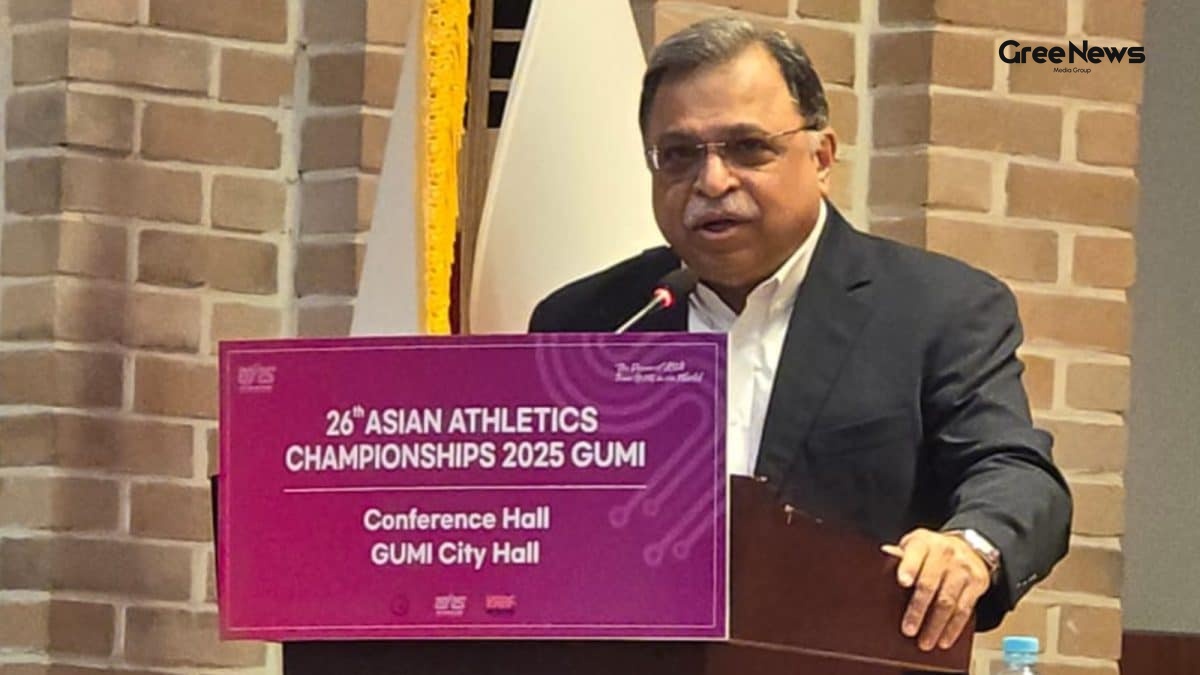
So, I was scrolling through my phone the other day, catching up on the latest news India, when a headline about the Athletics Federation of India (AFI) caught my eye. Apparently, AFI has sent out a circular to all state units, the chief coach Radhakrishnan Nair, athlete managers and sponsors, saying that no athlete can sign a commercial endorsement deal without the federation’s prior approval.
In simple terms, before you see a sprinter or a jumper’s face on a TV ad, the AFI must give a Green signal. Sounds straightforward, right? But the story behind it is anything but simple.
What’s interesting is that the circular didn’t just appear out of thin air. AFI officials claim it is the outcome of months‑long talks with athletes, coaches and other stakeholders. The official line is that this rule will curb the habit of athletes hopping from one sponsor to another and protect them from signing contracts that could be harmful in the long run.
Why AFI thinks it’s needed
Here’s where the conversation gets a bit heated. I remember watching an interview with former AFI president Adille Sumariwalla on a popular newspaper, and he didn’t hold back. He said, “We need to protect our athletes because most of our athletes are not really educated. They cannot go through a 30‑page contract, and they don’t know what they are signing.” He added that many athletes are promised big money, sign the dotted line, and later never see the cheques.
He further explained that the federation will review any endorsement deal within 23 days. If something feels fishy, AFI will step in, even footing the legal bills for the athlete. The rule does allow an athlete to go ahead against AFI’s advice, but the federation can publicly highlight any problematic clauses.
From a protective standpoint, this does sound like a good idea, especially for someone like my cousin who is an upcoming middle‑distance runner and often gets approached by unknown brands promising big sponsorships.
My take – protection or power play?
Now, I’m not a legal expert, but hearing that a governing body wants to vet every endorsement makes me wonder about freedom of choice. Since the Paris Olympics, Indian athletics has moved away from the old centralized training camps. Many top athletes now train independently, backed by private groups such as Reliance, JSW or Tata, or even the Army and Navy.
This shift gave athletes a lot more autonomy – they can decide where to train, which diet plan to follow, and which brand to represent. But with that freedom comes less oversight. That’s why the new rule feels a bit like the federation is trying to pull the reins back.
Critics say it might be less about protecting athletes and more about re‑establishing control. The rule also comes with a warning: athletes who ignore it could face disciplinary action. “Why would they not follow a rule that’s been set up? If a rule is flouted, there will be consequences,” Sumariwalla told the newspaper.
Honestly, that line gave me a bit of chills. It reminded me of the times when I was told to follow school rules, even when they seemed pointless. The difference here is that the stakes are much higher – careers, reputation and even livelihood are on the line.
How it could affect everyday athletes
Let me paint a picture: imagine a young javelin thrower from a small town who just got an offer from a local sports gear company. The deal would pay him enough to buy a bike for his daily commute. Under the new rule, before he even signs, his coach or the state unit would have to forward the contract to AFI. If the federation finds a clause that says the athlete can’t take any other offers for a year, they might flag it.
This could be a lifesaver for athletes who are not well‑versed with legal jargon. But the flip side is that the process could delay the money reaching the athlete, especially if the review takes the full 23 days.
Also, think about popular athletes who already have brand deals that run for years. They might now have to renegotiate or get a fresh nod for any extension or new clause. That bureaucracy could make them think twice before jumping onto a new sponsor.
And here’s a curiosity hook – what happened next is interesting: a few days after the rule was announced, a well‑known Indian sprinter posted on Instagram that he was waiting for AFI’s approval on a lucrative deal with a global sports drink brand. That post went viral, sparking a thread of comments from fans and fellow athletes debating whether the rule will really help or simply slow things down.
The bigger picture – control vs freedom
There’s a deeper conversation brewing. On one hand, the federation says it wants to safeguard athletes from “bad contracts.” On the other, athletes are increasingly looking for freedom to partner with brands that align with their personal values, especially in an age where social media makes personal branding a big thing.
Consider this: many Indian athletes now have huge followings on platforms like Instagram and YouTube. They often become influencers in their own right. If the federation decides what deals they can sign, that could limit the kind of content they create, affecting their digital presence – which is a major source of income nowadays.
That’s why this issue has become breaking news across sports circles, and it’s also trending on many forums where athletes share their experiences. The debate has even entered the realm of viral news, with memes comparing the rule to “parental permission slips” for grown‑ups.
Possible outcomes – what could we see?
There are a few scenarios that can play out:
- AFI could act as a true guardian, helping athletes avoid traps and ensuring they get paid on time. That would be a win for many who feel lost in the commercial world.
- Alternatively, the rule could turn into a bureaucratic hurdle, slowing down endorsement deals and making some brands think twice about signing Indian athletes, which could affect the overall funding ecosystem.
- In the worst‑case scenario, athletes might feel stifled and start looking for ways to bypass the system, leading to more disputes and potential legal battles.
Many people were surprised by how quickly the conversation moved from a simple federation circular to a nationwide discussion about athlete rights, corporate sponsorship, and even the future of Indian athletics. It’s a classic example of how a single policy can ripple through an entire ecosystem.
Conclusion – a step forward or a step back?
All things considered, the AFI’s new endorsement approval rule sits at a crossroads. It could be a genuine attempt to protect athletes who often lack the legal backing to decipher long contracts. Or it could be a move to re‑assert control over a sport that’s becoming more decentralized and commercially savvy.
From my perspective, the best outcome would be a middle path – where AFI provides clear guidelines and a quick‑turnaround review process, while still respecting an athlete’s freedom to choose sponsors that match their personal brand. Until then, the debate will keep roaring, and you’ll likely see more stories popping up in the latest news India, the trending news India feeds and across social media platforms.
For anyone watching Indian sport closely, this is one story that’s far from over. Keep an eye out – the next update could change the way our athletes navigate the commercial world.