How a Simple Screenshot Turned Into One of the Latest News India Is Talking About
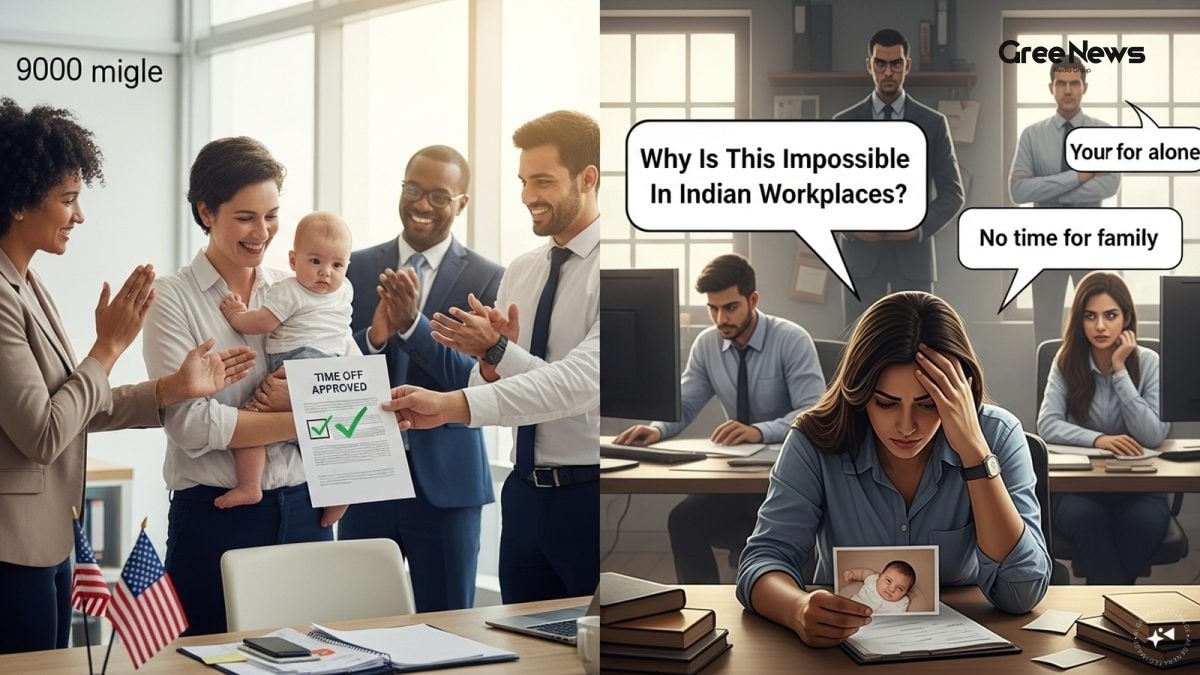
Honestly, I was just scrolling through X (formerly Twitter) during my chai break when I saw a post that instantly caught my eye. It was a screenshot of a conversation between an Indian tech employee and their manager who works out of the United States. The employee had typed a polite request to be unavailable for about three hours every day so they could look after their seven‑month‑old baby. What made it stand out was the promise to make up those hours by starting earlier or staying later. It sounded reasonable, right?
What followed was a manager’s reply that felt almost too good to be true: a simple "Sure, go ahead and block those hours on your calendar so there’s no clash with meetings." The tone was friendly, empathetic and, most importantly, practical. And just like that, the post started spreading like wildfire – it quickly became part of the trending news India feeds, appearing in countless memes, stories and even some breaking news bulletins.
Why the Manager’s Response Felt Like a Breath of Fresh Air
Reading that reply, I could almost hear my own boss’s voice – except it wasn’t the usual "we’re a family, you should work whenever we need you" vibe. Instead, the manager gave clear, actionable advice: "Block the time on your calendar." No vague promises, no hidden expectations. It reminded me of the kind of flexibility I’ve only seen in a few multinational firms, and that’s why the post sparked so much conversation.
Many netizens began sharing this as a benchmark for what a supportive leader should look like. In most cases, the comment sections were buzzing with people saying, "Finally, a boss who gets it!" The reply turned into a sort of hope‑symbol for employees across India who have been juggling long‑hour expectations with personal responsibilities.
Even the hashtags that started to pop up – #WorkLifeBalance, #EmpatheticLeadership, #IndiaUpdates – were being used by people from different cities, from Bangalore startups to Delhi BPOs. It became clear that this little exchange had tapped into a collective yearning for more humane workplace policies.
The Flood of Reactions – From Personal Stories to Cultural Critiques
As the story went viral, the comment section turned into a kind of open mic for Indian workers. One user wrote, "In many places in India, being available all the time is still seen as commitment." That line resonated with a lot of people I know, because the unspoken rule in many Indian offices is that the longer you stay, the more dedicated you appear.
Another comment that struck a chord was, "I remember being called for an emergency issue during my marriage." Imagine that – your boss calling you in the middle of your wedding ceremony! It’s a vivid illustration of how blurred the boundaries can be. A different user narrated a recent incident: "I finished all my work before time… I requested to leave at 7.40 pm because I had a train… still got yelled at." The frustration in that sentence is palpable, and it mirrors countless stories I’ve heard from colleagues who have felt penalised for trying to leave on time.
Some voices were blunt, calling out the system: "Here we are not considered as an employee, we are considered as labour." The rawness of that statement made me pause – it’s a stark reminder that for many, work feels more like a compulsory duty than a collaborative partnership.
On the flip side, a few comments tried to balance the narrative. "We in India also have great work cultures… let’s not generalise it based on isolated cases," one user urged. It’s true – there are many forward‑thinking Indian companies that already offer flexible hours, remote work and mental health days. Still, the sheer volume of the reactions suggested that the majority feel the current norm leans heavily towards over‑working.
Comparing Work Cultures – India vs. The United States
One recurring theme was the comparison with work environments abroad. A user who had experience with US managers said, "Very true. I worked with US manager; they are very chill and supportive." That comment sparked further debate about why such support seems more commonplace in Western firms. Some argued it’s because of stricter labour laws and a stronger culture of work‑life balance in the US, while others suggested it’s simply a different managerial mindset.
Interestingly, a few users pointed out that Indian managers who have moved abroad sometimes take those relaxed practices back home, but they also accused them of “spoiling the work culture in those countries too!” It was a humorous, yet pointed, way of saying cultural exchange goes both ways.
All these perspectives made the conversation feel like a mini‑panel discussion on a digital stage – each comment adding another layer to the ongoing dialogue about expectations, empathy, and the future of Indian workplaces.
My Own Take – Why This Story Resonated With Me
Personally, I could relate to the anxiety of trying to balance a demanding job with family responsibilities. A few years back, when my own sister was expecting her first child, I saw her struggle to convince her manager for a flexible schedule. She ended up working late into the night, missing baby milestones, and feeling burnt out. So when I saw a manager actually say, "Just block the time," it felt like a small victory for all of us who have been pleading for that kind of understanding.
What also caught my attention was the way people immediately started sharing similar anecdotes – it’s as if the post unlocked a collective memory. We all remembered that one time we were called in on a weekend right after a family function, or that moment when a manager’s email about “urgent” didn’t actually need a response for hours. Those shared memories made the post feel like a mirror that reflected a common, yet often unspoken, reality.
It also made me think about how digital platforms can amplify such stories. A single screenshot is now part of the viral news cycle, appearing on newsletters, corporate blogs, and even in casual water‑cooler chats. The speed at which it spread shows the hunger for stories that challenge the status quo.
Beyond The Post – What This Means For Indian Work Culture
At its core, the whole episode is a reminder that policies on paper mean little without the right attitude from leaders. The manager’s simple act of saying "yes" and providing a clear instruction turned a request into a workable solution. It is a vivid illustration of how empathy, when combined with practical steps, can reshape an employee’s experience.
For companies across India, this viral moment could serve as a case study. HR teams might start asking: "Do we have clear guidelines for flexible hours?" Managers could be encouraged to train on how to handle personal requests without making employees feel guilty. Even employees could feel more empowered to voice their needs, knowing that a supportive response can go a long way.
In the broader picture, this story adds to the ongoing narrative of work‑life balance that is slowly gaining traction in major Indian cities. With the rise of tech hubs, start‑ups and remote‑first policies, there’s a growing belief that long hours are not the only indicator of commitment. The fact that this post became trending news India indicates that many are ready for change.
Keeping The Conversation Alive – What Can We Do Next?
If you’re an employee reading this, maybe think about the kind of flexibility you need and how you could frame it constructively. If you’re a manager, consider whether a short calendar block could solve a bigger problem for your team. And if you’re part of an organisation, perhaps use this viral moment as a springboard to review your own policies.
Most importantly, let’s keep sharing our stories. The more we talk about both the good and the frustrating experiences, the more likely it is that companies will listen. After all, it’s not just about one manager’s kindness – it’s about creating a culture where such kindness becomes the norm, not the exception.
As the debate keeps rolling, I’ll be watching closely for the next piece of breaking news that pushes the needle a little further towards a more humane workplace. Until then, stay tuned, stay vocal, and remember that a tiny calendar block could be the first step toward a bigger change.