What sparked the Jana Nayagan leak controversy?
So, you might have heard about the Jana Nayagan leak while scrolling through your favourite news app – it’s been trending everywhere, from WhatsApp groups to the latest news India feeds. Basically, a chunk of the much‑anticipated film suddenly appeared online, without any official clearance. The clip carried the usual edit reference watermark, which made a lot of people wonder who leaked it. Some whispers pointed towards the post‑production stage, especially since the footage seemed to have passed through several hands before it surfaced.
Now, the first thing that popped up in many conversations was the name of the film’s editor – Pradeep E. Raghav. Since editors usually have the final cut before a film is locked, it was a natural guess for many. But here’s where the story takes a twist – the Editors’ Union has officially said that Pradeep E. Raghav had no part in this leak. They backed this claim by noting that the leaked version still had the edit‑reference watermark intact. If the editor had leaked it, the reasoning goes, he would have removed that watermark to avoid any trouble.
That little detail might sound technical, but it actually sparked a whole new round of debates. In most cases, an editor who wants to stay anonymous would scrub that watermark. So, the presence of the watermark made the union’s statement feel quite solid, especially for people who follow breaking news about Bollywood’s behind‑the‑scenes drama.
How the Editors’ Union came forward
When the leak first broke, the internet was flooded with speculation. Forums were buzzing with theories, and trending news India tags were popping up under #JanaNayaganLeak. Amid all that noise, the Editors’ Union decided to step into the limelight. Their representative posted a short note on social media, saying, “If Pradeep E. Raghav had leaked Jana Nayagan, the watermark would have been removed. The circulating version still bears the edit reference, which indicates no involvement from the editor.”
What’s interesting is that the union didn’t just defend Pradeep E. Raghav; they also hinted that the leak could have happened at the studio level. Some industry insiders suggested Annapurna Studios might be inadvertently responsible because the footage went through numerous hands during post‑production. This angle created a fresh wave of curiosity among fans – what exactly happened inside the studio walls?
People were quick to share that line – *what happened next is interesting* – because the union’s statement subtly shifted the blame away from the editor and towards the broader post‑production chain. It’s a classic case of how a single watermark can change the entire narrative of a viral news story.
KVN Productions’ reaction – a firm stance
KVN Productions LLP, the company backing Jana Nayagan, didn’t stay silent for long. Shortly after the union’s clarification, KVN Productions released a formal statement. They said, “Portions of Jana Nayagan have been illegally accessed and circulated by unidentified individuals. Every digital action leaves a traceable footprint, and we are working closely with law enforcement to identify the culprits.”
The producers also warned about the legal repercussions of piracy. In everyday Indian parlance, they basically told everyone that “if you’re thinking of sharing that clip, remember there’s a cyber‑law that can land you in trouble”. This message resonated with many netizens who see piracy as a grey area. The statement reminded people that beyond the glamour of the film industry, there are real legal consequences.
Many fans found this part of the statement a bit intense – many were surprised by the level of seriousness. Some even said they had never thought about how a simple file share could trigger a legal case. It’s a fine illustration of how a movie that was supposed to bring joy can end up creating a storm of legal and ethical discussions.
About Jana Nayagan – the film at the centre of the storm
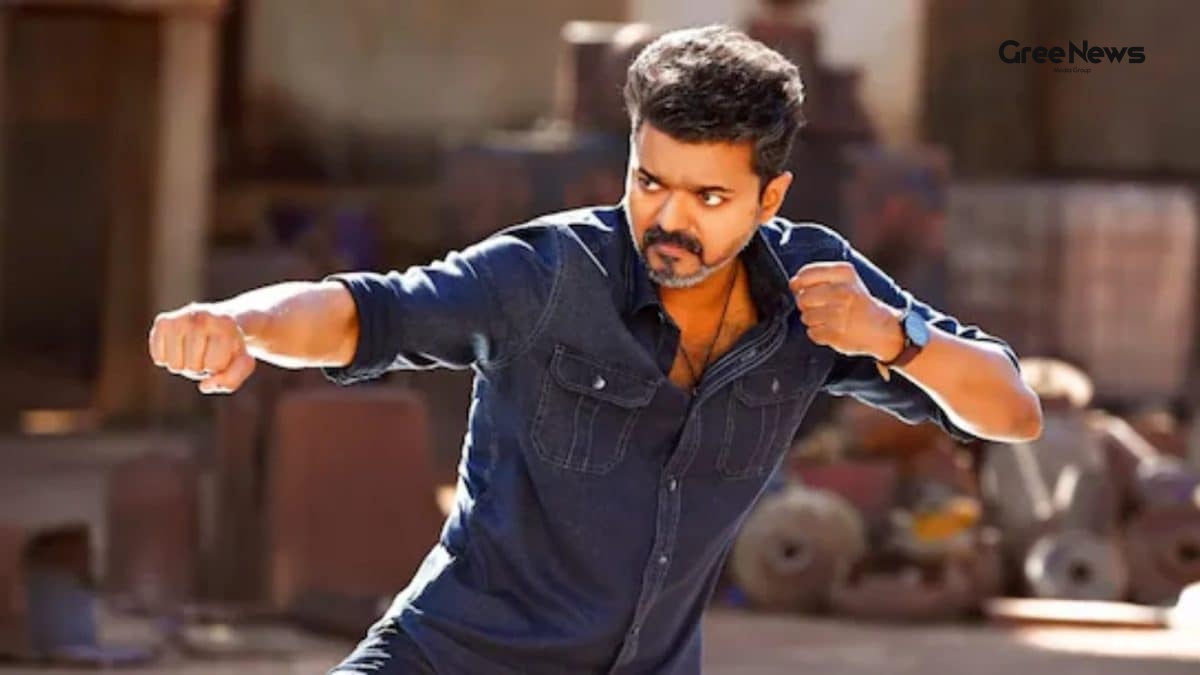
For those who might have missed the basics, Jana Nayagan is directed by H. Vinoth and produced by KVN Productions. It stars Vijay, who is set to take a big leap into politics after this film. The cast also includes Pooja Hegde, Bobby Deol, Mamitha Baiju, Gautham Vasudev Menon, Prakash Raj, Narain and Priyamani. The film was slated to release earlier this year, but the controversy around the leak and an ongoing tussle with the Central Board of Film Certification (CBFC) caused the producers to postpone the release indefinitely.
Fans across the country had been eagerly awaiting the trailer, and the leaked clip gave a glimpse – enough to get everybody talking about the film’s action sequences and the chemistry between Vijay and Pooja Hegde. That very hype turned into a meme‑fest on social media when the clip went viral. The phrase “viral news” started trending alongside the hashtag #JanaNayagan.
Because of the leak, many cinema‑goers were left hanging. A friend of mine in Delhi told me they had planned a weekend outing to watch the movie, but now they’re worried about whether the film will actually make it to theatres. That sort of personal impact is what makes a story like this more than just “breaking news”; it becomes something that affects everyday plans of regular people.
The investigation – who’s looking into it?
Since the leak happened, a few agencies have stepped up. While the exact names of the investigating teams aren’t disclosed, both the Editors’ Union and the producers mentioned that forensic experts are examining the digital trail. In most cases, such an investigation focuses on IP addresses, server logs, and any metadata that can be extracted from the leaked file.
What’s noteworthy is how quickly the investigation moved from speculation to action. Within a couple of days of the leak becoming trending news, KVN Productions announced that they had hired a cyber‑security firm. The firm’s job is to trace the source, even if the culprit tried to hide behind a VPN or a proxy. This shows that the film industry is now treating piracy with the same seriousness as any other corporate crime.
Many observers say this could set a precedent for future film productions. If the investigation proves successful, it may deter future leaks, protecting not just blockbuster movies but also smaller regional films. The whole episode has become a case study on how the Indian film industry can combat digital piracy, a topic that often pops up in India updates on tech and entertainment.
Why the watermark matters – a small detail with big consequences
Let’s talk more about that watermark. In the film world, a watermark is like a digital signature that says, “this version is for internal use only”. It’s placed on the video to remind everyone that the file is not for public distribution. When the leaked clip still had the watermark, it signalled that whoever uploaded it didn’t bother to remove it – something a professional editor like Pradeep E. Raghav would likely have done.
Because of that, the Editors’ Union used the watermark as a key piece of evidence. In most cases, an editor who wishes to leak a film might strip away any such identifiers to avoid being traced. So the presence of the watermark turned the whole speculation on its head, shifting suspicion away from Pradeep E. Raghav.
Interestingly, many netizens pointed out that the watermark looked exactly like the one used in the studio’s internal versioning system. That small visual clue made people realize how professional the film production process is, and how any breach could have wider implications for the entire post‑production workflow.
Impact on fans and the wider public
Beyond the industry drama, the Jana Nayagan leak struck a chord with everyday movie lovers. In most Indian households, a new Vijay film is a big event – families gather, street vendors set up stalls, and the entire city buzzes with excitement. The leak made many feel a sense of loss, as if someone had taken away a piece of that anticipation.
Friends in Mumbai told me they had planned a “movie night” to watch Vijay’s debut, only to cancel after hearing about the leak and the indefinite postponement. This kind of real‑life impact is why trending news India often picks up stories that blend entertainment with societal effects.
Even online streaming platforms noticed a spike in searches for “Jana Nayagan trailer” and “latest news India about Vijay”. That spike translated to more traffic on entertainment portals, showing how a single leak can drive a massive wave of curiosity – exactly what the term “viral news” captures.
Legal angles – where does the law stand?
From a legal perspective, the Indian Information Technology Act deals with unauthorized distribution of copyrighted material. KVN Productions’ warning hinted that they are ready to invoke these provisions. In most cases, such actions can lead to fines and even imprisonment, depending on the severity of the breach.
The producers also stressed that every digital footprint is traceable. This is not an empty threat – cyber‑forensics teams can often pinpoint the source of a leak, even if the initial uploader tried to stay anonymous. The phrase “digital footprints” became a trending keyword in many tech‑focused articles about the Jana Nayagan incident.
What many people don’t realize is that legal battles can stretch for months or even years. If the case goes to court, we might see a series of hearings that keep the story alive in the media, turning it into a long‑running piece of breaking news. This could also affect the film’s release timeline, pushing it further back.
What does this mean for the future of Indian cinema?
Looking ahead, the Jana Nayagan leak could be a turning point. Many producers are now more cautious, implementing stricter security measures during post‑production. Studios are even considering watermarks that are harder to remove or that embed unique identifiers per user. This could make leaks harder to happen, at least in the short term.
On the other hand, the internet’s appetite for exclusive content is insatiable. As soon as one film gets locked down tighter, another might find a way to slip through. That’s why the industry keeps warning fans: “don’t share what you see online”. It’s a balance between protecting creative work and satisfying the public’s craving for early glimpses.
For now, the conversation continues to dominate trending news India, and every new update adds another layer to the story. Whether you’re a die‑hard fan of Vijay or just an observer of how digital piracy evolves, the Jana Nayagan leak is a textbook example of how a single piece of footage can stir up a massive ripple across the entire entertainment ecosystem.