What the Iranian envoy said about tolls on Indian tankers
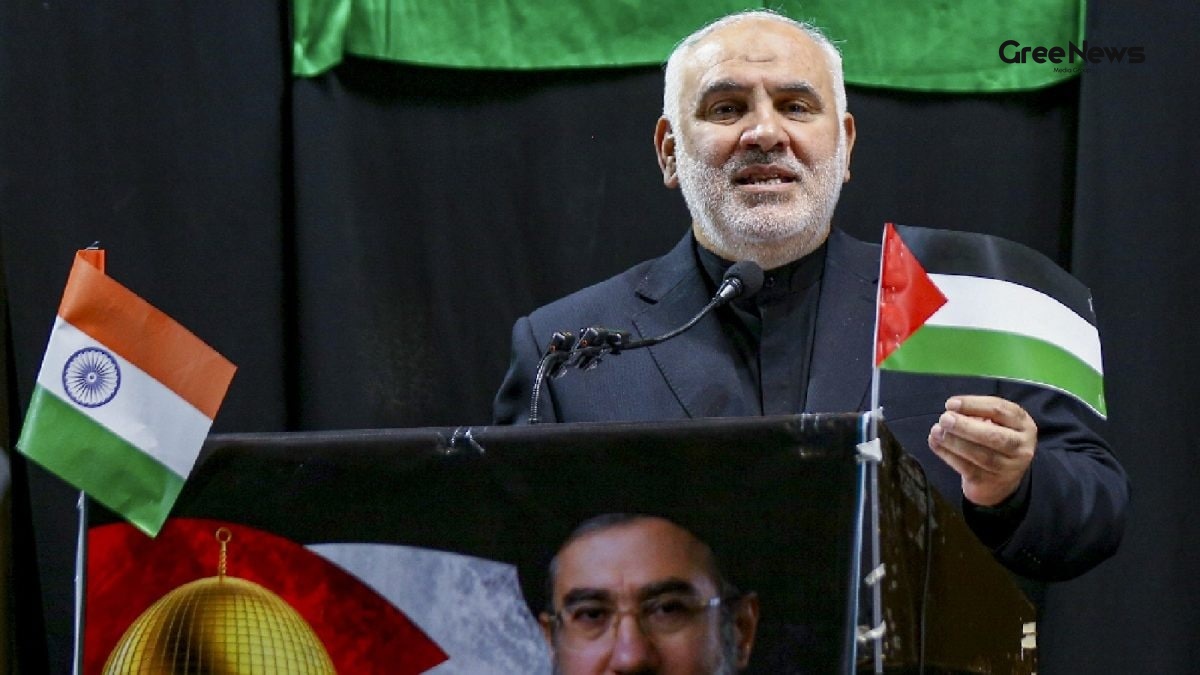
So, the other day I was scrolling through the latest news India feeds and stumbled upon an interview with Iran’s ambassador to New Delhi, Mohammad Fathali. He basically told the reporters that Indian ships have not been charged any tolls for passing through the Strait of Hormuz. You know, the narrow waterway that’s like the lifeline for a lot of our oil imports.
He even said, “You can ask the Indian government if we have charged anything up to now.” It felt like a direct challenge to the rumours that were going around about Iran demanding money for letting our vessels through. Honestly, that caught people’s attention because the US had just made a big statement that it would block any payments to Iran for such passages.
What happened next is interesting – the ambassador went on to assure that the Strait would stay open for Indian ships. He added that in these difficult times, Iran and India have “good relations” and share a “common fate.” I could hear a bit of relief in his tone, as if he wanted us to know that the waters are still safe for our tankers.
Background: Why the Hormuz route matters to India
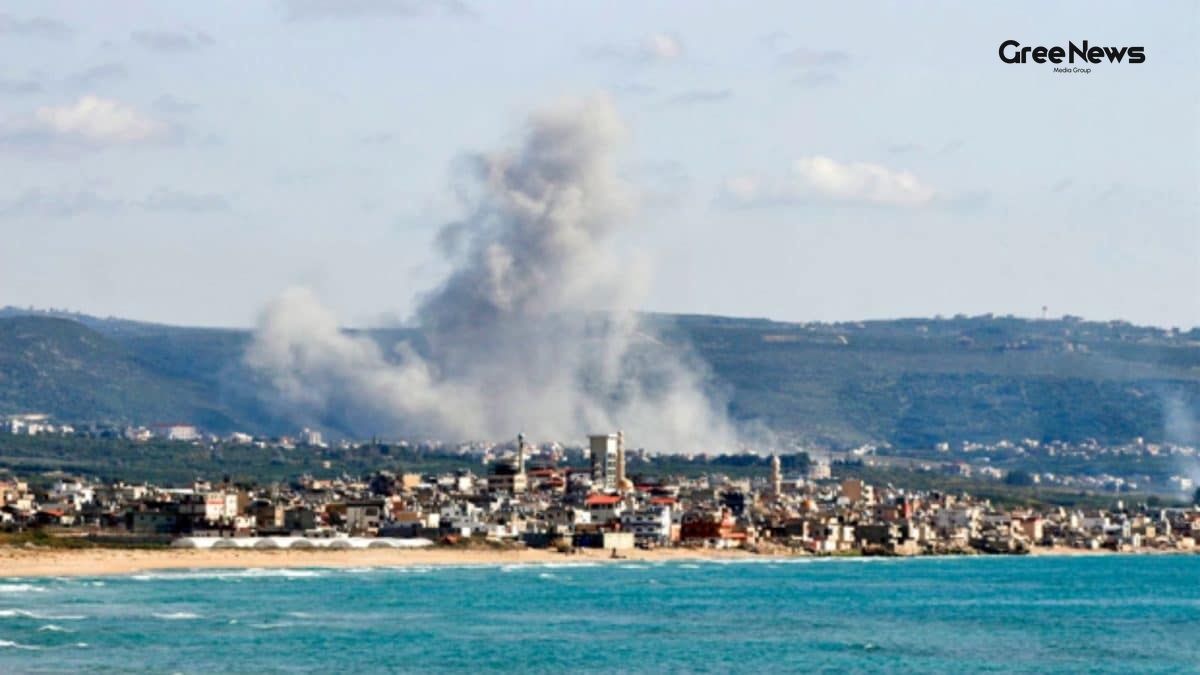
If you’ve ever wondered why the Strait of Hormuz is such a hot topic, think of it this way: about half of India’s crude oil and LPG supplies travel through that choke point. That means every time there’s tension there, we feel a ripple across our fuel prices, our power plants, and even the price at the petrol pump.
From my own experience, I remember the long lines at the fuel stations in Delhi during the early days of the West Asia conflict. It was a real eye‑opener that a narrow body of water, only about 21 nautical miles wide at its narrowest, can affect the everyday lives of millions of Indians.
So, when news about potential tolls or blockades spreads, it quickly becomes breaking news for us, not just some distant diplomatic gossip.
India’s stance – no tolls, no hidden deals
India’s Ministry of External Affairs backed up the ambassador’s claim with a firm statement. Spokesperson Randhir Jaiswal told the press that there has been “no such discussion with Iran” about any charges on Indian‑flagged or Indian‑operated vessels. Basically, the government says we haven’t paid a single rupee as a toll.
During inter‑ministerial briefings after the conflict started in West Asia, officials reiterated that no payments were made for ships carrying LPG. In fact, they even mentioned that we haven’t held any talks with Iran about imposing any tolls. The message was clear – we’re not paying for the passage, and we’re not going to start now.
Many people were surprised by this because the narrative of a secret payment had been floating around social media as part of the viral news cycle. But the official line, backed by multiple ministries, seems consistent.
Strategic contacts between Tehran and New Delhi
According to the envoy, Iranian authorities are in “good contact” with their Indian counterparts to make sure the passage remains smooth. He said, “We have good contact with the [Indian] government for allowing their ships to sail through the Strait of Hormuz.” It sounds like a diplomatic choreography where both sides keep the channel open without any extra cost.
In most cases, such coordination involves sharing navigation updates, weather reports, and sometimes even arranging escort vessels. While I don’t have inside information, the fact that the ambassador highlighted this cooperation suggests a behind‑the‑scenes effort to keep our tankers moving safely.
It’s also worth noting that the US President, at that time, vowed to block vessels that made payments to Iran. That added a layer of complexity to the whole situation, making the Iranian reassurance even more crucial for us.
Current status of Indian vessels in the Persian Gulf
Even with the diplomatic assurances, there are still 15 Indian‑flagged vessels stuck in the Persian Gulf. The Indian government has repeatedly said they remain stranded because of the broader regional tensions, not because of any toll dispute.
These ships are essentially caught in a limbo, waiting for a clear signal that the waterway is safe to navigate. The situation is being monitored closely, and officials say they are in constant touch with Iranian authorities to resolve it.
For someone like me who follows the shipping industry, it’s a reminder that geopolitics can have a direct impact on commerce. The fact that these vessels are not paying any tolls but still can’t move shows that there are many moving parts beyond just money.
Implications for India’s energy security
The Strait of Hormuz is a critical link in the chain that brings oil and LPG to India. If, hypothetically, the passage were to be closed or heavily taxed, we would likely see a sharp rise in fuel prices across the country. That would affect everything from farm equipment to city commuters.
Having the route open and toll‑free, as the Iranian envoy confirmed, is a big relief for India’s energy planners. It means they can continue to rely on the existing supply chain without having to look for costly alternatives.
Again, this is the kind of story that trends on the internet, becoming part of the trending news India landscape, because energy security and price stability affect every household.
Personal reflections – why this matters to the everyday Indian
Honestly, when I first heard about the toll issue, I was a bit skeptical. I thought maybe it was just another rumor to create panic. But after hearing the ambassador’s remarks and the ministry’s clear denial of any payments, I felt a sense of reassurance.
It reminds me of the time my family had to cut down on driving because of a sudden hike in diesel prices. That price surge was linked to a short‑term disruption in the Gulf. If the Hormuz route had been shut or made expensive, we could have faced something similar again.
So, hearing that the passage is still open, without extra charges, makes me think about how interconnected the world is – a diplomatic conversation in Tehran can spill over to fuel stations in Mumbai.
Looking ahead – what could change?
While the current stance is that there are no tolls, the geopolitical landscape is always shifting. If new sanctions were imposed or if the US actually blocks payments, the dynamics might change.
However, given the strong bilateral ties and the mutual benefits of an open Strait, both India and Iran have reasons to keep the channel free of fees. The “common fate” phrase used by the ambassador sums it up nicely – both nations need the waterway to stay functional.
For now, the situation remains stable, but I’ll keep an eye on any updates, especially as they appear in the India updates streams that we all follow. The next few weeks could bring more clarity, and I’m sure the media will keep reporting the breaking news as it unfolds.