Why I Started Paying Close Attention to This Story
Honestly, I was just scrolling through my phone on a lazy Sunday afternoon, sipping a strong masala chai, when a headline about a "TCS Nashik" scandal caught my eye. It wasn’t just any headline – it felt like one of those viral news pieces that spreads faster than a meme about a cricket match. The words “sexual harassment” and “religious conversion” were side‑by‑side, and I thought, “What on earth is happening in a place that usually only talks about software development?” That curiosity turned into a full‑blown deep dive, and I realized I wasn’t the only one – the whole nation seemed glued to this breaking news.
What made it even more intriguing was the involvement of N Chandrasekaran, the Tata Sons chairman. You know how in most Indian households the name ‘Tata’ instantly brings to mind reliability and trust? Seeing that name tangled up in such disturbing accusations was like watching your favorite Bollywood hero get an unexpected twist in the plot. So, I decided to share what I learned, hoping it helps you understand the whole picture without getting lost in boilerplate corporate statements.
How the Allegations First Came to Light
According to the reports, the whole saga started when a female employee at the TCS Nashik branch filed a formal complaint. She alleged that a colleague had pretended to be interested in marriage just to get close to her, which later turned into a case of sexual harassment. The complaint didn’t stop there – it quickly spiraled into accusations of forced religious conversion. Apparently, some staff members were allegedly pressuring others to eat beef and even mocking Hindu gods and goddesses. The emotional weight of these charges was overwhelming, and the story spread like wildfire, becoming one of the trending news India topics within hours.
What shocked many, including myself, was the speed at which the police got involved. Within a matter of days, eight FIRs were registered, and several people were arrested based on intelligence inputs from the Nashik Police Commissioner’s office. The names that surfaced – Asif Ansari, Shafi Sheikh, Shah Rukh Qureshi, Raza Memon, Tausif Attar, and Danish Sheikh – were all tied to the alleged misconduct. A woman whose identity is being kept confidential was also among those taken into custody.
What N Chandrasekaran Said – A Personal Take
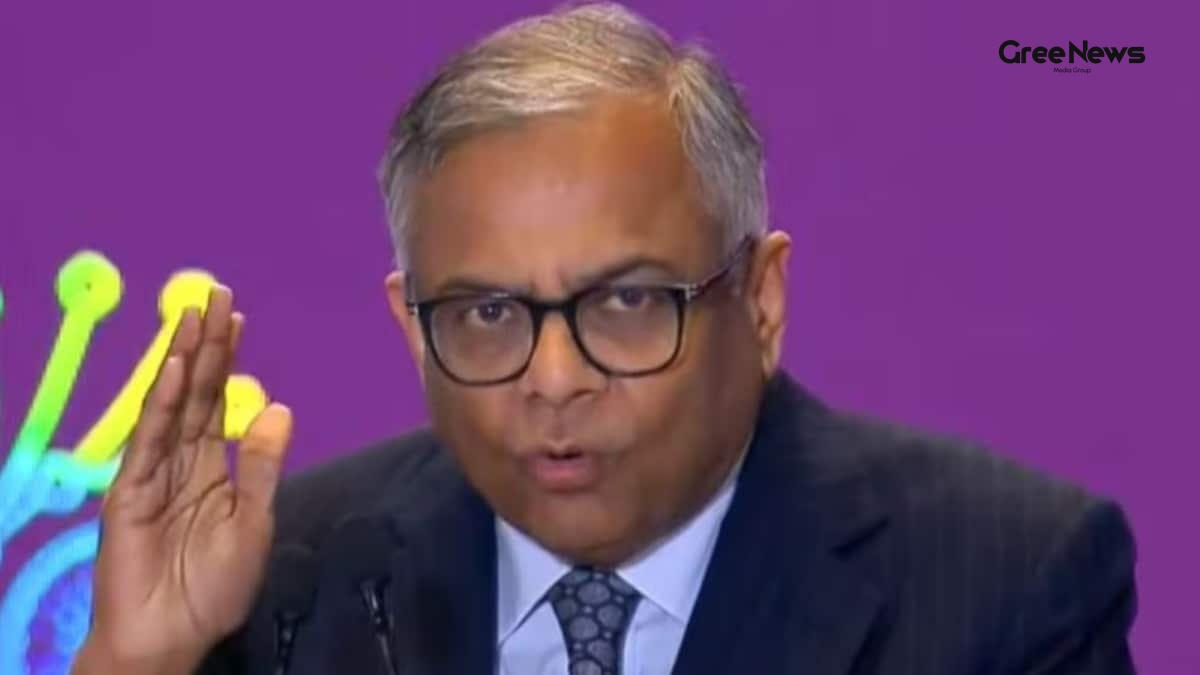
When the news broke, Tata Sons chairman N Chandrasekaran addressed the media with a calm yet firm tone. He said, “Tata Group maintains a zero‑tolerance policy towards any form of coercion or misconduct by its employees.” Listening to that, I could feel the weight of responsibility behind his words. It reminded me of the many times our elders warned us about standing up for what’s right, no matter how powerful the person involved might be.
He went on to explain that a “thorough investigation is underway to establish the facts and identify all individuals responsible for this situation.” In most cases, such statements sound generic, but Chandrasekaran added a personal touch, saying the incident was “deeply anguishing.” It’s rare to hear a corporate head express such genuine sorrow about a workplace issue, and that sincerity caught people’s attention across the country.
He also announced that Aarthi Subramanian, TCS’s Chief Operating Officer, would lead the probe. This move signalled that the group wasn’t just passing the buck; they wanted someone from inside, who knows the internal mechanisms, to steer the investigation. For me, it was a reassuring sign that the Tata Group was not treating this as a mere PR crisis.
Police Action and FIRs – The Ground Reality
While the corporate response was being televised, the police were busy on the ground. Nashik Police, acting on intelligence, arrested at least seven individuals tied to the allegations. The charges ranged from sexual assault to forced religious conversion. In one of the FIRs, the complainants—at least eight women and a man—claimed they were pressured to eat beef and were subjected to ridicule for their Hindu faith. The story quickly turned into a major talking point for many Indian families, especially those who are sensitive about religious practices.
What’s interesting, and a bit unsettling, is how quickly the narrative shifted from a workplace grievance to a larger debate about cultural identity in corporate India. The fact that the case involves the Tata Group—a name associated with nation‑building—added fuel to a fire that was already burning.
Inside offices, you could hear hushed conversations: “Did you hear about the TCS Nashik case? It’s all over the news now.” It was like the entire corporate ecosystem felt a ripple, and people across different sectors started wondering about the safety of their own workplaces.
What This Means for Workplace Safety in India
If you ask any HR professional today, they’ll say the TCS Nashik incident is a wake‑up call. Companies that once thought a strict policy was enough now realize they need robust grievance redressal mechanisms. The Tata Group, with its strong brand, is under pressure to set an example. Many experts are pointing out that this could become a case study in Indian business schools about corporate ethics, compliance, and the importance of a safe work environment.
For the average employee, especially those in tier‑2 cities like Nashik, this story hits close to home. You might wonder, “Will my complaints be taken seriously?” The answer, I think, lies in how quickly the Tata Group moves from words to actions. Chandrasekaran promised “appropriate and stringent action” against anyone found guilty. If they follow through, it could restore confidence among the workforce. If not, it might just become another headline that fades away, leaving many disillusioned.
In many ways, this incident ties into the larger narrative of India updates on labour rights and corporate governance. It’s not just about one company; it’s about the entire ecosystem learning how to protect its people.
Public Reaction – From Social Media to Living Rooms
On platforms like Twitter and Instagram, the hashtag #TCSNashik trended within hours. People shared personal stories of harassment, while others debated the role of religious freedom at the workplace. One comment that stood out read, “If a company as big as Tata can’t keep its employees safe, what hope do we have?” That sentiment captured the frustration many felt, especially after seeing similar cases in other sectors.
Beyond the digital sphere, families gathered around television sets, watching news channels dissect every new detail. In a small kitchen in Delhi, my aunt, who works as a school teacher, told me she was worried about her own staff. She said, “If something like this can happen at TCS, we need to be extra careful with our teachers too.” That’s the kind of real‑life ripple effect this story is creating.
The story also attracted attention from political commentators, who used it to argue for stronger workplace regulations. It became a piece of trending news India that sparked debates in parliamentary circles, which could eventually lead to policy changes.
The Role of the COO – Aarthi Subramanian’s Leadership
When Chandrasekaran announced that Aarthi Subramanian would head the investigation, many wondered what her approach would be. Known for her meticulous handling of operations, she has previously overseen large‑scale digital transformations. In most cases, a COO stepping into a crisis like this can mean a more data‑driven, systematic investigation.
From the snippets I’ve read, Subramanian has formed a special task force comprising internal auditors, legal experts, and external consultants. The aim is to ensure that the probe is transparent and that every grievance is examined. If they stick to this plan, the Tata Group could set a new benchmark for handling internal crises, turning a potentially damaging episode into a story of redemption.
During a press conference, Subramanian emphasized that the company would “co‑operate fully with law enforcement agencies.” That collaborative stance is vital because it shows the Tata Group isn’t trying to shield its employees, but rather wants the truth to come out, no matter how uncomfortable it may be.
What Happened Next? The Ongoing Investigation
After the initial arrests, the investigation entered a second phase. The police began questioning more staff members, and additional FIRs were filed. In most cases, the legal process in India can be lengthy, but the hype around this case kept the momentum high. Many citizens kept checking the latest updates, eager to know whether the accused would face strict penalties.
What caught people’s attention was the mention that the probe would also look into the company’s internal grievance mechanisms. This means the Tata Group is not only assessing individual culpability but also examining systemic flaws that could have allowed such behavior to fester. If they make genuine changes, it could become an example for other multinationals operating in India.
As of now, the names of those arrested remain the same, and the legal proceedings continue. The story is still very much alive, and each new development adds another layer to this complex narrative.
Why This Story Is Likely to Stay in the Headlines
Let’s be honest – stories involving big corporates, alleged misconduct, and religious sensitivities tend to linger in the public consciousness. This case hits all those points. It’s also a perfect storm for the media: a top‑tier company, a high‑profile chairman, and a mix of serious allegations. As the investigation proceeds, new details will keep emerging, ensuring that this remains part of the breaking news circuit for weeks, if not months.
Moreover, the Tata name carries a weight that makes any scandal around it instantly news‑worthy. It’s not just about a single office in Nashik; it’s about the reputation of an entire conglomerate that many Indians trust. That’s why the story has become viral news on multiple platforms.
For the everyday reader, the key takeaway is to stay vigilant about workplace rights. Whether you work for a giant like Tata or a small startup, understanding your rights and the mechanisms to report misconduct is essential. The TCS Nashik case serves as a stark reminder that no one is above the law.
Final Thoughts – Looking Ahead
As I wrap up my notes on this unfolding saga, I can’t help but think about how many similar cases might be lurking under the radar, waiting for a catalyst like this to surface. The Tata Group’s zero‑tolerance stance, as declared by Chandrasekaran, is a promising sign, but the real test will be in the enforcement of those promises.
For anyone reading this, remember that staying informed is the first step. Keep an eye on the latest news India portals, follow credible sources, and don’t shy away from discussing such topics with friends and colleagues. The more we talk about it, the harder it becomes for any organization to sweep issues under the rug.
In the end, I hope this incident leads to stronger safeguards, better policies, and a workplace culture where respect and safety are non‑negotiable. If that happens, perhaps a painful story can eventually become a catalyst for positive change across the Indian corporate landscape.