Karnataka court orders FIR against KLM executives after a Salem family of eight was denied boarding at Bengaluru airport over alleged visa confusion despite Rs 49 lakh tickets
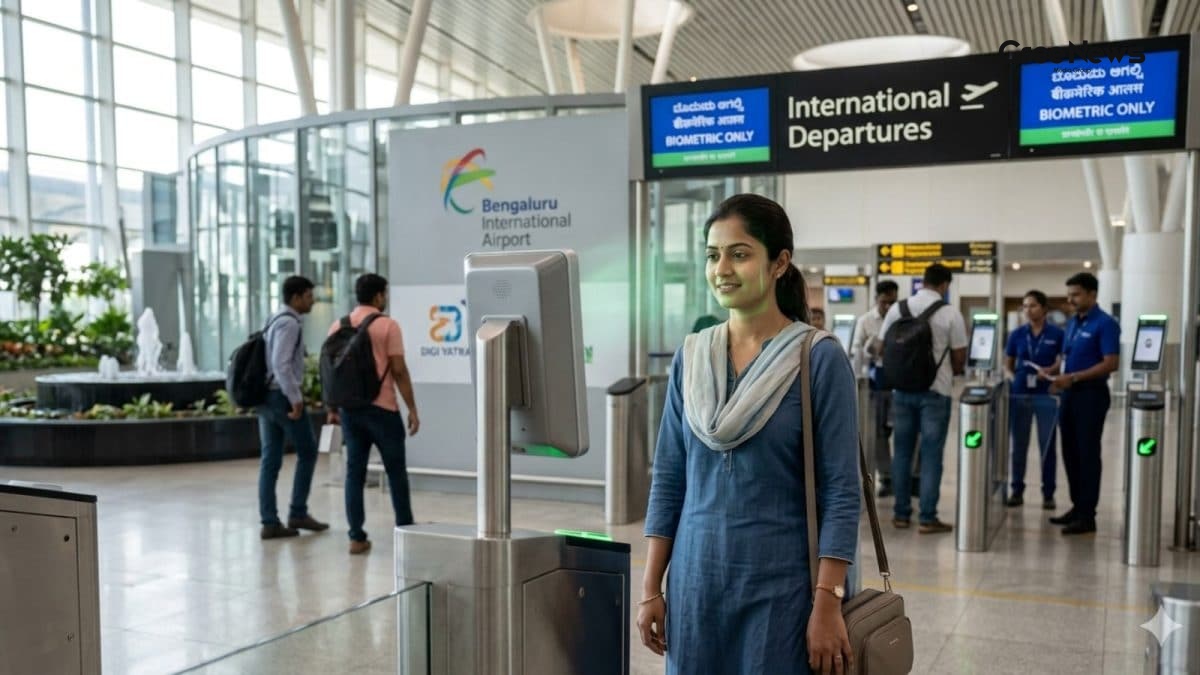
Honestly, when I first heard about this whole mess, I thought it was just another piece of breaking news that would fade away quickly. But the more I dug into it, the more I realized it was something that actually hit close to home for many of us who dream of flying abroad. A family from Salem, led by the chairman of a local medical institution, JS Sathishkumar, had booked eight business‑class seats on KLM Royal Dutch Airlines, spending around Rs 49 lakh on tickets that were non‑refundable. They were all set to fly to Peru, but at the last minute, airport staff stopped them from boarding, citing a visa issue.
What happened next is interesting – the family didn’t just pack up and go home. They filed a complaint, and soon a civil judge in Devanahalli, the jurisdiction covering Bengaluru’s airport, ordered the police to register an FIR against top KLM officials, including the CEO and COO. This has now become one of those trending news India stories that people can’t stop talking about on social media.
How the boarding denial unfolded
Let me walk you through the timeline as I understand it. The family arrived at Bengaluru airport well before the scheduled departure time. They checked in, cleared the initial formalities, and even waited at the counter for a few hours. Everyone was in good spirits – after all, an overseas trip to Peru is not an everyday affair, especially when you’ve splurged nearly half a million rupees on business‑class tickets.
But then, just minutes before the flight was set to leave, the airline staff told them they could not board. The reason given was the absence of a Peruvian visa. Now, here’s where the story gets a bit tangled: according to the family, Indian passport holders who hold a valid visa or residence permit from countries like the United States, United Kingdom, Australia, or any Schengen state can enter Peru without needing a separate Peruvian visa. The family claimed they had such a visa, yet the airline apparently misinterpreted the rule.
Many people were surprised by this because, in most cases, airlines have check‑in counters that verify visa requirements accurately. The family’s experience turned out to be a rare, yet glaring, example of a procedural slip that cost them not just money but also a massive amount of stress.
The legal battle that followed
After the incident, JS Sathishkumar approached the authorities, filing a formal complaint. The case went to a civil judge and judicial magistrate in Devanahalli. The court, taking the complaint seriously, directed the police to register an FIR against senior KLM officials – the very people who make strategic decisions for the airline.
According to a report by The New Indian Express, the FIR specifically names the CEO and COO of KLM Royal Dutch Airlines. This move is quite unprecedented; it’s not every day that a foreign airline’s top brass faces legal action in an Indian court. The decision has sparked a lot of discussion in aviation circles, with many industry watchers labeling it a landmark case for passenger rights in India.
What’s more, the case has become a focal point for the latest news India feeds, with many questioning whether airlines are doing enough to train their staff on visa regulations, especially for less common destinations like Peru.
Understanding the visa rule that caused the confusion
Peru has a fairly liberal entry policy for Indian travelers who already hold a valid visa or residence permit from certain countries. The rule basically says, if you have a US, UK, Australian, or Schengen visa, you can enter Peru without a separate Peruvian visa. This is designed to make travel easier for business travelers and tourists who already have extensive travel history.
In the family’s case, they claimed to have a valid US visa, which should have qualified them for entry into Peru. However, the airline staff apparently either weren’t aware of this exemption or they miscommunicated it. This sort of mix‑up is rare, but when it happens, the fallout can be huge – not just in terms of financial loss, but also in terms of reputation and trust.
Many travelers I’ve spoken to say they’ve faced similar hiccups with visa checks, but usually it’s resolved quickly at the counter. The fact that this family was turned away after spending hours waiting is what turned a simple mistake into a viral news story, and now it’s part of the breaking news cycle across the nation.
What this means for airline passengers in India
From a broader perspective, this incident highlights a gap in the passenger‑airline relationship. While airlines are obligated to check travel documents, they also need to have up‑to‑date information on visa exemptions for every country they serve. In most cases, large carriers have dedicated teams for this, but occasional lapses can happen, especially for routes that are not frequently travelled from India.
For us Indian travellers, the lesson is to double‑check visa requirements directly with the embassy or official consular websites, even if the airline says everything is fine. It’s an extra step, but it can save you from the kind of heartbreak the Salem family experienced.
Legal experts say that the FIR could push airlines to adopt stricter verification processes. If the court’s decision leads to more stringent oversight, it could actually improve overall passenger safety and reduce the chance of future mishaps. That would be a positive outcome from a relatively painful episode.
Public reaction and social media buzz
When the story broke, it quickly turned into viral news. People started sharing the family’s experience on platforms like Twitter, Instagram, and even regional WhatsApp groups. The hashtag #KLMBoardingDrama trended for a few days, with many expressing solidarity and demanding accountability from the airline.
A lot of users commented that they had faced similar issues with other carriers, though not as severe. Some even posted screenshots of their own ticket receipts, showing that they too had spent large sums on international travel. The collective outcry has put pressure on KLM to respond, and the airline’s social media handles have seen a spike in queries about the incident.
In most cases, airlines try to resolve such matters quietly, but the sheer volume of public attention turned this into a high‑profile case. It’s a clear example of how breaking news can shape public discourse and force companies to act faster.
Potential impact on future travel plans
For many Indian travellers planning trips to less‑common destinations, this episode will likely make them more cautious. Travel agents are now advising clients to carry printed copies of visa exemption letters and to ask airlines for written confirmation of visa eligibility before ticketing.
Airlines, on the other hand, may need to revisit their staff training modules. Some insiders suggest that KLM could introduce a dedicated “visa verification desk” for exotic routes, ensuring that such misinterpretations don’t happen again.
Overall, the incident adds another layer to the ongoing conversation about consumer rights in the aviation sector, and it’s something that will probably feature in our daily India updates for a while.
Conclusion – a cautionary tale with a legal twist
Looking back, the whole saga reads like a plot from a drama series – a family spends a fortune on tickets, gets denied boarding over a visa nuance, and ends up with a FIR filed against the airline’s highest officials. It’s a stark reminder that even with big‑ticket purchases, we’re not immune to procedural mishaps.
If you’re planning an overseas trip, especially to a country with specific entry rules, take a moment to verify those rules yourself. A little extra effort can save you from a lot of trouble, and perhaps even keep you from becoming the next trending news story.
For now, the court’s order remains in effect, and we’ll have to wait and see how KLM responds. One thing’s for sure – this case has already left a mark on India’s travel landscape, and it will likely be referenced in many future discussions about airline accountability and passenger rights.