Background: Why the recusal plea matters
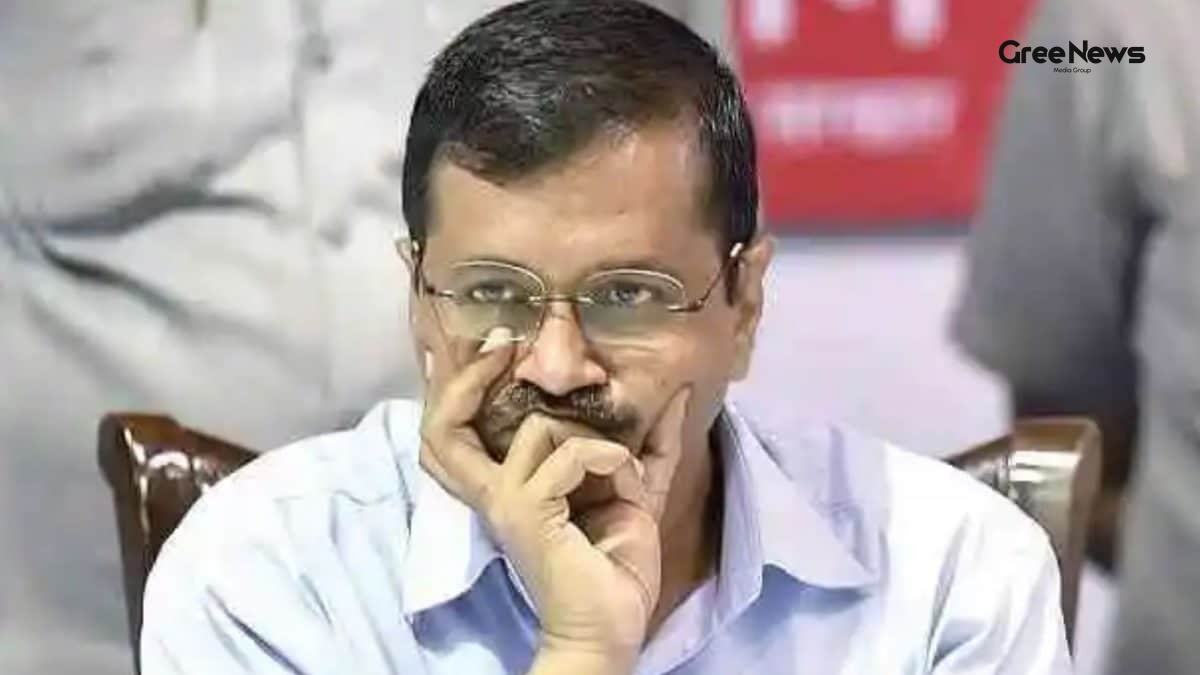
Honestly, when I first heard about a senior politician asking a sitting judge to step aside, I thought it was something straight out of a courtroom drama on TV. But then the news broke, and it turned out to be real life – a classic case of law meeting politics. In India, the principle of a judge’s impartiality is sacrosanct; any hint that a judge might be favouring one side can cause a serious stir. This is why Arvind Kejriwal’s plea caught the attention of everyone from lawyers to the common man scrolling through the latest news India on their phones.
In most cases, a recusal request is not something you see in the headlines. It usually stays in the legal filings, not making it to breaking news. Yet this time, the courtroom drama unfolded in public view, and the entire nation seemed to be watching. The excise case that forms the backdrop of this plea is itself a high‑profile matter, and the fact that the alleged bias revolves around the judge’s attendance at a bar association event linking to BJP, RSS, and CBI made it all the more intriguing.
The hearing: Kejriwal argues his case in person
What actually happened on the day of the hearing was quite something. Kejriwal, instead of sending his lawyer, chose to sit on the bench and plead his own case. He told the court that he had a “reasonable apprehension” that he would not get a fair hearing. He pointed out earlier judicial observations and orders that, in his view, hinted at bias. You could see the intensity in his voice when he mentioned that certain rulings seemed to tilt in favour of the investigating agencies, especially the CBI.
He listed several grounds for his request. First, he highlighted the pace of the proceedings – he felt it was unusually swift, almost as if the court wanted to rush a decision. Second, he reminded the bench of prior remarks made by Justice Swarana Kanta Sharma in related matters, which, according to him, created a shadow of doubt in the minds of the accused. He also took issue with orders passed on mere oral submissions, arguing that such practice compromised the principles of natural justice.
During his argument, Kejriwal said, “I have learnt a lot about recusal jurisprudence. In my life, for the first time, somebody has asked me to recuse. But I learnt a lot about it. I hope I can give a good judgment.” The court noted the statement, and that’s where the “reserve order” part comes in – the judges said they would take time to consider his plea before delivering a final decision.
CBI and Solicitor General Tushar Mehta step in
It wasn’t just Kejriwal on the stand. The CBI, represented by the Solicitor General Tushar Mehta, defended Justice Swarana Kanta Sharma’s participation in the Adhivakta Parishad event. Mehta argued that many senior judges, including some from the Supreme Court and other High Courts, have attended similar events organised by bar associations, and that there was nothing improper about it.
In fact, Mehta highlighted that the event was not a political rally but a professional gathering, and the presence of judges from various benches at such gatherings is quite common across the country. He seemed keen to reinforce that the judge’s attendance should not automatically be equated with bias, especially when there is a precedent of other judges attending similar meet‑ups without any repercussions.
From a legal standpoint, this is a classic clash of perception versus precedent. While Kejriwal’s team focused on the optics and potential influence of the event, the CBI’s defence leaned on the broader judicial practice, arguing that the mere presence at a bar association meeting does not compromise judicial neutrality.
Understanding recusal jurisprudence in India
Now, you may be wondering, why does recusal even matter? In Indian law, a judge can be asked to step aside if there is a real or perceived conflict of interest. The underlying idea is to protect the integrity of the judicial process and maintain public confidence. In most cases, a judge voluntarily recuses themselves if they feel that a fair hearing may be compromised.
What makes Kejriwal’s request unusual is that it is one of the very few times a politician has openly challenged a sitting judge’s impartiality in a live courtroom. This is why many legal scholars are saying that the outcome could set a new precedent for how such pleas are handled in the future. It’s also why the story has become trending news India – people are curious about the impact on the legal system and the political narrative.
One of the key points Kejriwal raised was the “principles of natural justice.” In simple terms, this means that each party should get a fair chance to present its side, and the judge must be neutral. If the bench perceives that any external factor – like participation in a politically charged event – could sway the decision, then the remedy would be to step aside and let another judge take over.
Public reaction: From social media to street chatter
At the same time, there were those who defended the judge, arguing that the legal fraternity often gathers for knowledge‑sharing sessions and that it’s unfair to label such gatherings as partisan. The discourse was quite balanced – you could see both sides presenting their own arguments, almost like a mini‑courtroom on social media. This kind of engagement reflects why the story has become part of the breaking news cycle and why it’s being watched closely by legal analysts.
Another interesting angle was the comment that “somebody asked me to recuse for the first time in my life.” That sentence, delivered by the court, sparked curiosity. Many wondered who the “somebody” was – was it Kejriwal, his counsel, or perhaps a senior law officer? The mystery added to the intrigue, keeping readers hooked and scrolling for more details.
Potential implications for the judiciary and politics
If the Delhi High Court eventually orders Justice Swarana Kanta Sharma to step aside, it could send a strong signal about the accountability of judges and the expectations of neutrality. On the flip side, if the bench decides that there is no substantial ground for recusal, it would reinforce the idea that participation in professional events does not automatically create bias.
The decision will also be closely watched by other political figures who might consider similar petitions in the future. It could either open the door for more recusal pleas or, if dismissed, discourage such challenges, keeping the status‑quo intact. Either way, the case is shaping up to be a reference point for the conversation on judicial independence in India.
From a political standpoint, Kejriwal’s move could be seen as a strategic step to protect his party’s interests in the ongoing excise case. By raising the issue of bias, he may be trying to buy time or perhaps shift the narrative away from the merits of the case to a question of procedural fairness. As someone who follows Indian politics closely, I can see how this tactic fits into a broader pattern of using legal avenues to create pressure.
Conclusion: Why we should keep an eye on this case
All in all, the plea for recusal by Arvind Kejriwal has turned what could have been a routine legal matter into a national conversation about fairness, bias, and the relationship between the judiciary and politics. It’s a story that has all the ingredients of trending news India – a high‑profile politician, a senior judge, and a debate that touches the core of democratic principles.
Whether you consider yourself a legal enthusiast, a political observer, or just a regular citizen scrolling through the latest news India, this case is worth following. The next hearing could reveal how the courts balance the delicate act of maintaining judicial integrity while addressing legitimate concerns of bias. Keep an eye out for updates – because whatever the outcome, it will likely influence how future recusal requests are framed and how political leaders approach the legal system.
So, stay tuned, because as we all know, the story is still unfolding, and there’s a good chance something unexpected will happen next. That’s the beauty of live court proceedings – you never know what twist will come around the corner, and that keeps the narrative fresh, engaging, and, frankly, quite addictive for anyone following India updates.