Why the name Hormuz matters even today
Whenever I scroll through the latest news India, the name “Hormuz” pops up again and again – whether it’s a breaking news alert about naval drills or a trending news India story about oil prices spiking. It got me thinking: why does this tiny strip of water get so much attention? The answer, surprisingly, starts way before any modern map was drawn, deep in the ancient Persian world.
Origin of the name ‘Hormuz’ – a glimpse into ancient belief
From what I gathered from old history books and a few documentaries, the word “Hormuz” likely springs from the old Persian term “Hormoz” or “Ormuz”. It is believed to be linked to Ahura Mazda, the supreme god of Zoroastrianism – the religion that ruled Persia before Islam arrived. Basically, the name carries a divine vibe, as if the waterway was under the watchful eye of the highest deity.
Over centuries, as Persian mingled with Arabic and later with European sailors’ tongues, the pronunciation shifted a bit, eventually settling on the form we use today – Hormuz. It’s a perfect example of how languages evolve, much like the way we say “curry” differently in different Indian states.
Ancient trade route – the original highway of spices and silk
Long before any modern border existed, the area surrounding the Strait of Hormuz was part of the mighty Achaemenid Empire – the same empire that built the famous Persepolis. Back then, the strait was a natural gateway linking the Indian subcontinent, the Arabian Peninsula and Persia.
Think about it: traders from Gujarat would load their ships with pepper, turmeric and cotton, sail down the Arabian Sea, and cross Hormuz to reach the markets of the Persian Gulf. I remember my dad telling me stories of his great‑grandfather who used to be a sailor, and how the route through Hormuz was considered the “spice lane” of its time. The flow of goods made the strait an early economic powerhouse, laying the foundation for the strategic importance we see in the breaking news today.
Rise of the Kingdom of Hormuz – a medieval trading empire
Fast forward a few centuries, between the 11th and 16th centuries, a small but mighty Kingdom of Hormuz emerged on the island that now bears its name. The kingdom set up its capital on Hormuz Island and quickly became a wealthy port, collecting taxes on everything that passed – from fragrant Indian spices to fine silk from China.
Travelers like Marco Polo mentioned the bustling markets and how ships from distant lands would queue up for a chance to dock. The prosperity was such that the kingdom could afford a fleet of its own, and it even wielded enough influence to negotiate with the great powers of the day.
This piece of history often surfaces in viral news when people talk about how the region’s wealth has always attracted foreign eyes – a pattern that repeats itself in modern geopolitics.
Portuguese control and the Persian comeback
In the early 1500s, the Portuguese, led by Afonso de Albuquerque, stormed the island and built forts to dominate the sea routes. For over a century they imposed hefty taxes on passing ships, effectively turning the strait into a European‑run toll booth.
But the story didn’t end there. In 1622, the Safavid Empire of Persia, with help from local allies, pushed the Portuguese out and reclaimed control. From that point on, the strait’s destiny was closely tied to Persian – later Iranian – authority again. The whole episode reads like a dramatic episode of a historical series, and it’s often cited in articles that become part of India updates on regional security.
Modern‑day significance – the world’s oil artery
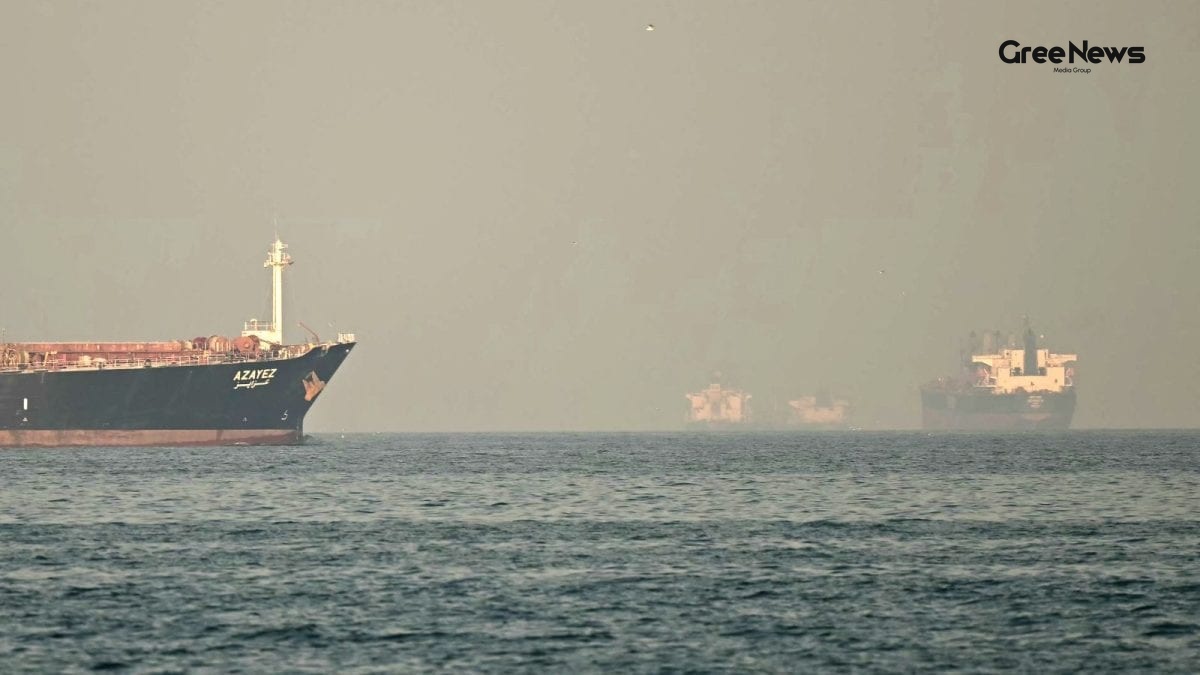
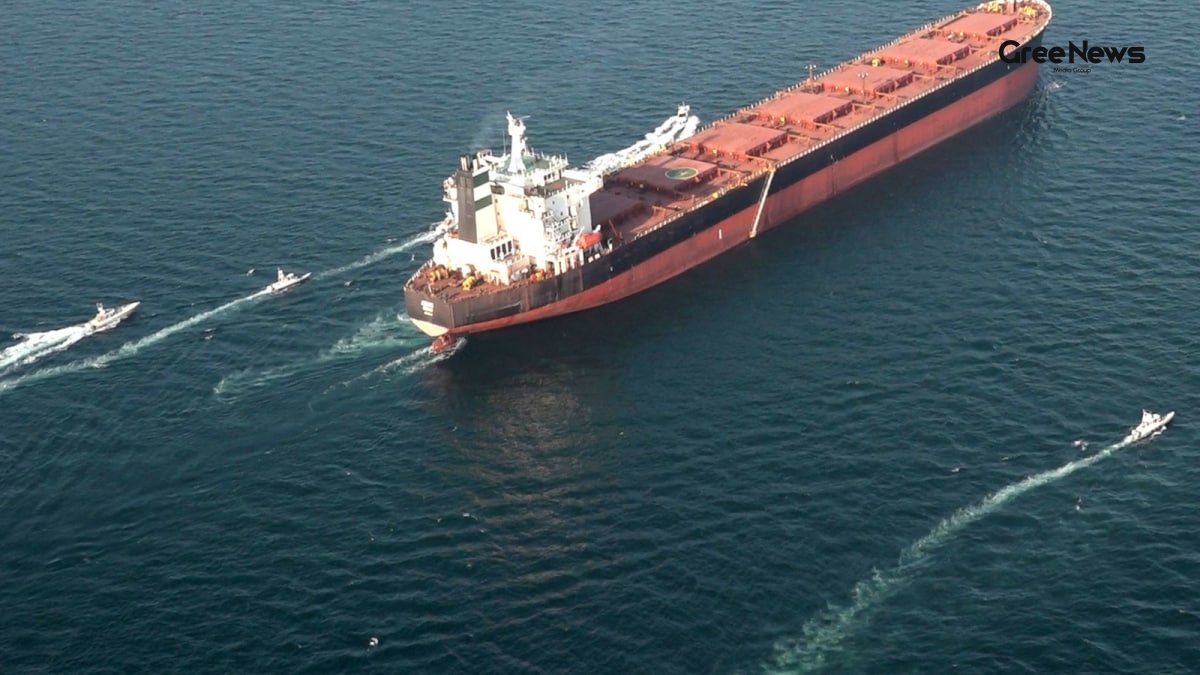
Today, the Strait of Hormuz sits between Iran and Oman and remains one of the planet’s most critical shipping lanes. Roughly one‑fifth of global oil and a huge chunk of liquefied natural gas pass through its narrow waters every day. That’s why any hiccup instantly becomes breaking news across the globe, and especially in India, where oil imports are huge.
In the past few weeks, the waterway has been in the news for all the wrong reasons. After a tense standoff involving the United States, Israel and Iran, maritime traffic dropped dramatically – only a handful of commodity carriers were seen crossing. The drop was so stark that data from maritime trackers showed traffic at about 90 % below peacetime levels.
What happened next is interesting – nations started rerouting their ships around the longer route via the Cape of Good Hope, which added weeks to delivery times and pushed fuel prices up. This cascade of effects turned the Hormuz story into a trending news India topic, affecting everything from stock markets to the price of diesel at your local pump.
Personal reflections – why I keep hearing about Hormuz
Whenever I hear a news alert about oil price spikes, my mind immediately flashes back to the old maps my school textbook showed – tiny lines marking the Strait of Hormuz. It’s funny how a name from an ancient deity can still shape our daily lives. My cousin, who works in the logistics sector, often tells me that a single incident in Hormuz can ripple all the way to the ports of Mumbai, causing congestion and higher freight rates.
Many people were surprised to learn that the same waterway that once carried silk caravans now carries super‑tankers. It’s like the same road has been upgraded from a dusty trail to a super‑highway, but the name stayed the same.
What the future might hold
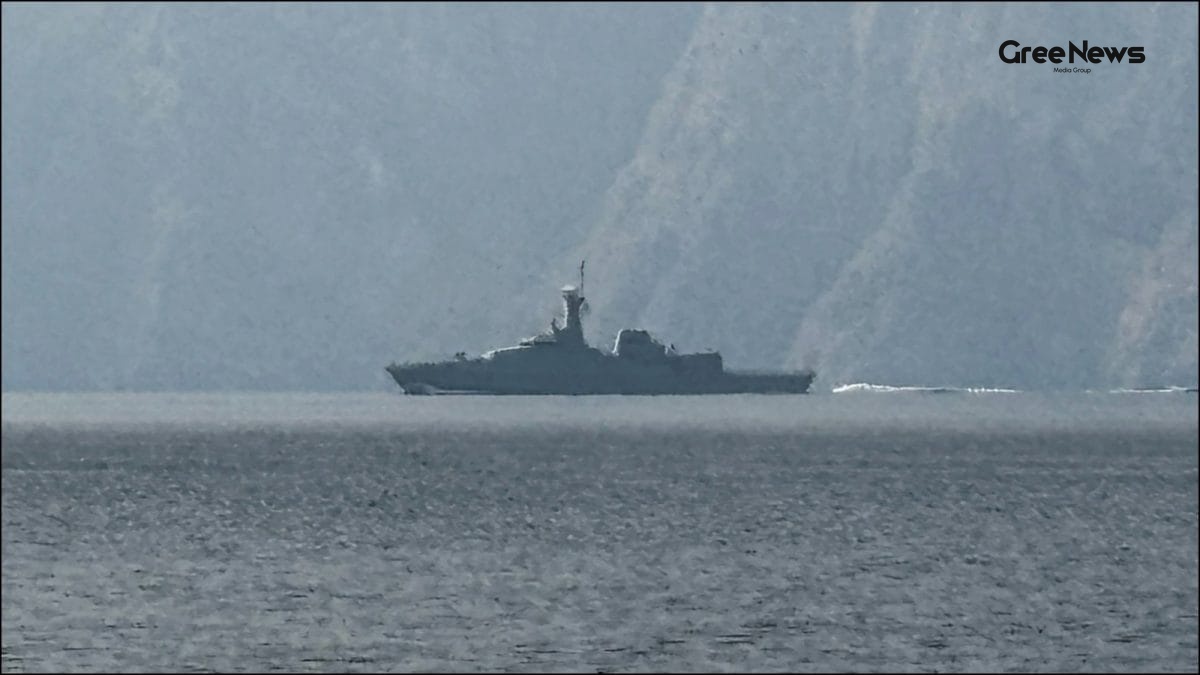
Looking ahead, the strait will likely stay in the headlines. Whether it’s new diplomatic talks, naval exercises, or further disruptions, the name Hormuz will keep popping up in every India update about energy security. Some analysts even suggest that the growing importance of renewable energy could gradually ease the pressure, but for now, the oil flow remains a huge part of the global economy.
Until then, whenever I see a headline about the Strait of Hormuz, I’m reminded of its layered past – a blend of ancient worship, bustling medieval trade, colonial battles, and modern geopolitical drama. That mix makes the name more than just a label on a map; it’s a living story that connects the past with the present, and perhaps, the future.