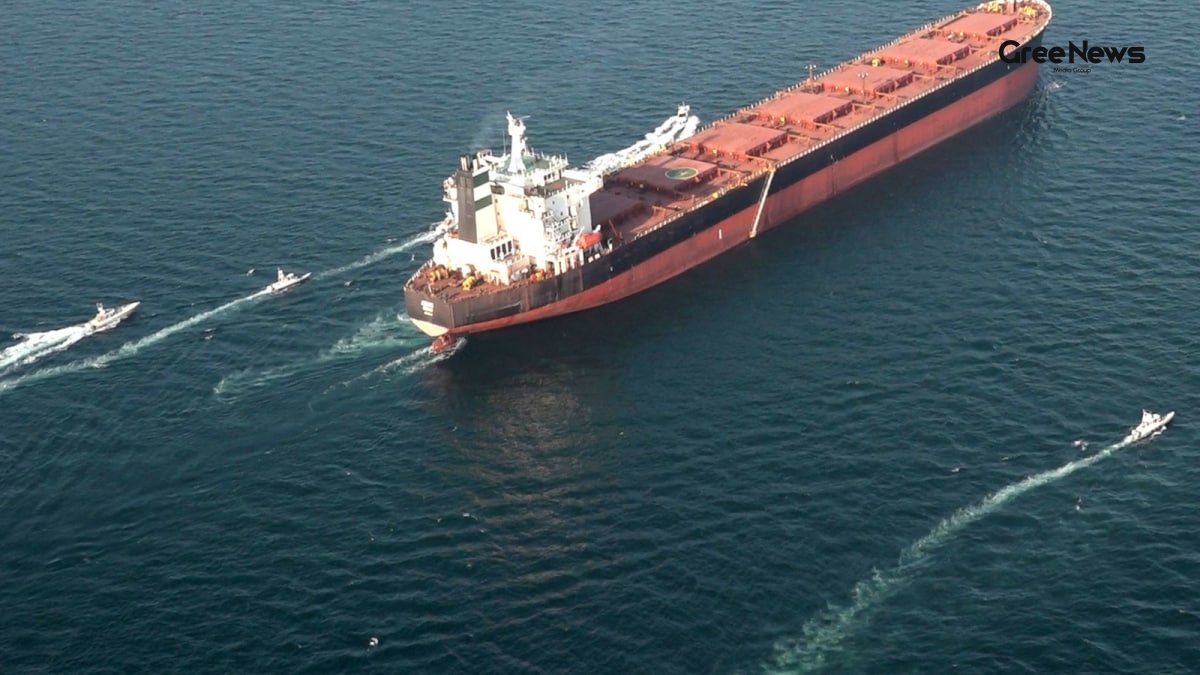
As per the report, Iran has only one customer for its crude, independent Chinese “teapot” refiners who soak up over 90% of its exports.
I was scrolling through my phone this morning when I stumbled upon a piece of breaking news that instantly caught my attention. It was about Iran’s oil strategy, and honestly, the details sounded like something out of a thriller.
According to the latest news India outlets are covering, the United States announced a new measure to block ships from entering or exiting Iranian ports in the Strait of Hormuz. This move, many analysts say, is meant to add pressure on Iran after recent diplomatic talks stalled.
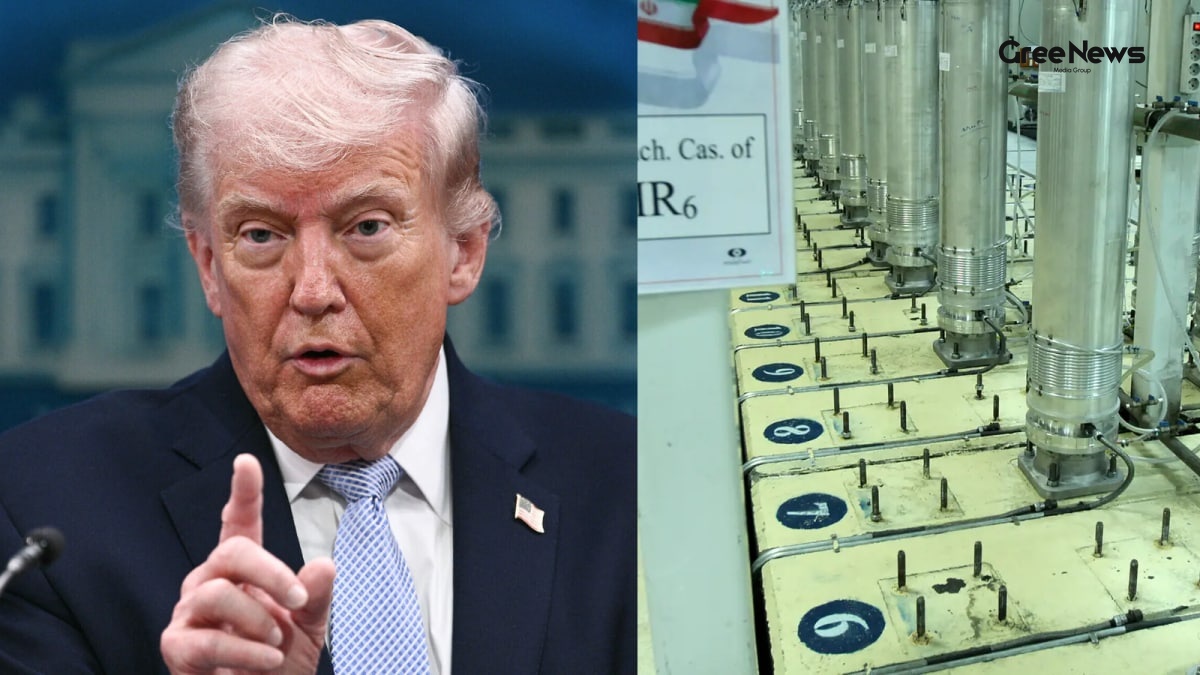
But here’s the twist that many people found surprising: Iran could actually withstand this blockade for weeks, perhaps even months. Iran has built a gigantic floating stockpile of crude oil right outside the Strait of Hormuz, and this reserve could keep the country’s oil flow going despite the US blockade.
What happened next is interesting – the numbers start to sound almost unreal. Iran has amassed about 160 million barrels of crude oil sitting on tankers at sea. While some of that oil has already been sold, the remaining volume creates a cushion large enough to keep feeding its main buyer for an extended period.
How the floating stockpile came to be
To understand why this matters, we need to go back a little. Over the past few months Iran has been ramping up its oil exports. Data shared by Vortexa, a market analytics firm, shows that Iran shipped roughly 1.84 million barrels per day in the most recent month. In February the figure even spiked to about 2.15 million barrels per day, pushing Iran’s average shipments roughly 26% above the levels seen in 2025.
Much of that surge happened because Iran wanted to get ahead of possible military tensions involving the United States and Israel. By loading tankers before any potential conflict, Iran created a ‘floating reserve’ that could be used later if the seas became hostile.
Now, imagine standing on a Mumbai beach and seeing a massive convoy of oil tankers just beyond the horizon – that’s the picture analysts are painting when they talk about Iran’s strategy.
Iran’s approach is not just about stockpiling; it’s also about whom Iran sells to. China’s independent “teapot” refiners, which are small-scale processing units, have become Iran’s primary customers. These refiners soak up more than 90 percent of Iran’s crude exports, making them a vital link in the chain.
Beijing sets annual quotas on how much these teapot refiners can purchase, so they can’t take all the excess oil at once. That’s why the floating stockpile is essential – it bridges the gap between what Iran wants to sell and what the Chinese market can absorb at any given time.
Why the Chinese “teapot” refiners matter
When I chatted with a friend who works in the petrochemical sector in Gujarat, he explained that the term “teapot” comes from the small, often privately-owned refineries that operate on a modest scale compared to China’s giant state-owned plants. These refiners have a high appetite for Iranian crude because it fits their processing capabilities and price points.
Because these teapot refiners account for over 90 percent of Iran’s oil exports, any disruption in supply would directly hit them. However, the floating reserve gives Iran a buffer. Even if the United States enforces a hard blockade, Iran could continue to ship oil to these refiners from the tankers already parked outside the Gulf.
Based on current Chinese import levels – roughly 1.8 million barrels per day – the existing stockpile could sustain supplies until at least mid‑July, according to analysts. That’s a surprisingly long window, and it explains why many in the energy market see this as an advantage for Iran.
In most cases, a blockade would cripple a country’s export capacity within days. But Iran’s pre‑positioned barrels change that equation, turning a potential crisis into a manageable challenge.
US response and Trump’s warning
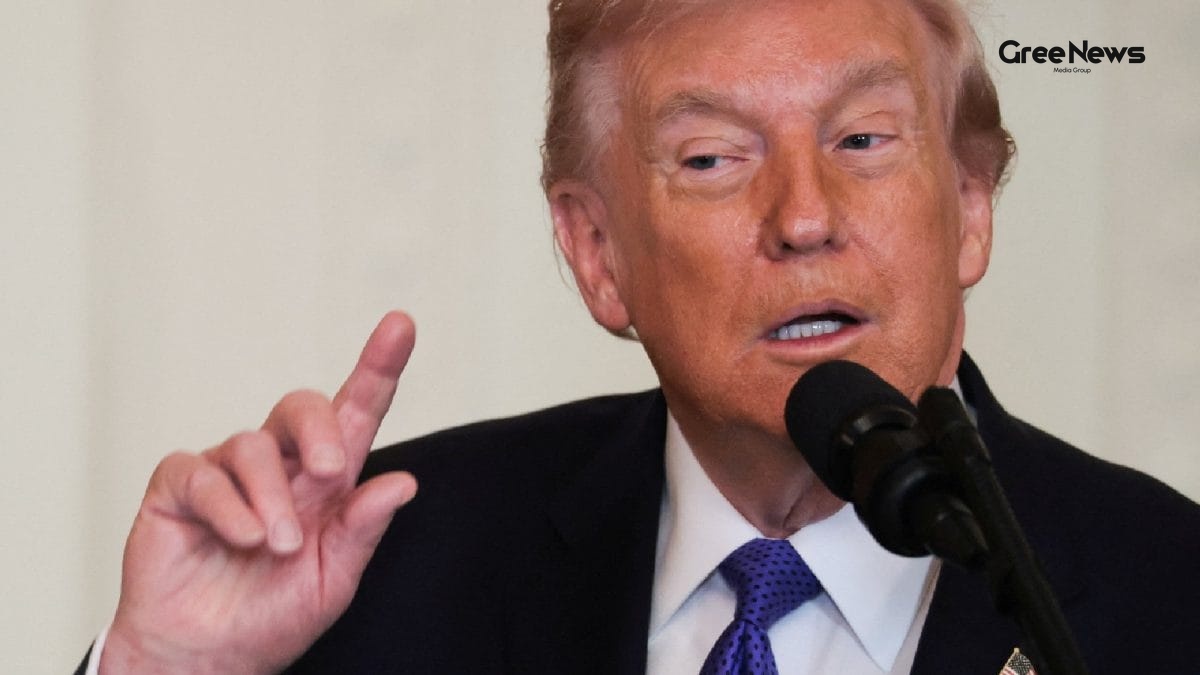
The United States, meanwhile, has not been silent. After the 10 a.m. ET deadline for the blockade kicked in, Donald Trump warned Iran not to send fast boats near American forces. Trump even posted a threat on Truth Social, saying that any Iranian vessel that comes close to the US blockade will be “immediately ELIMINATED, using the same system of kill that we use against the drug dealers on boats at Sea.”
This kind of rhetoric has made the situation feel even more tense. Yet, the reality on the water – that Iran already has a huge reserve floating nearby – could make those threats less effective than intended.
Washington’s strategic move to stop ships from entering or leaving Iranian ports in the Strait of Hormuz is part of a broader effort to squeeze Iran’s oil revenues. It follows a series of US actions aimed at curbing Tehran’s ability to fund regional proxies and missile programmes.
But analysts suggest that Tehran’s floating reserve could absorb the immediate impact of the blockade, at least in the short term. This means the United States might need to think beyond a simple naval choke‑point if it wants to achieve its broader objectives.
What this means for the global oil market
From a global perspective, the story has quickly become trending news India, because any shift in Iranian oil flows can ripple through world markets. If Iran can sustain its exports despite a US blockade, the OPEC‑plus balance might stay relatively stable, preventing a sharp spike in crude prices.
Conversely, if the United States eventually manages to enforce the blockade more strictly, we could see a sudden dip in supply that would likely push prices up, affecting everything from petrol pumps in Delhi to diesel costs for trucks transporting mangoes in Karnataka.
In my own experience, I’ve seen how quickly a small change in oil prices can affect daily life – a 10‑rupee increase at the pump can change commuter habits overnight. So, the potential for a prolonged supply from Iran is a piece of viral news that many Indians are keeping a close eye on.
The presence of the floating stockpile also highlights a growing trend: countries are increasingly using “sea‑based reservoirs” to hedge against geopolitical risks. It’s an approach that could become more common as nations look for ways to protect their earnings from sanctions.
Personal observations and why I’m sharing this
Honestly, when I first read about this floating reserve, I felt a mix of awe and curiosity. It reminded me of the time I watched a convoy of trucks line up on the highway outside my hometown during a festive season – the sheer scale of logistics left a lasting impression.
Talking to my cousin who works in a logistics firm, he mentioned that keeping large volumes of a commodity ‘on‑hand’ is a classic strategy to outlast disruptions. Iran’s oil tankers floating in the Persian Gulf are just a massive, maritime version of that idea.
What really caught people’s attention, though, is the human side of it – families in cities like Tehran worry about the impact of sanctions on their daily lives, while fishermen off the coast of Oman might see more tankers sailing by. These are the stories that make breaking news feel close to home.
Besides, the fact that the United States is using a blunt‑force approach while Iran quietly keeps a massive amount of oil at sea adds a layer of intrigue that keeps the conversation alive on social media platforms, making this a piece of viral news that never seems to lose its edge.
Looking ahead – possible scenarios
There are basically three scenarios that could play out in the coming weeks:
- Scenario One: The United States maintains a limited blockade, but Iran continues to ship oil from its floating reserves, keeping the flow steady and the market relatively calm.
- Scenario Two: The United States escalates its naval presence, eventually forcing tankers to evacuate the area. In that case, Iran’s exports could tumble sharply, leading to a surge in global crude prices.
- Scenario Three: Diplomatic channels open up again, leading to a negotiated easing of the blockade. This would likely restore normal shipping patterns, but the lingering presence of the floating stockpile would remain a strategic asset for Iran.
Each of these outcomes carries different implications for oil‑importing countries like India, where any uptick in crude prices can quickly translate into higher fuel costs for millions of commuters.
From my point of view, the most plausible is Scenario One – a limited blockade paired with Iran’s ability to tap its sea‑based reserves. This would keep the market from any dramatic shock, but it also means that the United States will need to look for other levers to influence Tehran’s behaviour.
Final thoughts
All in all, the story of Iran’s floating oil stockpile is more than just another piece of breaking news. It’s a vivid example of how countries adapt to geopolitical pressure and how those adaptations can ripple through the global economy.
If you’re following the latest news India, especially the parts about oil and geopolitics, keep an eye on how this situation evolves. The next time you see a headline about the Strait of Hormuz, you’ll now know that there are literally millions of barrels just waiting in the water, ready to keep the supply chain humming.
And as always, stay tuned – because in the world of international energy, the next twist is often just around the corner.