The moment I heard about Women’s Reservation Act, 2023 coming into force
Honestly, I was sipping my chai in the morning, scrolling through my phone for the latest news India, when a breaking news alert popped up about the Women’s Reservation Act, 2023. The headline screamed that the Act would be effective from 16 April 2026. I couldn’t believe it three years after Parliament passed the law, it was finally being notified. You know how it feels when you wait for a promised change and it finally shows up? That was exactly the thrill I felt.
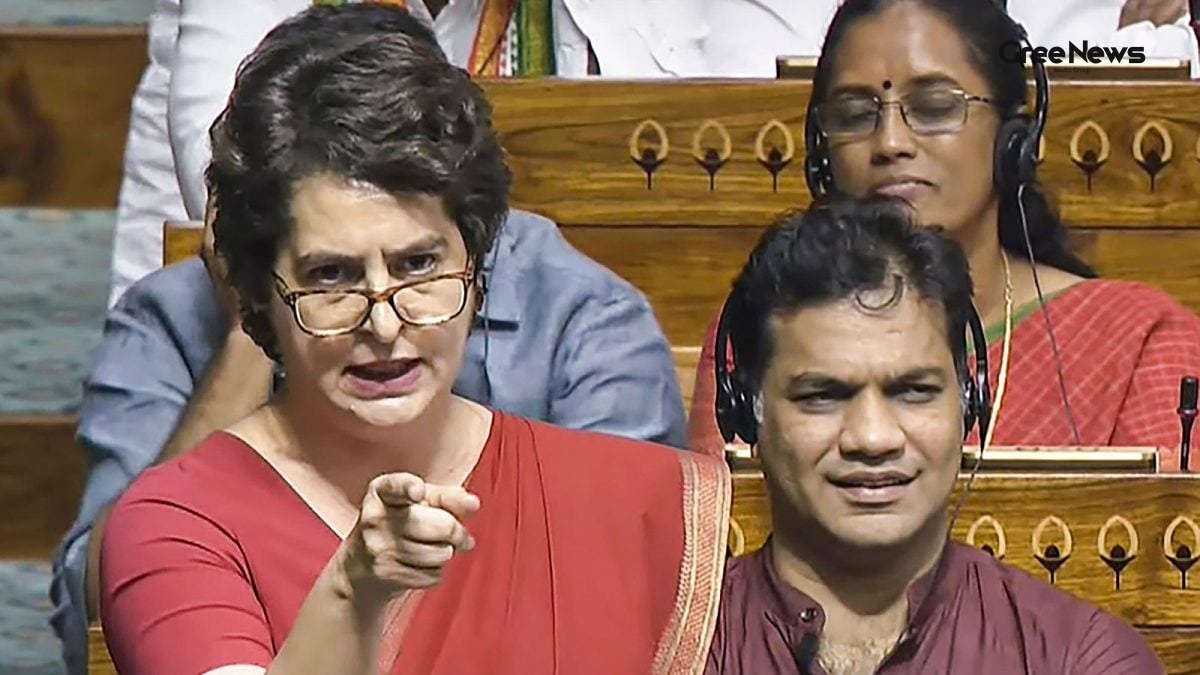
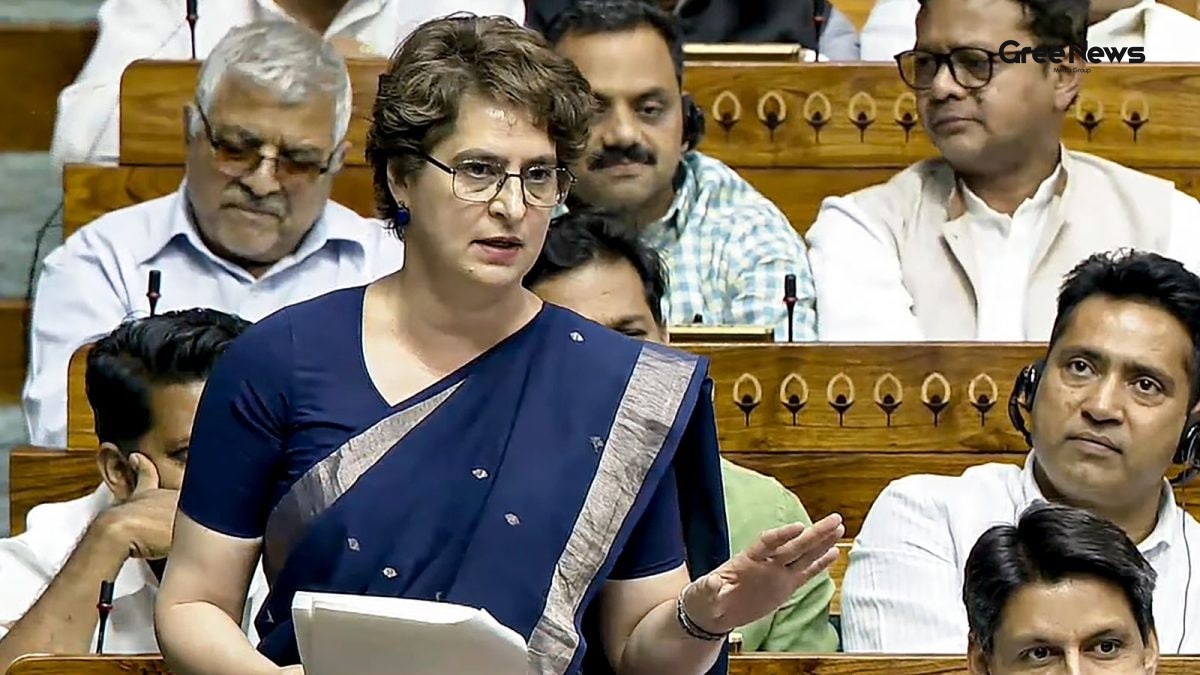
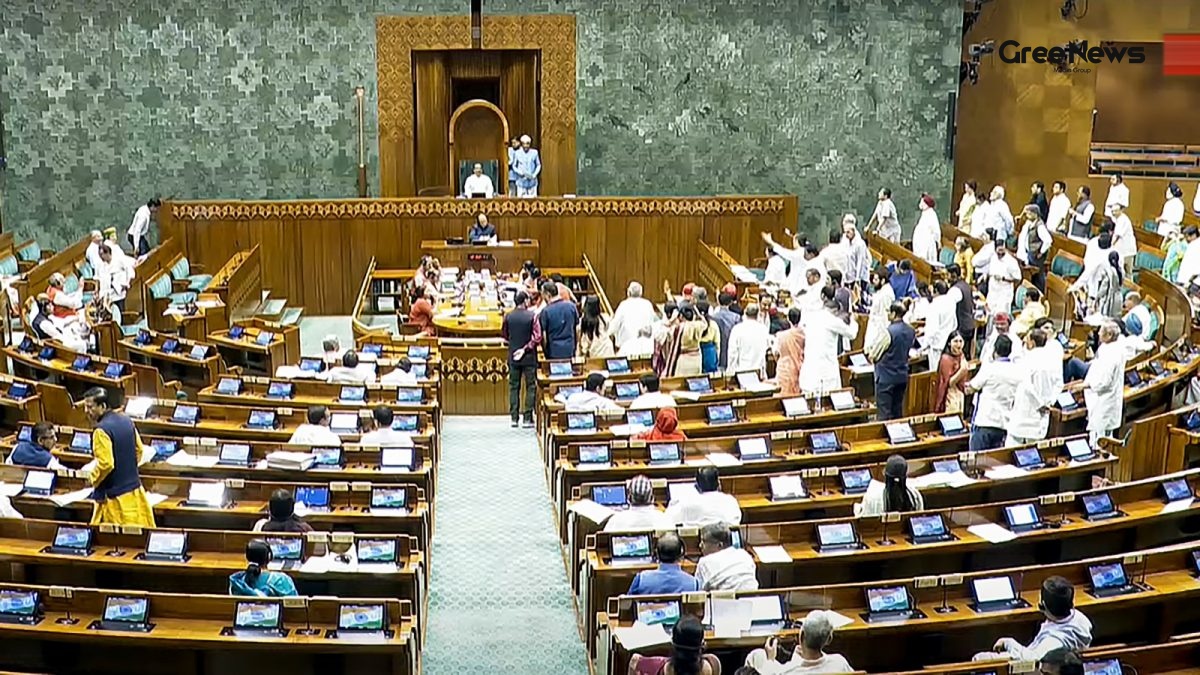
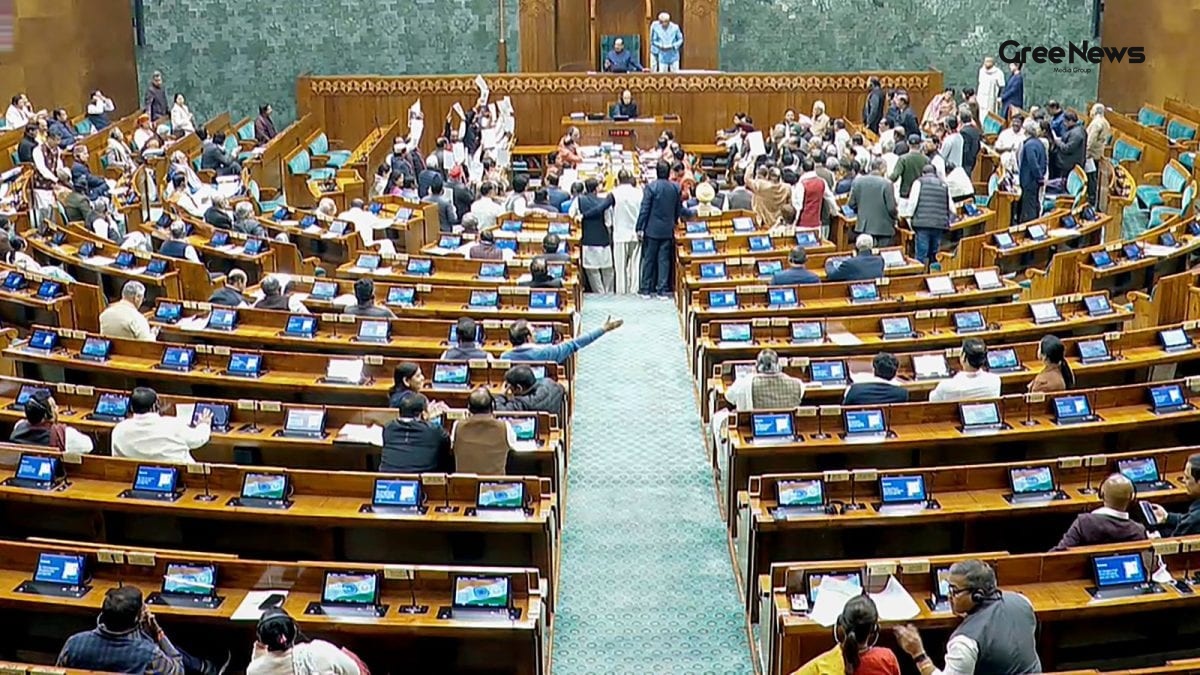
What happened next is interesting the notification came right in the middle of a special session of Parliament where the Constitution (131st Amendment) Bill was being debated. The debate was pretty intense; you could sense the heat in the house from the way the reporters described it. In most cases, such discussions tend to get a lot of media coverage, and sure enough, this became trending news India within minutes.
What the notification actually says
According to the notification released by the law ministry, the Women’s Reservation Act, 2023 "gives a 33 percent quota to women in legislatures" and states that the provisions shall come into force on the 16th day of April, 2026. The exact wording is: “In exercise of the powers conferred by sub-section (2) of section 1 of the Constitution (One Hundred and Sixth Amendment) Act, 2023, the Central Government hereby appoints the 16th day of April, 2026 as the date on which the provisions of the said Women’s Reservation Act, 2023 shall come into force.”
Many people were surprised by this because the Parliament is currently debating amendments to the Women’s Reservation Act, 2023 that would affect its implementation timeline. The central government’s move to notify the Women’s Reservation Act, 2023 now, while still discussing changes for its rollout in 2029, raised a lot of eyebrows.
Why the delay? The link to delimitation and the census
Here’s where it gets a bit technical but also quite logical. The Women’s Reservation Act, 2023 was originally tied to the completion of a delimitation exercise after the 2027 Census. In simple terms, that means before the seats can be reserved for women, the electoral boundaries need to be redrawn based on the new population data. This process is essential to ensure that the 33 percent quota is distributed fairly across all constituencies.
Because the delimitation can only start after the census, the actual enforcement of the Women’s Reservation Act, 2023 cannot happen before the next round of elections that follow that exercise. Officials have hinted that the reservation could start being applied around 2029 that’s when the new constituency map would be ready.
What’s fascinating is that the Women’s Reservation Act, 2023 was passed back in September 2023, often referred to as the ‘Nari Shakti Vandan Adhiniyam’. It was hailed as a massive step toward gender parity in the Lok Sabha and state legislative assemblies. The act initially said the reservation would not become enforceable before 2034 because it was linked to the delimitation after the 2027 Census. So, the notification of 2026 is more of a legal activation rather than immediate implementation.
How this news caught people’s attention across the country
After the notification, the story went viral on social media. I saw friends sharing memes that said, “Finally, a seat at the table for women!” and even some cheeky videos on TikTok (or whatever the platform is called now) where youngsters pretended to be “reserved” candidates. It turned into a kind of cultural moment you could sense that the public was genuinely excited.
In most Indian households, political discussions happen over dinner, and this time you could hear grandparents, parents, and kids all talking about the Women’s Reservation Act, 2023. Some were proud, others were skeptical about how quickly the changes could be rolled out. The conversation felt like a true reflection of India’s diverse perspectives.
Of the many comments I read, one stood out: a young woman from Hyderabad wrote, “It’s about time we see more women in our assemblies. The Women’s Reservation Act, 2023 gives us hope.” That kind of personal hope is exactly what makes this news so engaging it’s not just a legal document, it’s a promise people are holding onto.
What the Parliament is debating right now
While the Women’s Reservation Act, 2023 is officially in force, the Lok Sabha is currently debating three bills that aim to fine‑tune the implementation details. The core idea of these bills is to set the stage for the quota to be applied in the elections scheduled after the delimitation. The government wants the women’s reservation to be effective in 2029, but the exact mechanisms are still being hashed out.
One of the key issues being discussed is the timing of the delimitation exercise. Experts argue that if the delimitation is delayed, the reservation could slip beyond 2029, potentially reshaping the political timeline altogether. Others are pushing for a smoother transition, suggesting that the Women’s Reservation Act, 2023 could be integrated gradually, starting with a few states as a pilot.
Several members of Parliament voiced concerns about the logistical challenges preparing electoral rolls, ensuring awareness among voters, and training political parties for a new reservation framework. The debate is quite heated, but you can feel that the intention behind Women’s Reservation Act, 2023 is gaining a solid footing in the legislative process.
Impact on upcoming elections and political parties
If the Women’s Reservation Act, 2023 is implemented as planned, political parties will have to field more women candidates. This could dramatically change campaign strategies. Imagine a BJP rally where half the speakers are women, or a Congress event highlighting female leadership in every constituency that’s a visual shift many are already anticipating.
For smaller regional parties, the quota could be both an opportunity and a challenge. On one hand, they can showcase fresh female faces to attract new voters; on the other hand, they need to ensure these candidates have the necessary support and resources.
Legal and constitutional aspects
The Women’s Reservation Act, 2023 is a constitutional amendment specifically, the Constitution (One Hundred and Sixth Amendment) Act, 2023. This means it carries the highest level of legal authority in India. The amendment not only introduces the 33 percent quota but also stipulates the conditions under which the reservation will become effective, linking it to the delimitation process.
Legal scholars have pointed out that the activation of Women’s Reservation Act, 2023 through the notification is a procedural step that fulfills the requirement of bringing a constitutional amendment into operation. However, the real test will be how the courts interpret any disputes that arise when the quota is finally applied.
There have already been a few public interest litigations filed, questioning whether the timeline set by Women’s Reservation Act, 2023 is realistic given the current pace of the census and delimitation. The courts are yet to give a definitive ruling, but the fact that these petitions are being filed shows how seriously people are taking the implementation.
Public reaction and social media buzz
On platforms like Twitter and Instagram, you’ll notice a flood of hashtags #WomenReservationAct2023, #33PercentWomen, #NariShaktiVandan. People are not just sharing news articles; they’re posting personal stories about women in their families who have inspired them to enter politics. One user posted a picture of his mother, a school teacher, with a caption: “She taught me that leadership has no gender. Women’s Reservation Act, 2023 gives her the seat she deserves.”
Even the entertainment industry jumped in. A popular Bollywood actress posted a short video saying, “I’m supporting Women’s Reservation Act, 2023 because we need more women at the decision‑making table.” The video quickly went viral, adding to the overall momentum.
From a SEO standpoint, you’ll see this story appearing in the latest news India feeds, as well as in breaking news sections of many portals. The combination of legal importance and human interest makes it a perfect example of viral news that keeps readers hooked for a long time.
What I think will happen next
Personally, I feel optimistic. The notification of Women’s Reservation Act, 2023 is a signal that the government is serious about gender parity. The real challenge now is the execution the delimitation after the 2027 Census, the political will to field women candidates, and the public’s readiness to embrace this change.
What’s likely is that we’ll see a flurry of activity in the next few years: political parties holding internal nominations for women, NGOs running awareness campaigns, and perhaps even some pilot projects in states that will test the waters before the nationwide rollout.
All in all, this is a turning point in India’s democratic journey. If you ask me, the Women’s Reservation Act, 2023 could become a benchmark for other social reforms, showing that a constitutional amendment can translate into real‑world impact when the gears of bureaucracy, politics, and civil society move together.
So, keep an eye on the upcoming developments the next few months will be crucial, and I’ll definitely be following the story closely. After all, it’s not every day that you see such a decisive step toward gender equality in Indian politics.