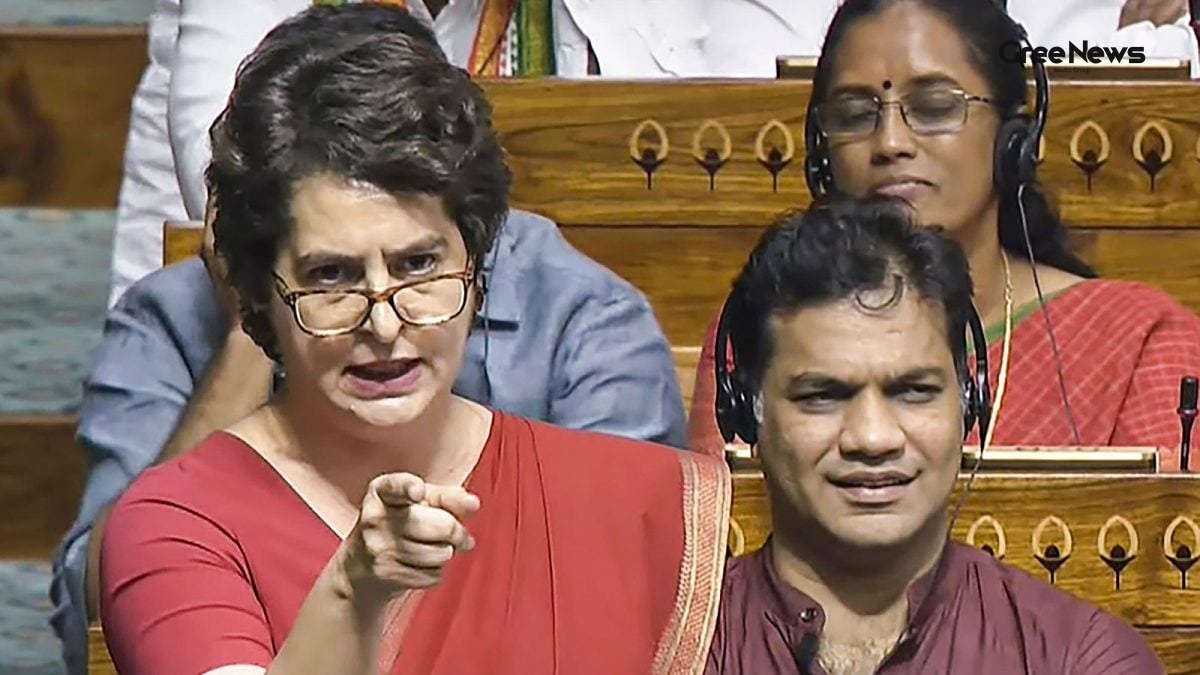
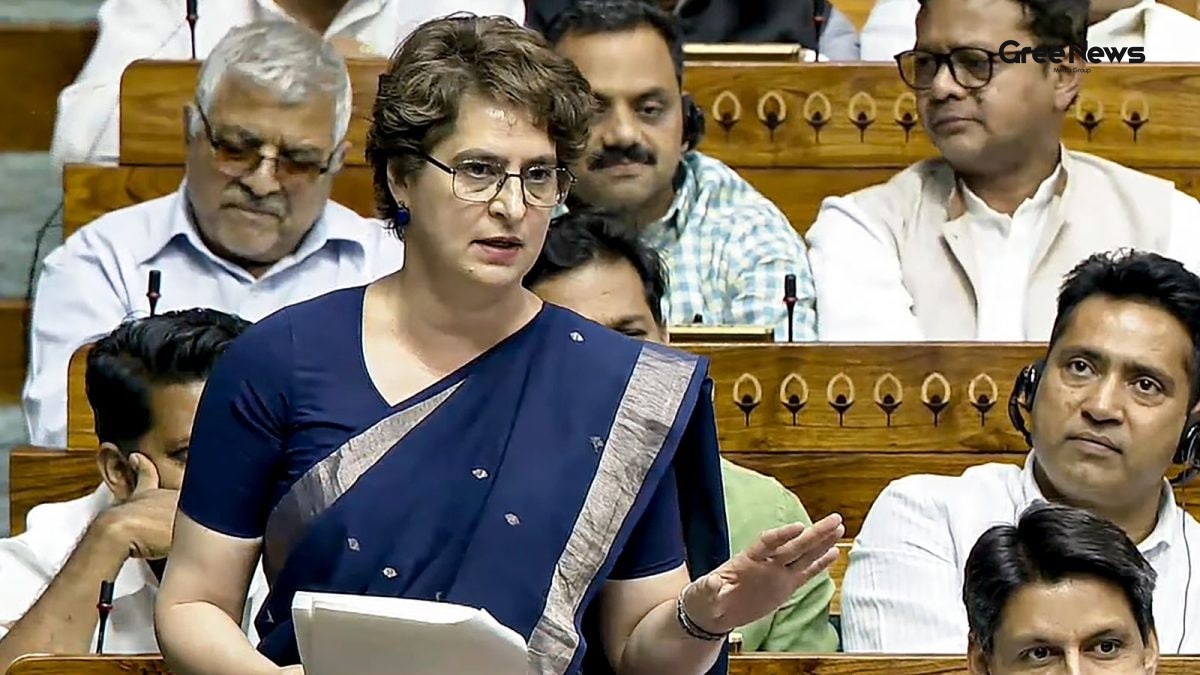
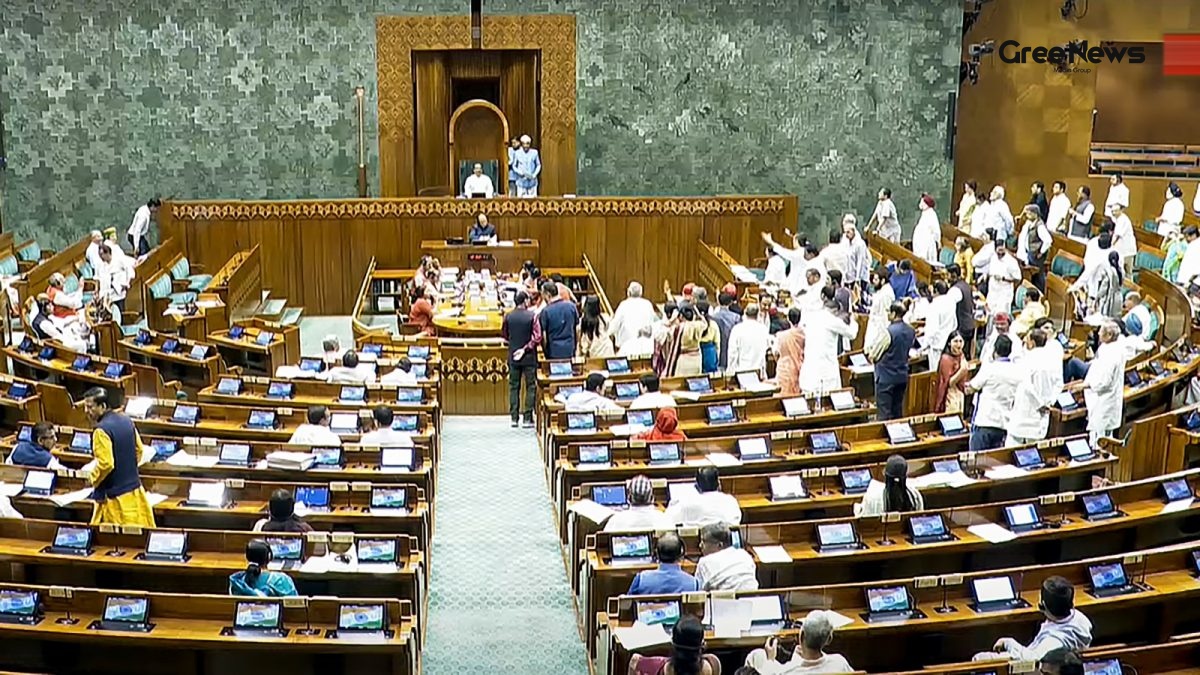
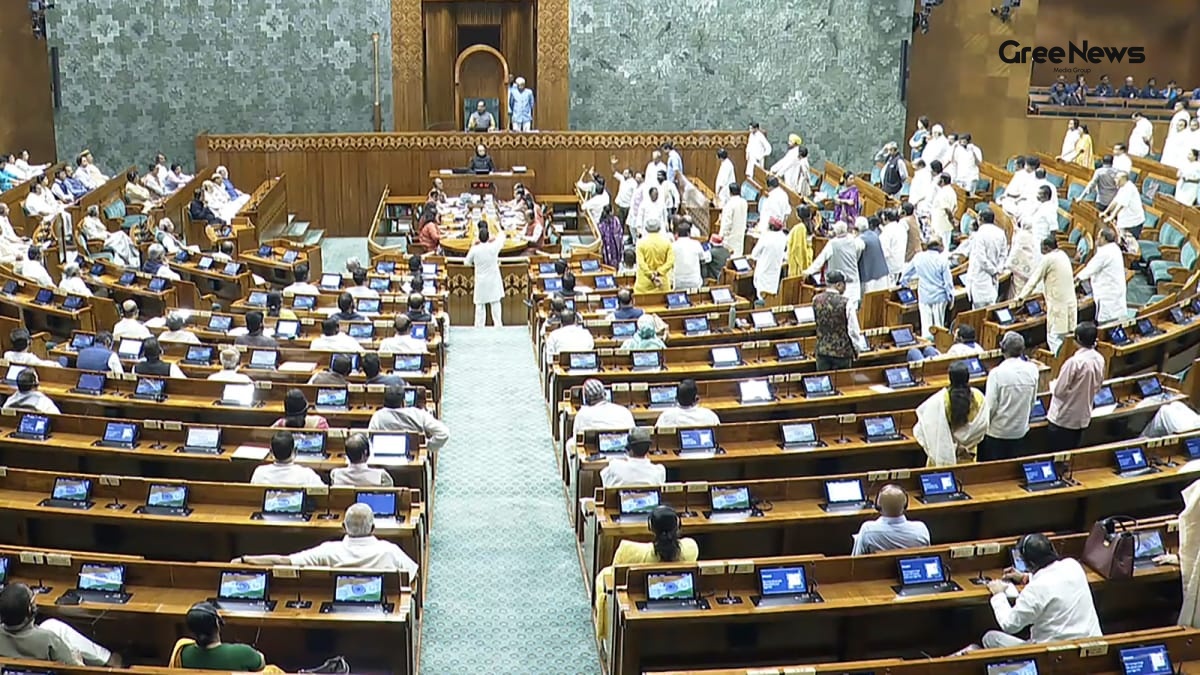
Honestly, when I turned on the TV that evening, I was expecting some routine debate, maybe about budget allocations or a new scheme. Instead, I got a front‑row seat to what felt like a high‑octane political drama breaking news that had the entire nation glued to the screen. Union Home Minister Amit Shah walked into the specially convened Parliament session with a promise that sounded almost too good to be true: a "no‑loss" guarantee for the southern states in the upcoming delimitation of Lok Sabha seats.
What caught people's attention was the sheer scale of the proposal. Instead of the usual 543‑seat Lok Sabha, the government is looking to expand the house to an impressive 850 seats. This, according to Union Home Minister Amit Shah, is not just a random increase but a carefully calculated cushion that would make room for a much‑needed women’s reservation while also rewarding states that have managed to keep their population growth in check. In most cases, such a massive overhaul would spark a firestorm, but the Home Minister framed it as a mathematically inevitable step to keep the balance of power intact.
The Home Minister provided specific projections to illustrate this proportional growth across the Deccan region
Union Home Minister Amit Shah went straight into numbers, laying out a clear picture of how each southern state would benefit. Tamil Nadu, for example, is set to see its seats rise dramatically from 39 to 59, keeping a steady 7.23 per cent share of the enlarged house. Karnataka is not far behind its tally is projected to jump from 28 to 42, translating to a 5.14 per cent share. Andhra Pradesh, too, is slated for a boost, moving from 25 seats to 38, which would give it about 4.65 per cent of the total. Even states that have been praised for strict population stabilisation, like Telangana and Kerala, are not left out. Telangana’s seats would increase from 17 to 26 (3.18 per cent), while Kerala would grow from 16 to 20 (3.67 per cent). All these figures were presented as part of a pro‑rata model that uses the 2011 Census as a baseline, effectively "freezing" the relative political weightage of the south.
This narrative felt like a relief valve for many of us who have been hearing the same old complaints about the "Hindi Heartland" swallowing the voice of the Peninsula. Union Home Minister Amit Shah repeatedly stressed that the absolute rise in seats across the South was a guarantee that the northern dominance would not erode the representation of the southern states. The Home Minister even likened the move to a safety net a way to ensure that the southern voice stays loud and clear when the map is redrawn for the 2029 general elections.
Why the 2011 Census Baseline Matters A Simple Explanation
Now, you might wonder why the government chose the 2011 Census as the reference point instead of the more recent population figures. The answer, as explained by Union Home Minister Amit Shah, is simple: it allows the administration to "freeze" the political weightage that the southern states have earned over decades of effective family planning. By anchoring the calculations to the 2011 data, the Government can prevent sudden shifts that could otherwise disadvantage the south in the next delimitation round. In most cases, this approach also sidesteps the contentious political debates that arise when newer data shows dramatic demographic changes, especially in fast‑growing northern states.
From a practical standpoint, it also means that the southern states can plan their political strategies with a clearer picture of seat allocation. Imagine being a party worker in Chennai, watching the news and trying to figure out how many candidates you can field these projections give you a solid starting point. In fact, many political analysts across the country have labelled this move as a "trend‑setter" in Indian electoral mathematics, calling it one of the most important developments in the latest news India.
Opposition Views The Gap Still Widening?
However, the debate is far from settled. Opposition leaders from the South have pointed out a critical nuance: while every southern state gains seats, the absolute number of seats allocated to the North, especially to the massive state of Uttar Pradesh, is set to increase at an even faster rate. For instance, Uttar Pradesh which already commands a huge share of the Lok Sabha is projected to pick up a significantly larger number of seats compared to the gains in Tamil Nadu. This, they argue, could widen the absolute seat gap between the North and South, even if the proportional shares remain balanced.
Many people were surprised by this counter‑argument because it challenges the "no‑loss" narrative that Union Home Minister Amit Shah has been championing. The opposition contends that the real test will be whether the increased numbers translate into real political clout for the South, or if they simply become another set of numbers on paper while the northern states continue to dominate key decision‑making arenas.
What This Means for the Upcoming Delimitation Commission
As the Delimitation Commission gears up to start its work, the story has become a part of the trending news India, sparking heated discussions on talk shows, WhatsApp groups, and even the chai stalls across the country. The Commission, slated to begin its deliberations soon, will have to balance these projections with the on‑ground realities of demographic changes, urbanisation trends, and political pressures.
Union Home Minister Amit Shah's "proportional growth" narrative is likely to serve as the main shield against accusations of regional marginalisation. The Home Minister has repeatedly said that this expansion is the only mathematically viable way to redraw the map in time for the 2029 elections, and that any alternative would either shrink the House or compromise on the long‑awaited women’s reservation.
In most cases, the Commission's job will involve a lot of data crunching, public hearings, and political negotiations. The story has already become viral news, with memes circulating that poke fun at the sheer size of the proposed 850‑seat Lok Sabha, while others cheer the prospect of increased representation for the South.
Personal Takeaway Why It Matters to the Everyday Indian
From my perspective, watching this unfold felt like an eye‑opener about how much of our democratic structure depends on numbers and formulas that most of us never think about. The promise of a "no‑loss" guarantee sounds reassuring, but the reality is that politics is always a game of numbers and perception. If the southern states truly get the seat bump they expect, it could mean stronger regional representation, more attention to local issues like water management in the Deccan, and perhaps a better platform for emerging leaders.
At the same time, the fear that the North, especially Uttar Pradesh, continues to dominate the national agenda is not unfounded. Many of us have seen how central policies often reflect the priorities of the most populous states. So the whole picture is yes, there is growth for the South, but the overall balance of power may still tilt northward if the absolute seat counts keep widening the gap.
All this makes me wonder what the next big "India updates" will look like will we see a more equitable political arena, or will the existing disparities merely get a new statistical label? Only time will tell, but for now, this story remains a staple of the latest news India, and it’s something every citizen should keep an eye on.
Looking Ahead The Road to 2029
Looking ahead, the real test will be how the 850‑seat Lok Sabha performs once it’s in place. Will the increase actually translate into better governance, more inclusive policies, and a stronger voice for women? Or will it just add another layer of bureaucracy? The answer will likely become clearer as the Delimitation Commission releases its final report and the next general elections approach.
Until then, the debate will continue to dominate news feeds, with journalists, analysts, and everyday citizens alike weighing in. It’s a classic example of how a constitutional amendment can ripple through every layer of society from political strategists in Delhi to tea‑stall owners in Bangalore, all watching the numbers and waiting to see how the story unfolds. This is the kind of breaking news that keeps the nation awake at night, and it’s definitely going to stay in the spotlight as part of the trending news India for weeks to come.