First steps after the splashdown
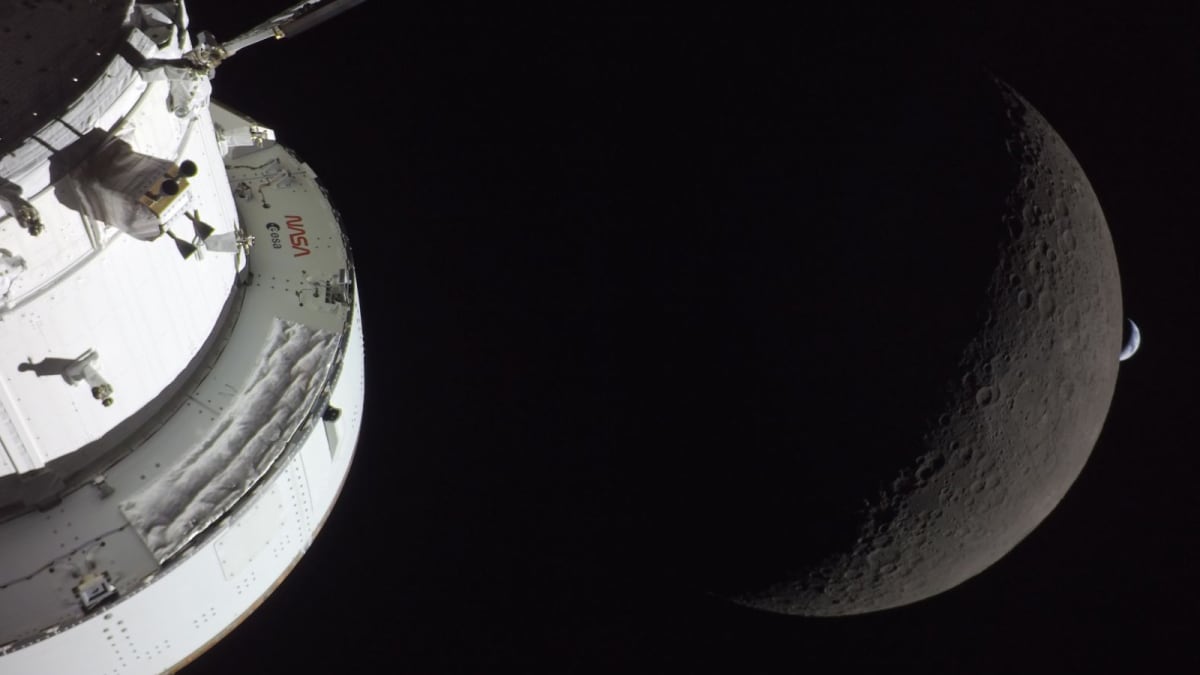
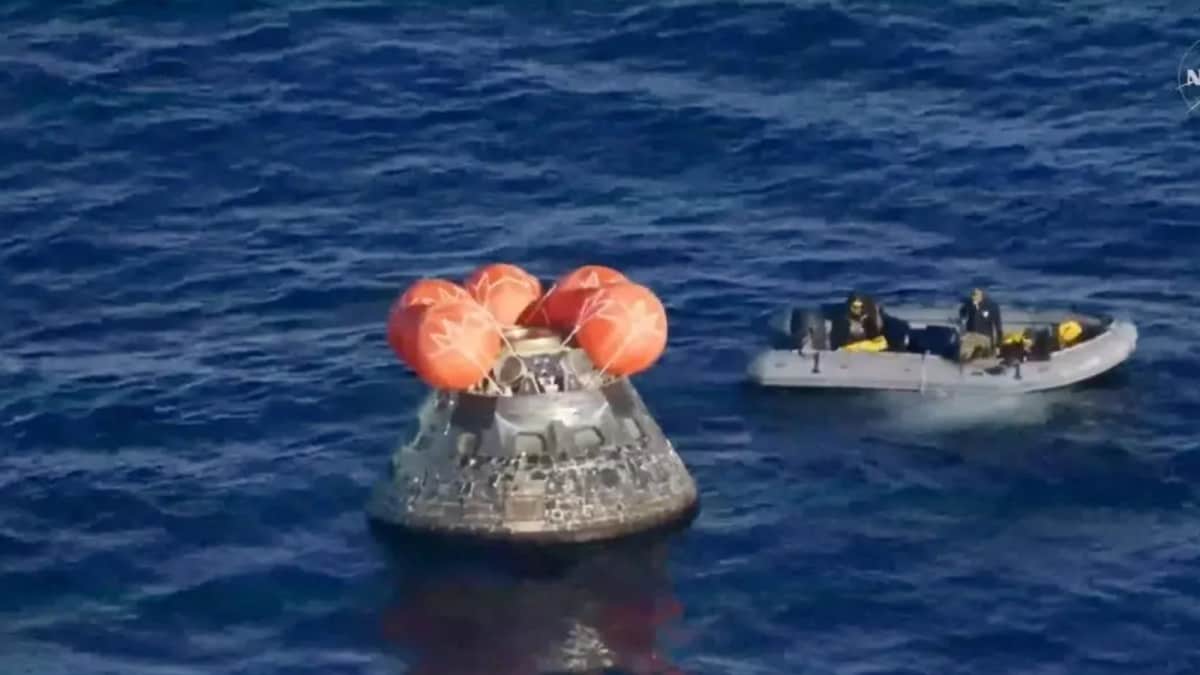
When the Orion capsule finally hit the water, the whole world was glued to the screen, waiting to see if Commander Reid Wiseman, Christina Koch, Victor Glover and Jeremy Hansen would be safe. The splashdown itself was a bit like a monsoon flash flood – sudden, noisy, but in the end, a relief that the water finally caught the spacecraft. Within an hour or so, recovery teams lifted Commander Reid Wiseman, Christina Koch, Victor Glover and Jeremy Hansen onto a ship and zipped them to the waiting helicopters. But instead of a comfortable lounge, the astronauts were taken straight to a bustling NASA facility in Houston.
In most cases, after a ten‑day lunar flyby, one would expect the crew to rest, get a hot cup of tea, maybe even watch a cricket match on a tablet. Not this time. NASA had planned a rapid hand‑over: an immediate series of medical checks, followed by a full‑scale simulation that would test how quickly the human body could readjust to Earth’s gravity. Commander Reid Wiseman, Christina Koch, Victor Glover and Jeremy Hansen were told they would be suited up in their bulky spacesuits and run through an obstacle course that mimics the work they would have to do on the Moon.
Where will the tests take place?
All of the action will happen at NASA’s Johnson Space Center in Houston, a place that feels a bit like an Indian railway station during rush hour – a lot of movement, lots of people, and a constant hum of machinery. Engineers there have set up a robotic crane system known as the Active Response Gravity Offload System, or ARGOS. This clever rig can partially lift the weight of an astronaut, creating a reduced‑gravity environment similar to the lunar surface, which is about one‑sixth of Earth’s gravity.
ARGOS works like those weight‑training machines you see in gymnasiums, but far more sophisticated. By adjusting the amount of support, the system can simulate everything from a full Earth‑gravity pull to a lunar‑like lightness. Commander Reid Wiseman, Christina Koch, Victor Glover and Jeremy Hansen will be attached to this system while walking, climbing, and handling tools, giving scientists a real‑time picture of how their bodies respond after a trip through micro‑gravity.
For those of us living in crowded Indian cities, the sight of a massive crane lifting an astronaut feels a bit like watching a towering crane lift a fully loaded truck in a construction site – only the truck is a human being and the stakes are a lot higher.
Why is NASA doing this?
NASA’s main goal is simple: find out how fast the human body can reclaim its strength, balance and coordination after floating in space for days. In space, muscles atrophy, the heart gets a bit lazy, and the inner‑ear system that helps us stay upright gets confused. When Commander Reid Wiseman, Christina Koch, Victor Glover and Jeremy Hansen finally feel the pull of Earth’s gravity again, they might look a bit wobbly, just like someone who has been on a long train journey and steps onto a moving bus.
From the International Space Station, scientists have long known that astronauts often appear shaky and fatigued after returning. The Artemis II mission adds a new twist because it is the first crewed flight that went around the Moon and came back. By putting Commander Reid Wiseman, Christina Koch, Victor Glover and Jeremy Hansen through a realistic lunar‑work simulation right after splashdown, NASA hopes to collect data that will answer questions like: How long does it take for fine motor skills to recover? When can a crew safely start a lunar EVA without risking injury?
In most cases, the data will help shape the schedule for Artemis III, the mission that plans to land humans on the Moon’s surface. If the numbers show that recovery is quick, future crews might be able to start lunar surface activities sooner, saving time and resources. It also helps NASA plan for trips farther away, such as a crewed mission to Mars where the gravity is somewhere between Earth and the Moon, and the journey lasts for many months.
What happens right after splashdown?
Within one to four hours after the capsule hits the water, Commander Reid Wiseman, Christina Koch, Victor Glover and Jeremy Hansen will begin a capsule‑escape drill. The drill uses a mock‑up of a lunar lander, and the astronauts will be dressed in training gear, not their full spacesuits, to keep things quick. They must sit up, deploy a ladder, climb out, carry equipment and walk a short distance. The whole idea is to simulate a worst‑case scenario where, after landing on the Moon, the crew may need to exit the lander quickly because of an emergency.
This part feels a bit like when you have to get out of a crowded local train during rush hour – you have to push your way through, find the door, and step out onto a bustling platform. The same urgency applies, only the stakes are higher and the environment is simulated.
After the initial drill, the next day Commander Reid Wiseman, Christina Koch, Victor Glover and Jeremy Hansen will take part in a simulated lunar extravehicular activity, or EVA. They will be dressed in liquid‑cooling garments and full‑pressure spacesuits, just like they would be on the Moon. The suits will be connected to ARGOS, which will offset a large part of their weight, making the experience feel similar to moving on the lunar surface.
What does the obstacle course look like?
The obstacle course lasts about thirty to forty minutes and is designed to be physically demanding – not because NASA wants to tire out the astronauts, but because it wants to mimic real lunar work. Commander Reid Wiseman, Christina Koch, Victor Glover and Jeremy Hansen will have to descend ladders, walk over uneven terrain, navigate steep inclines on a treadmill, and perform geology sampling tasks like hammering and digging.
One part of the course involves carrying weighted bags over a bumpy surface. Imagine a rickshaw driver in Delhi loading heavy sacks of grain onto a vehicle and trying to steer through potholes – that’s the kind of challenge the astronauts will face, except the bags are attached to their suits and the ground is simulated lunar dust.
Another segment asks Commander Reid Wiseman, Christina Koch, Victor Glover and Jeremy Hansen to use tools while wearing helmets that limit their field of vision. This mirrors the actual difficulty of handling a drill or a hammer on the Moon when you can’t see your hands clearly.
Throughout the course, researchers will record heart rate, oxygen consumption, speed of task completion and how well the astronauts maintain balance. All these numbers will feed into a larger database that will help design future missions.
Why is the course physically demanding?
The course is meant to replicate the real conditions that astronauts will encounter on the lunar surface. In the thin lunar atmosphere, every movement feels heavier, and the lack of air resistance makes balance tricky. Commander Reid Wiseman, Christina Koch, Victor Glover and Jeremy Hansen must squat, bend, and reach for equipment, just as a construction worker in Mumbai might have to crouch under a low ceiling while carrying cement bags.
Fine‑motor tasks such as hammering a rock or collecting a soil sample are also part of the routine. On Earth, you can feel the weight of the hammer, but inside a spacesuit the feedback is muted, much like trying to type on a phone with gloves on. This makes the job harder and gives scientists a clear picture of how quickly the astronauts can adapt after being in micro‑gravity.
By pushing Commander Reid Wiseman, Christina Koch, Victor Glover and Jeremy Hansen through these demanding movements, NASA can see whether the astronauts need additional rehabilitation before they can safely start real lunar work. The data will also highlight any individual differences – perhaps one of the astronauts recovers faster than the others, which could influence how tasks are assigned in future crews.
How does this help future missions?
The information gathered from this rapid post‑flight testing will be a key piece in the puzzle of planning Artemis III and later lunar missions. If the numbers show that Commander Reid Wiseman, Christina Koch, Victor Glover and Jeremy Hansen can regain functional strength within a few hours, mission planners might schedule surface operations much sooner after landing.
For long‑duration missions, such as a crewed voyage to Mars, the findings are even more crucial. A Mars mission would involve a much longer stay in micro‑gravity, and the transition back to a higher‑gravity environment (Mars has about one‑third of Earth’s gravity) will be a major challenge. Understanding how the human body reacts after a short lunar trip helps scientists model the longer adaptation period needed for a Martian journey.
Besides the hard science, the whole exercise also teaches NASA how to run a smooth, high‑tempo post‑landing operation. The same kind of rapid assessment could be used in emergency scenarios, where a crew may need medical clearance before they can move on to the next phase of a mission.
All in all, the obstacle‑course test is less about exhausting the astronauts and more about gathering precise data that will shape the future of human space exploration. The lessons learned will travel from Houston’s labs to the lunar surface, and perhaps one day to the red deserts of Mars.
Personal reflections and everyday analogies
Watching Commander Reid Wiseman, Christina Koch, Victor Glover and Jeremy Hansen go through this test reminded me of the first time I tried to ride a cycle after a long break – the wobble, the need to balance, the sudden realization that the muscles had forgotten their job. That feeling of “my legs are not listening” is exactly what scientists hope to quantify for these astronauts.
In India, we often see athletes doing intense post‑match physiotherapy right after a game. The same principle applies here: the faster the recovery, the sooner the body can perform at its best again. It’s just that instead of a cricket pitch, we have a high‑tech crane and a lunar‑simulated terrain.
Even the simple act of getting out of a bus during rush hour – trying not to drop your bag, keeping your balance, and moving quickly – mirrors the capsule‑escape drill that Commander Reid Wiseman, Christina Koch, Victor Glover and Jeremy Hansen undergo. The difference is that the astronauts have to do it while wearing a suit that weighs as much as a small child.
These analogies make the whole high‑tech experiment feel a bit more relatable, and perhaps that’s why NASA designed it to be as realistic as possible – they want to see the astronauts’ bodies behave the same way they would on the Moon, not just in a sterile lab.