Netizens used AI to give the US VP a local makeover during the Pakistan visit
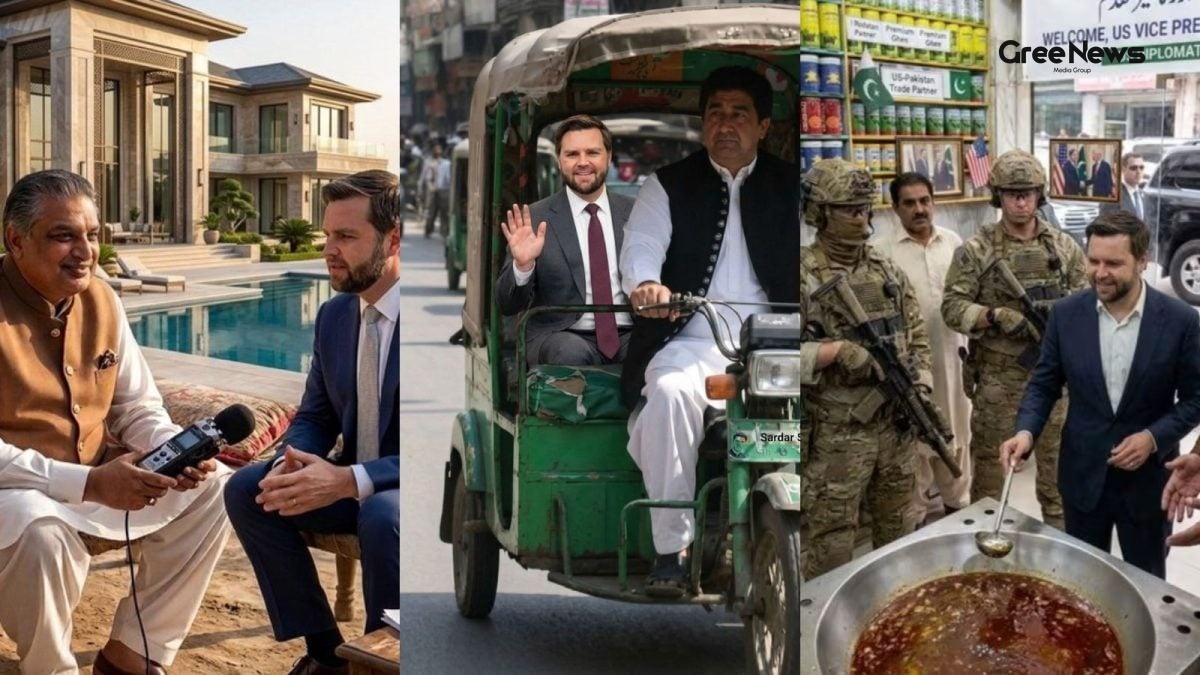
When JD Vance stepped onto Pakistani soil, the reaction on social media in India was far from ordinary. Instead of sticking to the usual political commentary, a wave of creative minds turned to artificial intelligence to redesign JD Vance’s appearance, adding a touch of local flavour. What happened next is interesting the AI‑crafted images instantly exploded as viral news, flooding timelines and sparking endless shares.
At first glance, the concept seemed simple: upload a picture of JD Vance into an AI generator, select a traditional Pakistani outfit, and let the algorithm do its magic. But the simplicity masked a deeper cultural play. Netizens weren’t just changing a suit; they were weaving in elements of Pakistani culture shalwar kameez, kurta pajamas, embroidered vests and then blending them with Indian pop‑culture references like Bollywood posters and cricket fan gear.
One meme featured JD Vance wearing a bright Green shalwar kameez with intricate zari work, standing next to a plate of biryani. The caption read, “When you’re on a diplomatic trip but your stomach is already in India.” This particular visual struck a chord because it combined the familiar taste of Indian cuisine with a political figure who was, technically, visiting a neighbouring country. The humor was subtle, yet the meme managed to become a piece of breaking news on many Indian platforms.
Why the AI makeover caught people’s attention
In most cases, political images remain untouched unless a scandal surfaces. This time, however, the AI tools offered a fresh canvas. The novelty of seeing the US VP in traditional attire made the content instantly shareable. People loved seeing JD Vance in a turban, a look more common in northern India, which added an unexpected twist. The added element of AI made the transformation look hyper‑realistic, blurring the line between actual photographs and digital art.
Many people were surprised by this because traditional diplomatic coverage rarely includes meme culture. Yet the internet’s appetite for quirky, relatable content turned JD Vance’s visit into a trending news story in India. The memes weren’t just funny; they were a commentary on how global politics can be interpreted through a local lens.
What made the memes spread like wildfire was the timing. The images were released just as the Pakistan‑India diplomatic chatter was heating up. With the public already scanning for the latest updates, the AI‑generated JD Vance memes offered a lighter, more digestible alternative to the serious headlines that dominate daily news cycles.
Types of AI‑generated transformations that went viral
Below is a quick rundown of the most popular styles that kept users glued to their screens:
- Traditional Attire: JD Vance in a white shalwar kameez with a matching embroidered shawl, standing beside a historic monument of Pakistan.
- Bollywood Remix: JD Vance featured in a classic Bollywood movie poster, complete with dramatic lighting and a tagline like “Diplomacy Meets Drama”.
- Cricket Fan Version: JD Vance holding a cricket bat, dressed in a jersey sporting the Indian flag colours, with a caption that read, “Ready for the next over?”
- Street Food Edition: JD Vance enjoying a plate of pani puri, with a bustling Indian market background, highlighting the foodie culture that many Indians love.
- Social Media Influencer Look: JD Vance with a selfie stick, wearing oversized sunglasses and a Punjabi suit, mimicking a typical Instagram influencer pose.
Each of these categories was shared thousands of times, and the combined effect turned the JD Vance meme saga into a genuine piece of viral news across Indian digital spaces.
Public reaction: laughter, criticism, and everything in between
Social media chatter was a mix of humour, admiration, and a sprinkle of criticism. Some users praised the creativity, saying that the memes offered a refreshing break from the usual political rhetoric. Others worried that the AI‑generated visuals could blur reality and create misinformation.
One popular comment on a major Indian forum read, “When the US VP gets a makeover, you know the internet is doing its job keeping politics light and approachable.” The comment sparked a cascade of replies sharing similar memes, turning the conversation into an endless thread of jokes and observations.
On the other hand, a few critics argued that turning a diplomatic visit into a meme could undermine the seriousness of international relations. They pointed out that while humour is essential, it should not eclipse the actual discussions happening between leaders.
Regardless of the divide, the overall sentiment leaned towards fascination. The meme phenomenon became a part of the trending news India streams, captivating audiences who otherwise might not follow diplomatic visits closely.
How platforms amplified the JD Vance meme wave
Major Indian platforms like ShareChat, Twitter India, and Instagram Reels played a pivotal role. The algorithms, always hungry for high‑engagement content, pushed the memes to the top of user feeds. In most cases, the original posts were tagged with #JDvancememe, #AIMakeover, and #PakistanVisit, creating a searchable trail that made it easier for curious users to jump into the conversation.
One user who posted a meme claimed that within a few hours, the post had reached over a hundred thousand views, prompting even mainstream news portals to pick up the story and report it as a part of breaking news. This cross‑platform synergy turned an isolated online joke into a national conversation.
In most cases, the meme’s shareability stemmed from their eye‑catching visuals and relatable captions. People found the combination of diplomatic context and everyday cultural elements like a cricket bat or a plate of samosa both familiar and entertaining.
Why the story matters for Indian digital media
The JD Vance meme saga highlights a shift in how Indian audiences consume political content. Rather than relying solely on text‑heavy news articles, readers now expect visual storytelling, often powered by AI. This reflects a broader trend where breaking news, trending news India, and viral news are increasingly communicated through short, punchy visuals.
Moreover, the episode confirms that AI can act as a catalyst for content creation, not just a tool for data analysis. When used responsibly, AI‑generated images can foster engagement, spark curiosity, and even bridge cultural gaps as seen when JD Vance was shown wearing a traditional outfit loved by many in Pakistan and India.
From a media business perspective, the episode also teaches publishers that catching the wave of a meme early can translate into higher page views and longer reading times, especially when the content is interwoven with relevant keywords like “latest news India” and “India updates”. The story proves that even a diplomatic visit can become a source of trending news India when it is presented in a format that resonates with the internet‑savvy audience.
Future implications: AI, memes, and political discourse
Looking ahead, the JD Vance meme chapter may become a reference point for future political events. As AI tools become more accessible, we may see more figures from across the globe undergo similar digital makeovers. The key will be balancing humour with responsibility, ensuring that the memes remain entertaining without spreading false narratives.
Many observers believe that this blend of AI‑driven visual content and political commentary could redefine how the Indian public engages with global news. The internet, after all, loves a good story that mixes seriousness with a dash of fun.
So, the next time a world leader visits a neighbouring country, keep an eye on the comment sections you never know which AI‑created meme might become the next piece of viral news that dominates Indian social feeds.
top videos
Swipe Left For Next Video