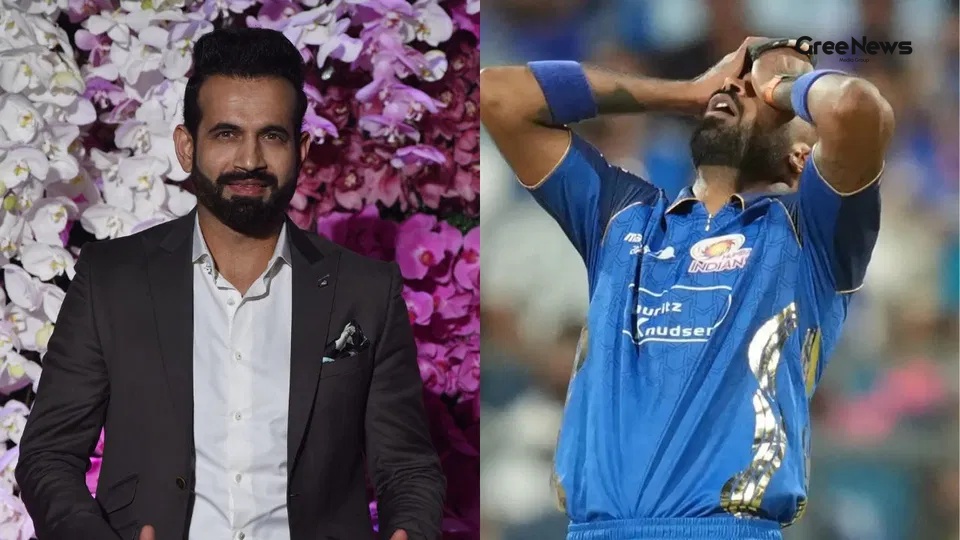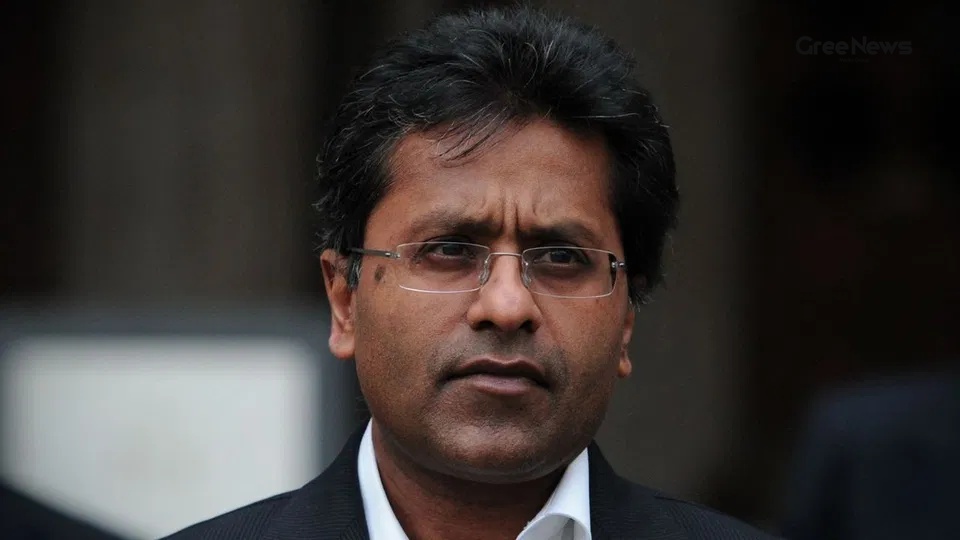
So, the other day I was scrolling through my feed, looking for some latest news India about cricket, when I stumbled upon a clip that immediately felt like breaking news. It was Lalit Modi the man who gave us the IPL sitting across from England veteran Michael Vaughan on the YouTube show ‘The Overlap Cricket’. What followed was an unfiltered, almost fiery, take on England’s new hundred‑ball league, The Hundred.
Honestly, watching that episode felt like sitting in a cramped café in Mumbai, listening to a seasoned pundit dissect a match over chai. Modi didn’t just give a polite opinion; he went full throttle, questioning everything from the league’s profits to its rule‑book. And trust me, the way he threw the questions at Vaughan made this conversation quickly turn into something that caught people's attention across social platforms.
Lalit Modi’s First Strike: Money Talk
When the discussion shifted to money the lifeblood of any sport these days Modi fired the first salvo. "I don't know what you guys are doing in England… I don't know what the hell you're doing here. Have you made money here? Have you made some money?" he asked, his tone sharp enough to make you feel the weight of each word.
He then pulled out a figure, reminding Vaughan of a €395 million loan figure that supposedly fuels The Hundred’s operations. "Who’s made that money?" he pressed. The question wasn’t just about bookkeeping; it was a direct jab at the financial opacity surrounding the league.
From where I was watching, it felt like a classic IPL versus The Hundred showdown the former a cash‑generating behemoth, the latter still trying to find its footing. Many people were surprised by this candid financial grilling, and the comment section exploded with fans debating the numbers.
IPL vs The Hundred: The Profit Gap
For those who might not be familiar with the exact numbers and trust me, I double‑checked the IPL pulls in about ₹200 crore per franchise each season, translating into a total annual revenue close to $2.4 billion. In contrast, England’s governing body, the ECB, clocks a yearly revenue of just €319.6 million. The Hundred, which started back in 2021, has already reported early losses running around €9 million over two years.
When Modi laid out this contrast, it felt like he was holding a magnifying glass up to the two leagues. It became clear why, in my view, the IPL’s business model works so well: a massive fan base, lucrative broadcasting rights, and a tried‑and‑tested tournament structure.
This part of the interview quickly turned into trending news India because the financial disparity highlighted a deeper issue can a brand new format survive when it doesn’t have the financial muscle that the IPL enjoys? The answer, according to Modi, seemed pretty straightforward.
The Rulebook Riddle: Five‑Ball Overs
Now, onto something that might sound trivial but actually triggers a lot of debate among cricketers and school kids alike the number of balls in an over. Traditional cricket, the kind we learn playing on the streets of Delhi or the lanes of Chennai, always has six balls per over. That’s the rhythm every kid gets used to.
Modi, with a tone that reminded me of a teacher correcting a student, said, "How many balls are in an over? Five. Or it could be 10 as well. I am a child, I am growing up in school, I’m playing cricket there, and I am taught that there are six balls in a bloody over."
He went on to explain that after five deliveries, the bowler still has to finish the spell, and the batsman loses that natural anticipation of a sixth ball a moment that builds tension and excitement. "Five balls are gone, it’s a crucial wicket to be taken… The sixth ball is coming, everyone is sitting there like this, waiting for it. But here, five balls are gone," he added, noting how this change could confuse anyone who grew up with the six‑ball tradition.
It was a small point, perhaps, but in that instant it turned into viral news among cricket forums. Many fans argued that if the rule feels odd to a school‑boy in India, how will it ever catch on globally?
Why The Hundred Might Never Go Global
Modi didn’t stop at the rulebook. He asked a bigger question that many of us have whispered in cricket circles: can a format that’s only played in England ever become a worldwide phenomenon? He said, "If you don’t know the rules of the game, you might as well kick a football around at the end of the day. But if you don’t teach people in school how it’s played, and it’s only being played in England, how are you going to tell kids back home in India or in America, ‘Hey guys, there’s a new tournament with new rules’?"
That struck a chord with me because, think about it, the IPL’s success isn’t just about cash or star players. It’s about a format that anyone whether you’re watching from a stadium in Mumbai or a small town in Uttar Pradesh can instantly understand. The familiar six‑ball over is part of that universal language.
What happened next is interesting: the conversation shifted from pure criticism to a broader discussion about how cricket, as a sport, needs consistency if it wants to expand beyond its traditional heartlands. This caught people's attention on platforms like Twitter, where many highlighted that cricket’s identity is tied to its classic structures.
Modi’s Takeaway: Structure Over Novelty
To sum up, Modi’s main point was simple The Hundred may have talent and skill, but it’s missing the core identity that makes cricket a global product. He believes the league’s “nonsense” rules and limited reach are the biggest roadblocks.
Listening to him felt like watching an old friend who’s seen the rise of a massive empire (the IPL) now warning another aspiring youngster (The Hundred) about the pitfalls of a shaky foundation. Many people were surprised by how direct and personal his critique was, turning a typical sports interview into something that felt like a personal story.
From an Indian perspective, this interview quickly became a piece of India updates that every cricket lover seemed to share. It reminded us that while innovation is welcome, it must sit on a solid base that respects the game’s long‑standing traditions.