Why Hotels Prefer White Sheets A Quick Snapshot
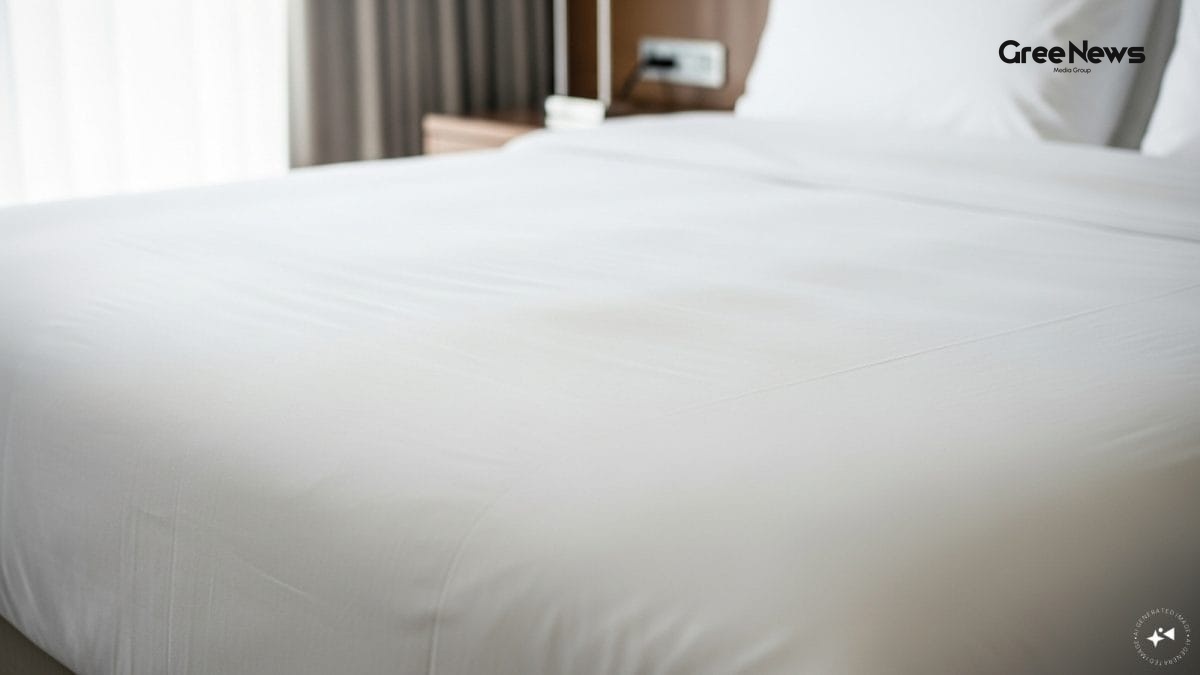
Okay, picture this: you’ve just checked into a hotel after a long train ride from Delhi to Mumbai. You fling open the door, and the first thing that catches your eye is the bed, all dressed up in pristine white sheets. No fancy patterns, no bright colours just that clean, hospital‑like white. Most of us just think, “Nice!” and hop onto the bed, but the story behind those sheets is actually pretty fascinating.
In most cases, the answer boils down to pure practicality. White sheets act like a visual alarm system any stain, hair, or dust speck instantly sticks out like a sore thumb. For housekeepers, that means they can spot a problem in seconds, toss the sheet into the wash, and move on. For guests, the sight of white gives an instant reassurance that the room is clean, fresh, and ready for a good night’s sleep. This simple visual cue is one of those little things that quietly boosts the overall experience, and it’s a reason why you’ll see it in almost every hotel across India, whether it’s a budget stay in Jaipur or a five‑star property in Bengaluru.
Seeing the Dirt: How White Helps Maintain Spotless Cleanliness
When I was staying at a boutique hotel in Kochi, I noticed a housekeeper pulling out a pile of white sheets and giving them a careful once‑over. She pointed out that even a faint brown spot from a spilled tea is glaringly obvious on a white surface. “If we miss a stain, the guest will notice,” she said, wiping her brow. That’s the exact reason white works so well it doesn’t hide anything. It’s like a teacher marking a wrong answer in red; you just can’t ignore it.
Now, think about the massive laundry rooms in major hotel chains. They’re washing thousands of sheets every day. A single colour bleed can ruin an entire batch. By keeping everything white, they eliminate the need to sort sheets by colour. They can just dump them all into one big washing machine, add the right amount of bleach, and be confident that the result will be a uniformly clean sheet. This is especially important for hotels that operate round‑the‑clock, where any delay in laundry can cause a domino effect of room unavailability.
From a guest’s perspective, seeing white also creates a psychological cue. In Indian households, we often associate white with purity think of white wedding sarees, fresh cotton towels after a wash, or the white walls of a newly painted house. So when you see a hotel bed covered in white sheets, your mind instantly says, “Everything’s fresh, everything’s tidy.” It’s a subtle yet powerful way of building trust.
Psychology of White Calm, Simplicity, and Trust
There’s a whole field of colour psychology that says white evokes a sense of calm and clarity. In a busy city like Mumbai or Hyderabad, where you’re constantly surrounded by loud colours, a white bed can act as a mini‑sanctuary. It strips away visual noise and gives your brain a moment to breathe. That’s why many designers use white spaces in offices and hospitals it makes the environment feel less chaotic.
What’s interesting is how this translates to the hospitality sector. When I stayed at a resort in Goa, the white sheets contrasted beautifully with the turquoise sea outside, but more importantly, they gave my mind a neutral ground. After a day of noisy markets and traffic jams, just looking at that clean white blanket helped me unwind. It’s almost as if the colour itself is a part of the service a silent promise that the hotel cares about your comfort.
Even the latest news India and breaking news feeds often highlight how hotels are upping their hygiene standards. During pandemic times, many hotels started promoting “white‑only linen policies” as a way to show they’re taking extra precautions. The whole idea of “seeing the dirt” became a marketing point pure, visible cleanliness that guests could trust.
Operational Benefits Bleach, Detergents, and Streamlined Laundry
From a back‑of‑house viewpoint, white sheets are a laundry manager’s best friend. Let’s dive into why.
- Bleach Compatibility: White fabrics can handle regular bleach without fear of colour fading. Bleach is a strong disinfectant, which means hotels can kill more germs and bacteria an especially attractive point for health‑conscious travellers.
- Stain Removal: Tough stains like wine, coffee, or food crumbs can be treated with stronger chemicals on white material, because there’s no colour to worry about losing.
- Uniform Washing Cycles: No need to separate light and dark loads. Hotels can run one big wash, saving water and electricity a big advantage in places where resources can be scarce.
- Predictable Life‑Span: Since white sheets are less likely to get ruined by colour bleed, they tend to last longer, which cuts down on replacement costs.
When I asked a hotel manager in Pune about their laundry setup, he said, “If we had coloured sheets, the entire washing schedule would be a nightmare. We’d have to double the number of machines, which means more space, more staff, and more expenses.” That’s a reality many property owners face, especially in tier‑2 cities where budgets are tighter.
Historical Twist From Colourful to Pure White
Believe it or not, hotels didn’t always go for the all‑white look. A few decades back, many establishments opted for patterned or coloured sheets. The logic was simple patterns helped hide stains. I recall an old travel magazine photo from the 1990s showing a luxury hotel in Delhi with deep‑blue and gold patterned linens. Guests at the time were fine with it; the focus was more on extravagance than on hygiene.
However, as travellers became more discerning and health standards rose, the industry shifted. A turning point came after the 2000s, when several major hotel chains worldwide conducted guest surveys. They found that travellers were more reassured by visible cleanliness than by hiding imperfections. The feedback was clear: “I want to see that my room is genuinely clean, not just covered up.” That’s when white sheets started becoming the norm, and the trend quickly spread to Indian hotels as well.
Now, in the era of viral news and trending news India, you’ll often read articles about hotels upgrading to “white‑only linen” policies as part of their post‑COVID makeover. The move not only improves perceived hygiene but also aligns with the current viral news narrative about safer travel.
Guest Experience What You Might Not Notice at First
Let’s get personal. The first time I stayed at a chain hotel in Delhi, I was annoyed by the bright pink towel that clashed with the room decor. I didn’t think much about the sheets, though. A week later, on a business trip to Chennai, I walked into a room with the classic white set. I remember thinking, “Wow, that looks fresh.” I didn’t realize then that the whiteness was telling my brain, “Everything here is taken care of.”
Even the subtle scent that often accompanies freshly laundered white linen a faint hint of detergent or fabric softener adds to the overall perception of cleanliness. It’s a sensory cue that many hotels use intentionally, especially in competitive markets like Bengaluru where guests compare every small detail before leaving a review.
Many reviewers on Indian travel sites mention “white sheets” as a positive point, sometimes even rating it higher than the view or the location. It’s a tiny detail that significantly contributes to the overall rating. That’s why hotels are careful not to compromise on it.
Consistent Brand Image Uniformity Across Chains
Think about any big hotel brand you’ve encountered be it Taj, Oberoi, or a foreign chain like Marriott. No matter which city you visit Ahmedabad, Kolkata, or Lucknow walk into any of their rooms and you’ll see the same white sheets. This consistency is deliberate. It creates a brand promise that you can rely on, no matter where you are.
When a chain decides to roll out a new property, they include a set of guidelines for housekeeping that specify “white, 100% cotton sheets, pre‑shrunk, with a minimum thread count of 300.” The uniform look also helps with training; new staff at any location can understand the standards simply by looking at the bed.
In fact, the brand manuals often use white sheets as a visual shorthand for “premium cleanliness.” So, the colour isn’t just about hygiene; it’s an integral part of a hotel’s identity, a quiet but powerful marketing tool that aligns with the latest trends in hospitality branding.
Future Outlook Sustainable Practices and White Linen
With the rising awareness of sustainability, many hotels are exploring eco‑friendly laundering methods. Yet, white still remains the go‑to colour because it works well with natural bleaching agents like hydrogen peroxide, which are less harmful to the environment compared to chlorine bleach. Some hotels in Kerala have started using solar‑powered washing machines that still rely on the same white‑only policy, proving that the practice can evolve with Greener technologies.
Moreover, as more travellers read about these sustainable moves in breaking news and trending news India, the expectation for visibly clean i.e., white sheets remains strong. Guests want to feel that the hotel is both hygienic and environmentally responsible. The blend of these two expectations keeps the white‑sheet tradition firmly planted in the industry.
So next time you’re scrolling through any viral news about hotels upgrading facilities, you might notice a mention of “new white linen collections.” That’s a sign that the industry continues to see value in the colour, not just for aesthetics but for operational efficiency, guest trust, and brand consistency.
Wrapping It All Up Why You’ll Keep Seeing White
At the end of the day, the choice of white bedsheets is a blend of simple logic, psychology, and smart business. It lets housekeepers spot dirt instantly, lets laundry teams wash everything together without colour mishaps, and gives guests an instant feeling of cleanliness and calm. Add in the fact that it’s become a universal brand sign for hotels across India, and you’ve got a recipe that’s hard to beat.
If you pay a bit more attention on your next stay, you’ll see how these tiny details, like a freshly laundered white sheet, silently shape your perception of the entire experience. That’s why hotels never really deviate from it because it works, and because travellers, whether they realise it or not, love it.
So the next time you walk into a hotel room and notice that crisp white bedding, remember there’s a whole story behind that simple colour a story of cleanliness, trust, and clever management that keeps the hospitality industry running smoothly across the subcontinent.
Israel Iran War News Iran US Ceasefire