How I First Heard About the Incident
Honestly, I was scrolling through my phone in the evenings, looking for the latest news India when a headline caught my eye “Caterer Throws 11‑Year‑Old Into Burning Tandoor”. I thought it was a meme at first, but when I clicked, the whole story unfolded like a real‑life drama. It felt like one of those breaking news pieces that just refuses to leave your mind. The next few minutes I was glued to the screen, reading every update because this was something that could happen in any small town, any wedding, any celebration we Indians love so much.
What made it even more gut‑wrenching was the fact that the boy was just an innocent school‑going child who had gone to a wedding with his grandmother a picture of normal Indian family life. In the midst of all the music, colour and the smell of fresh rotis, something terrible happened that quickly turned the whole event into a horror story. It’s the kind of viral news that spreads fast on WhatsApp groups, and you could feel the buzz in my own circle of friends many of us were shocked, some were angry, and a few were simply sad for the kid.
The Setting A Basti Village Wedding
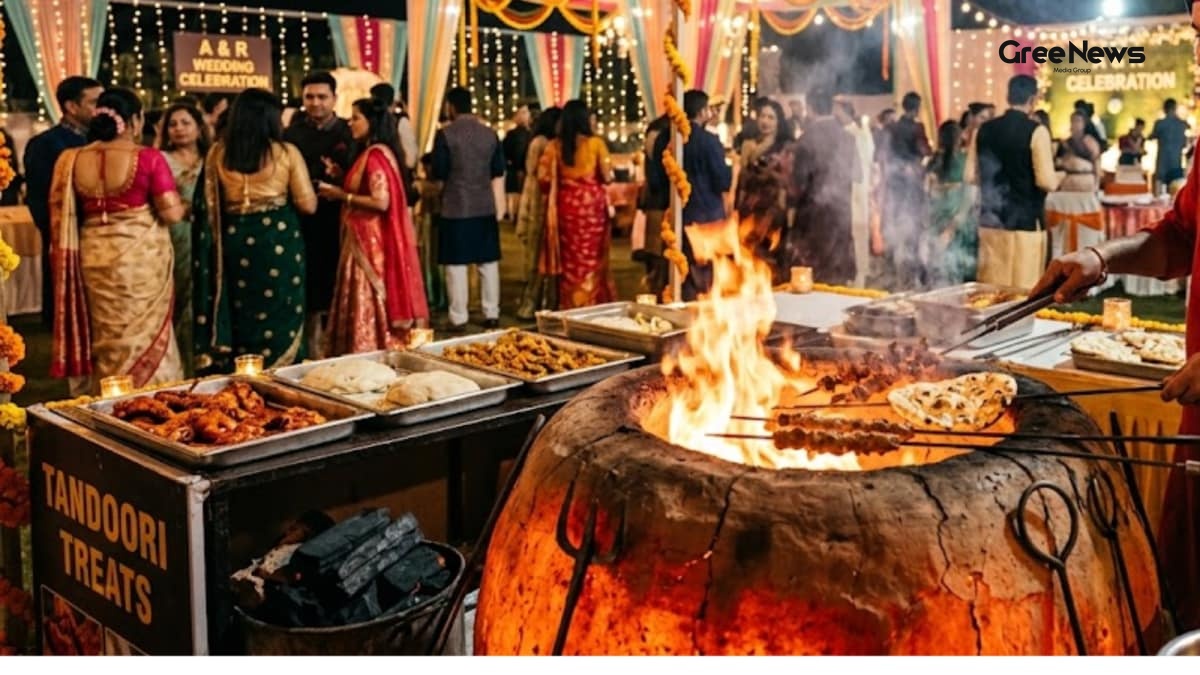
The wedding was being held in Malauli Gosai village, a place that falls under the Chhawani police station limits in Basti district, Uttar Pradesh. If you have ever attended a village shaadi in North India, you know how the whole community comes together relatives, neighbours, and even people from nearby towns. The venue usually has a big open area, rows of chairs or low‑level mats, and a large tandoor used for making naan, roti and sometimes even kebabs. The tandoor is almost always lit, its glowing orange belly giving the whole place a warm, festive glow.
In most Indian weddings, sweets play a major role. Rasgullas soft, syrup‑soaked balls of cheese are a favourite, especially among kids. The boy in this story apparently couldn’t resist the temptation and kept going back to a food stall that was serving these sugary delights. In many families, it’s common to see kids begging for extra sweets, and most vendors happily oblige. Little did he know that his repeated requests would set off a chain of events that no one could have imagined.
What Went Wrong The Caterer’s Reaction
According to the police report, the catering contractor the person responsible for arranging the food and managing the stalls got increasingly angry with the child. Apparently, the boy kept taking rasgullas from the stall, which might have been causing a shortage for the other guests. The caterer is said to have threatened the kid, and then, in a fit of rage, lifted him and placed him on the hot surface of the tandoor.
Now, I’m not a legal expert, but the description sounds like a scene straight out of a movie a heated argument, a sudden loss of control, and a terrifying moment when the child lost his balance and actually fell into the oven. The flames of a tandoor are intense; they can reach temperatures of 450‑500°C (around 850‑950°F). Even a brief contact can cause severe burns. The boy’s screams echo in the narrative, and according to witnesses, family members rushed to his side as soon as they heard the cries.
What happened next is interesting: the adults managed to pull him out, but the damage was already done. The burns covered his face down to his waist a truly severe injury that would require immediate and intensive medical care.
Medical Response From Ayodhya to Lucknow
After the chaotic rescue, the child was first taken to Ayodhya Medical College. The hospital staff there gave initial treatment, but because of the gravity of the burns which likely involved third‑deGree injury the doctors decided to refer him to a larger facility. He was then shifted to Lucknow Medical College, a centre known for its burn unit. In most Indian hospitals, severe burn cases are handled with a combination of fluid therapy, antibiotics, and multiple dressing changes. The recovery process can be long and painful, often needing physiotherapy and sometimes skin grafts.
While I was reading, I couldn’t help but think of the countless stories where kids had similar injuries in kitchen accidents. In many Indian households, the tandoor is a staple, especially in the northern regions, but rarely do we hear of it being used as a weapon. This incident, strangely enough, turned the tandoor a symbol of hospitality and good food into a source of trauma.
Police Action A Case Filed and a Man on the Run
Local police didn’t waste time. They registered a case against the catering worker who allegedly threw the child. Since the accused disappeared from the scene, special teams have been formed to track him down. The investigation is still ongoing, with officials promising to keep the public updated.
In most Indian towns, law enforcement faces challenges when the suspect runs away, especially if the person is part of the local community and knows the area well. However, the police have a duty to act swiftly, not only for this case but also to send a strong message that any form of child abuse or violence will not be tolerated. This story has quickly become part of the trending news India, with people sharing it across social media platforms, demanding justice.
Why This Story Went Viral The Bigger Picture
There are a few reasons why this particular incident turned into viral news. First, the sheer shock factor an 11‑year‑old being thrown into a burning tandoor over something as innocent as rasgullas. Second, the emotional pull we all remember the sweet taste of rasgullas from our own childhood, and the thought of a child being harmed for wanting them hits a nerve. Third, the fact that it happened at a wedding a celebration that usually stands for joy, unity, and togetherness makes the contrast even stronger.
When I talked to a few friends, most of them said this was the kind of breaking news that makes them think twice about the safety measures at large gatherings. Some even recalled similar incidents where food‑related disputes turned violent, though never as extreme. The story also reminded many of us about the need for better child‑protection protocols at public events, especially in rural and semi‑urban areas where regulation might be lax.
Among the comments on social platforms, many people were surprised, some angry, and many expressing deep concern for the boy’s future. In most cases, the discussion swayed towards asking the authorities to enforce stricter hygiene and safety norms, and also to educate catering staff about handling children politely.
Reflections How We Can Prevent Such Tragedies
From a personal perspective, this incident made me think about the everyday interactions we often overlook. For instance, when a child asks for a sweet at a wedding, most of us just laugh it off. But what if the vendor is already under a lot of pressure? What if the event is overcrowded and the supply is limited? A bit of empathy could go a long way.
In many Indian weddings, the organizers hire caterers on a short‑notice basis, and the staff may not receive any training on conflict resolution. Introducing basic communication workshops for catering crews could help them manage situations without resorting to aggression. Moreover, having a designated child‑safety officer at big events could ensure that any dispute involving minors is handled calmly.
It’s also worth noting that the tandoor, while essential for cooking, can become hazardous if not properly supervised. Simple measures like fencing around the hot oven, posting warning signs, and assigning staff to keep children away can significantly reduce accidents. The boy’s case illustrates that even a moment of carelessness can lead to a life‑changing injury.
Community Response Support for the Boy and His Family
One neighbour of the family said, “We always looked after each other. When this happened, we couldn’t just stand back. The child is just a little boy, and the pain he’s going through… we all felt it.” Stories like these add a human touch to the otherwise grim facts, and they’re part of what keeps the conversation alive on the internet.
It’s also interesting to see how quickly the story spread across different platforms. In just a few hours, it became a part of the trending news India segment on several news portals, and people started sharing it with the hashtag #SaveTheBoy. The combination of a heartbreaking incident and the power of digital media made this case a perfect example of how viral news can mobilise public sentiment.
Legal Angle What the Law Says
From a legal standpoint, the accused could be booked under sections of the Indian Penal Code that deal with assault, grievous hurt, and child endangerment. If proven, the case could also fall under the Protection of Children from Sexual Offences (POCSO) Act if any element of sexual exploitation is found, although current reports only mention physical violence.
In most cases where a child’s life is endangered, the courts tend to take a strict stance. The Indian judiciary has previously handed down severe sentences for similar violent acts against minors. The fact that the accused fled the scene might also lead to additional charges for evading law enforcement.
One thing that stands out in Indian legal practice is the concept of ‘grievous hurt’ injuries that threaten the life or cause permanent deformity. Burns covering the face and torso are typically classified as grievous, meaning the punishment could be rigorous imprisonment up to ten years, alongside a fine.
What’s Next Ongoing Investigation and Public Expectation
As of now, the police are still hunting for the catering worker. They have set up a special team and are calling on anyone who might have seen the accused after the incident to come forward. The investigation is also looking into how the wedding was organised, whether any safety norms were ignored, and if the food‑stall owner was aware of the altercation.
Many people, especially those following this story as part of breaking news, expect a swift resolution. The public pressure, amplified by the viral spread of the story, could push the authorities to act more decisively. In most Indian cases that gain national attention, the police and the courts tend to expedite the process, though the exact timeline remains uncertain.
Meanwhile, the boy’s family continues to focus on his recovery. The community’s prayers and the support they receive are a reminder that, even in the darkest moments, there’s often a silver lining in the form of collective goodwill.
Final Thoughts A Lesson for All of Us
Reading about this incident made me reflect on the everyday moments we all take for granted. A simple request for a rasgulla, a common sight at any Indian celebration, turned into a life‑altering tragedy. It teaches us that patience, especially when dealing with children, is essential; and that event organisers must always keep safety at the forefront.
For anyone attending a wedding or any large gathering, it’s worth being aware of the surroundings especially hot appliances like tandoors and keeping an eye on the little ones. A quick word of caution, a gentle smile, or a small gesture of help can prevent a drama that could otherwise become the next viral news story.
So, the next time you’re at a function and see a kid eyeing those sweet rasgullas, maybe hand them one yourself or ask the vendor to set aside a few. Small acts of kindness could make a huge difference. That, I think, is the real takeaway from this heartbreaking yet eye‑opening breaking news piece.