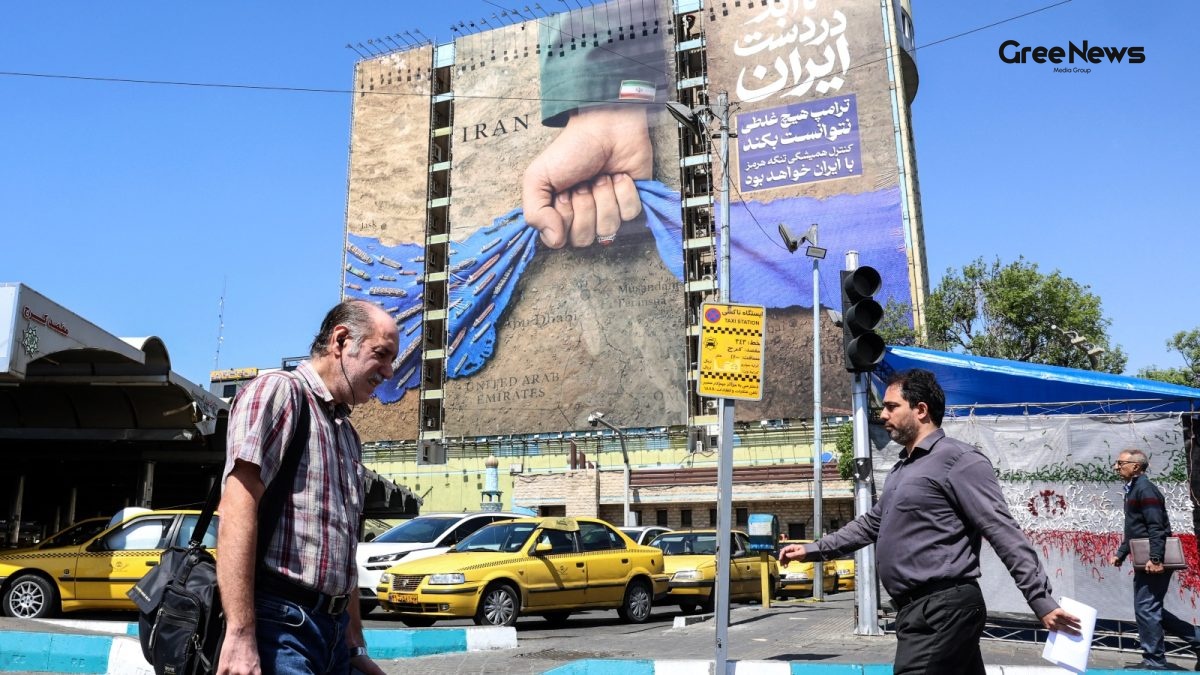
How I Came Across the IRGC Announcement
So, there I was, scrolling through my phone on a lazy Sunday, when a breaking news notification popped up about the Strait of Hormuz. You know the feeling when a piece of latest news India hits your feed and you just have to read more? That's exactly what happened. The headline screamed that the Islamic Revolutionary Guard Corps (IRGC) had put out new conditions for ships passing through the narrow waterway. I paused my cricket replays, sipped my chai, and decided to dig deeper because, let's face it, this kind of trending news India can affect a lot of things from oil prices to the very ships that dock at our ports.
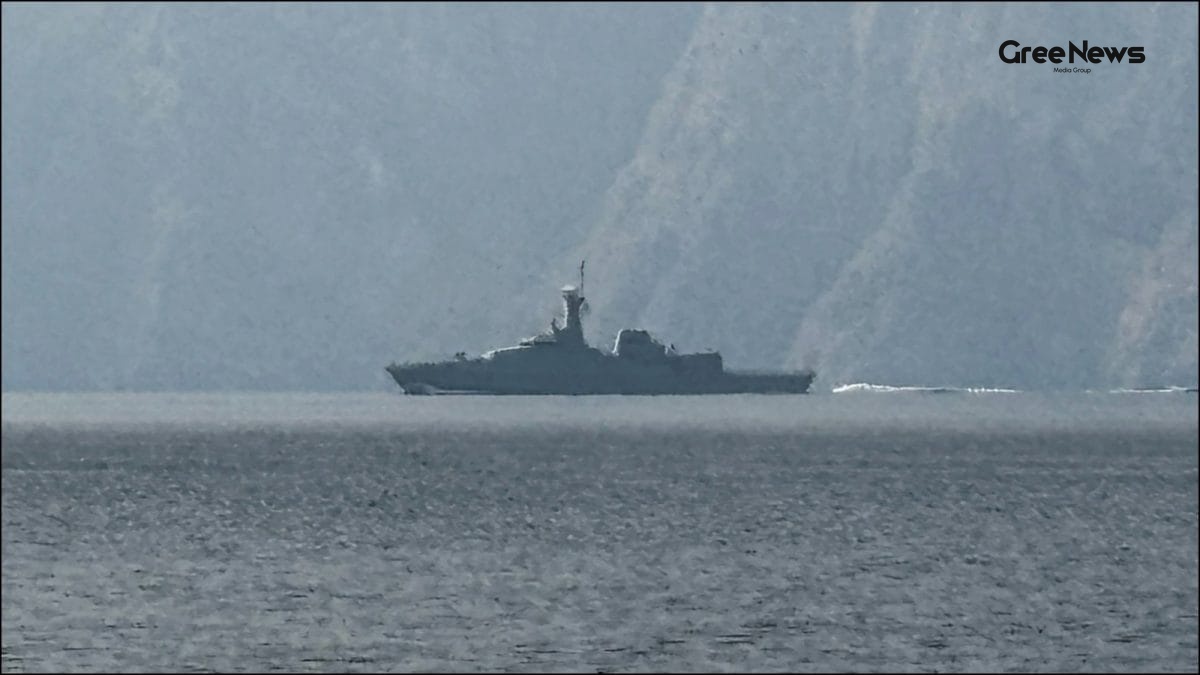
What caught my interest was the tone of the statement it sounded firm, almost like a rulebook being handed out to the world. The IRGC Navy Command was clear: any civilian vessel wanting to pass through Hormuz must stick to routes that Iran pre‑approves, and any military ship is flat‑out barred. It felt like a new chapter in a story that has been unfolding for years, and I wanted to know what exactly changed and why.
Background: The Strait That Holds the World’s Oil
Before I go into the nitty‑gritty of the new rules, let me set the scene. The Strait of Hormuz is that thin slice of water between Iran and Oman, and it’s the shortcut for a huge chunk of the world’s crude oil think about half of the global supply passes through there. Because of its importance, any hint of trouble often makes headlines as breaking news around the globe. In India, we watch this closely; any disruption can tremor across our fuel stations, affect the cost of diesel, and even sway the rupee.
Now, the IRGC has always claimed to be the “guardian” of Hormuz. Over the past few months, the waterway has been described as “completely open” for commercial traffic, even as the United States kept a naval presence and hinted at blockades. That paradox open yet tightly monitored is exactly what the latest IRGC statement tried to clarify.
IRGC’s Four‑Point Transit Framework
When the IRGC Navy Command released its statement, they boiled the new policy down to four key points. I wrote them down on a sticky note, because honestly, it reads a bit like a schoolyard rule list but with serious geopolitical weight.
- Restricted Civilian Routes: All commercial vessels must follow specific lanes that Iran has mapped out. No wandering off‑track.
- Ban on Military Passage: No warship, no navy vessel even those from friendly nations can sail through the strait under the current arrangement.
- Mandatory IRGC Approval: Before any ship sets foot in Hormuz, it needs a Green light from the IRGC Navy Command. Think of it as getting a permit from the local admin before a big festival.
- Coordination with Ceasefire Arrangements: The whole scheme aligns with the cease‑fire aGreement in Lebanon, which the IRGC says is being fully honoured.
What’s interesting is that the IRGC framed this as a move to keep the “ceasefire” intact, suggesting that any breach could mess up broader regional peace. The language felt a bit like a parent warning a teenager: “Follow the route, no funny business, and keep the house (or region) calm.”
Why the IRGC is Tightening the Leash
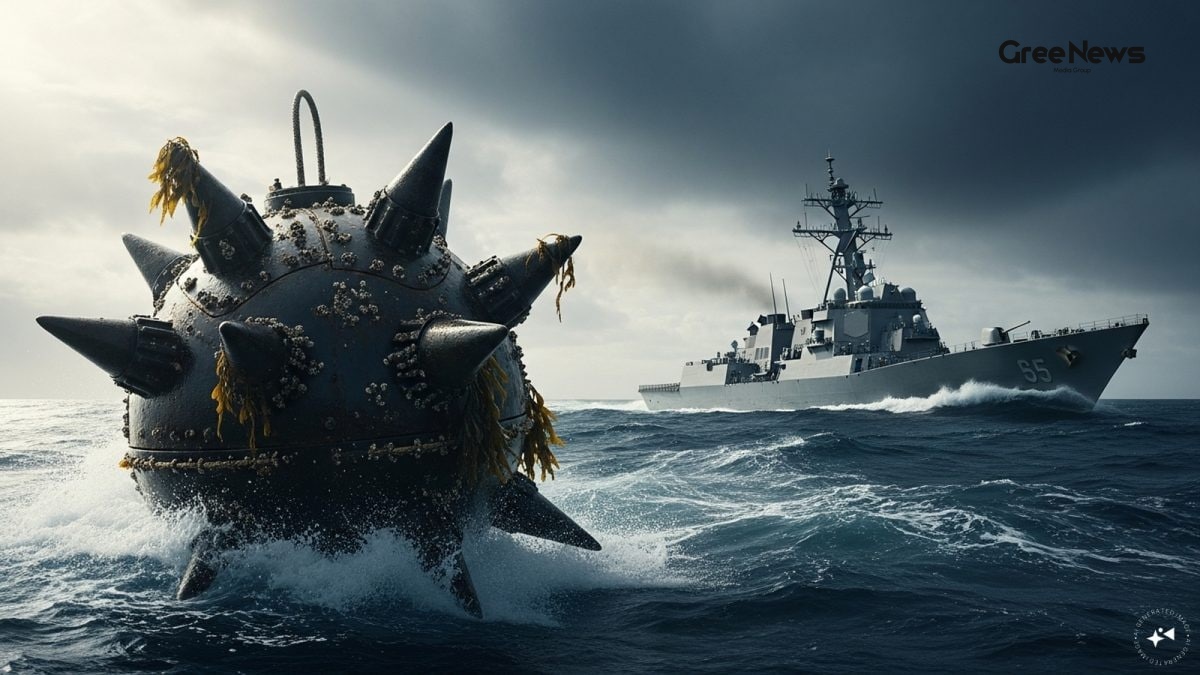
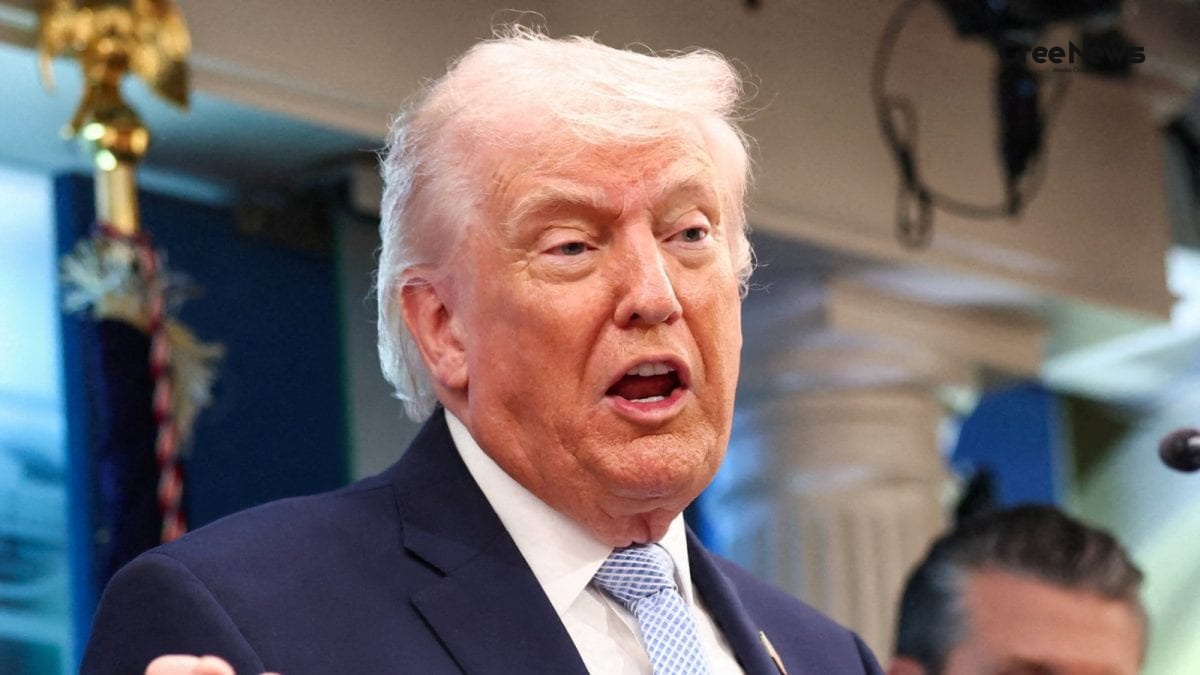
Here’s the thing: even though they say the strait is “open”, the reality is that there’s a lot of pressure building from the United States. The US, under President Donald Trump, has hinted at or even announced a naval blockade around Iranian ports. The IRGC’s new rules seem to be a response a way of saying, “If you want to navigate our waters, you must play by our rules.”
What caught people’s attention was the explicit mention of reciprocal measures. The IRGC warned that if the US continues its blockade, Iran will respond in kind. It’s a classic “you push, we push back” scenario, and it makes the whole situation a bit of a chess game on water.
International Reactions and the US Stance
On the other side of the globe, the US has been clear about its position. While President Trump welcomed the “open” status of Hormuz for commercial ships, he also made it known that the US naval blockade would stay until a broader aGreement is reached. This double‑talk praising openness while enforcing a blockade adds another layer of confusion for ship owners.
Iranian Foreign Minister Abbas Araghchi, in an earlier interview, said the waterway would stay open for the rest of the cease‑fire period, but only if ships follow the routes announced by Iran’s maritime authorities. Later, the Foreign Ministry’s spokesperson Esmaeil Baghaei reiterated that point, stressing Iran’s role as the “guardian”. He said Iran would act with “leniency where necessary” but would not tolerate continued restrictions on its ports.
That’s why you see this news trending across India’s media it’s not just about a narrow waterway, it’s about how two superpowers are playing out their push‑and‑pull, and how that might affect our own import‑export dynamics.
What This Means for Shipping Companies
If you’re a ship operator, the IRGC’s four‑point framework adds a layer of bureaucracy you have to navigate (no pun intended). First, you need to get clearance from the IRGC Navy Command which might involve paperwork, fees, and waiting times. Second, you must stick to the prescribed routes, which could mean longer travel distances and higher fuel consumption. Third, you have to be absolutely sure you’re not a military vessel, because that would mean an immediate denial.
Many captains I spoke to said this could lead to “delays at the checkpoints” and that they’re already adjusting schedules. Some even mentioned that the new rules might push some shipping lines to consider alternative routes, like the longer Gulf of Aden passage, despite the higher cost. That’s a classic case of “the road less traveled” becoming a reality because of geopolitics.
One thing is for sure: the IRGC’s stance makes the strait a bit more predictable in the sense that you now know the exact rules, but it also adds a “what‑if” factor what if the US decides to step up its blockade? That could change the entire equation, and ship owners will have to stay on their toes.
Impact on Oil Prices and Indian Markets
Whenever news like this breaks, you’ll see a quick move in the markets. A day after the IRGC announcement, oil futures ticked up, and the rupee’s value against the dollar showed a slight dip. Traders in Mumbai’s commodity exchanges were quick to label it as a “viral news” piece that could influence global oil flows.
For the average Indian consumer, this might eventually mean a small bump in diesel or petrol prices at the pump, especially if shipping costs rise. It also fuels a lot of discussion on social media: people posting memes about “Hormuz traffic jams” and others debating whether the government should intervene in oil imports.
In the bigger picture, the IRGC’s rules could be seen as a way to keep the oil flow stable while still asserting control. If they succeed, the market might settle, and we’ll see that “trending news India” fade into the background. If not, we could be in for more volatile price swings.
Why This Story Is Still Making Headlines
What happened next is interesting the IRGC’s declaration didn’t just sit quietly in diplomatic circles. It sparked debates across Indian news portals, chat groups, and even among the seafarers’ unions. Many were surprised by the specificity of the route guidelines, and a few shipping firms publicly thanked Iran for “clarity”, while others expressed concern over “potential delays”.
From a wider perspective, this news is part of a series of events that have kept the Strait of Hormuz in the global spotlight. The combination of an “open” waterway, a US naval presence, and now a concrete set of Iranian rules creates a dynamic that’s hard to ignore. It’s exactly the kind of “breaking news” that keeps us glued to our screens, wondering what the next move will be.
Final Thoughts: Watching the Waters Closely
All in all, the IRGC’s four‑point framework is a clear signal that Iran wants to control the narrative around the Strait of Hormuz. For us in India, it’s a reminder that geopolitics isn’t just something we read about in distant newspapers it directly shapes the price we pay at the pump and the routes our cargo ships take.
As the situation evolves, I’ll keep tracking the updates, because each new announcement adds another piece to this intricate puzzle. Whether you’re a trader, a captain, or just someone who likes to stay informed, this story is a perfect example of how regional decisions ripple out to affect everyday life. So, keep an eye on the news feeds for the next twist, and maybe next time we’ll have a clearer picture of how the Hormuz saga will finally settle.