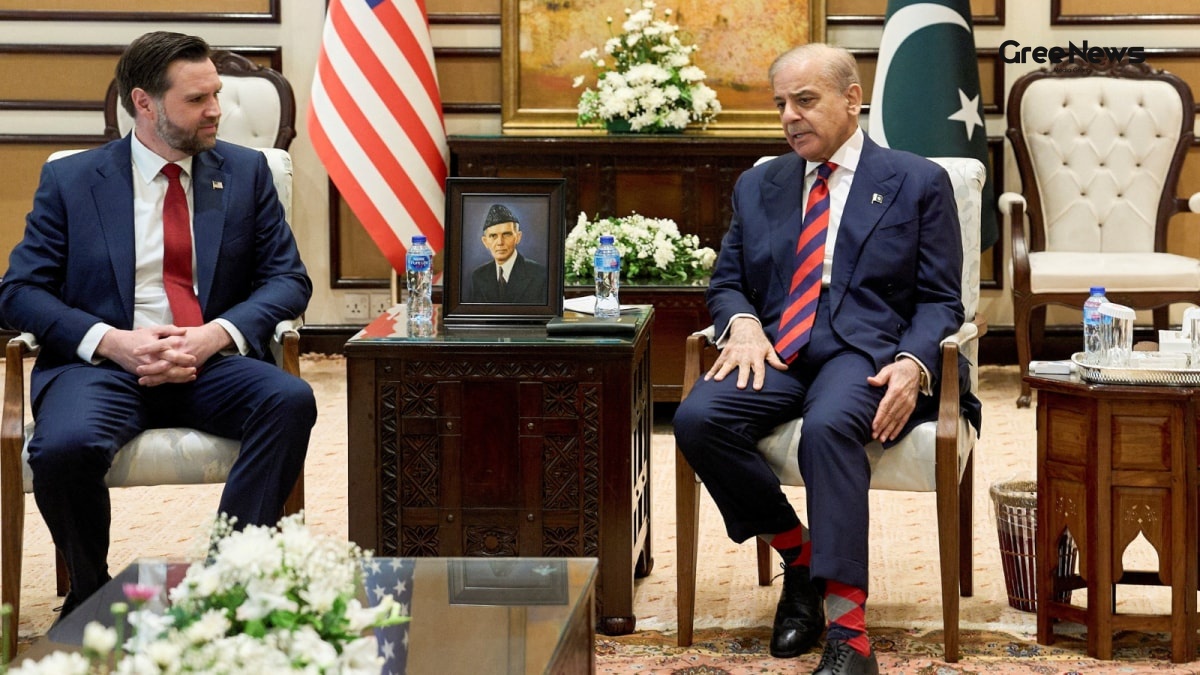
Pakistan mediates between US and Iran amid regional conflict, backing ceasefire efforts as Iran reopens Strait of Hormuz and Trump says a deal could come quickly.
The development comes amid growing international pressure to end weeks of hostilities between Washington and Tehran, which have disrupted global energy supplies and raised fears of a wider regional war. If you’re following the latest news India, you’ll notice that every channel is now echoing the same concern the world is watching, and so are we.
Pakistan emerges as key mediator
Let me tell you, Pakistan has been quietly working behind the curtains for a while now. It’s not a new thing for Islamabad to leverage its historic ties with both the United States and Iran. In most cases, the diplomatic dance is invisible to the common folk, but this time the stakes felt too high to stay hidden.
Diplomatic sources tell us that Islamabad has been involved in relaying messages, facilitating indirect communication and helping shape cease‑fire proposals, especially after direct engagement between Washington and Tehran remained limited. I remember my uncle, who works in a shipping company in Mumbai, mentioning how every little hint of stability in the Strait of Hormuz could mean smoother routes for his cargo ships. That’s why the idea of Pakistan acting as a messenger caught many people’s attention it’s a practical, ground‑level benefit.
One of the most interesting bits is that Pakistan’s role has also been linked to the transmission of a reported multi‑point US cease‑fire proposal, which was shared with Iran through intermediaries in recent weeks. It’s like a game of telephone, but with world leaders and high‑stakes outcomes. The fact that Pakistan is willing to shoulder that responsibility shows how seriously it is taking the regional fallout.
Ceasefire momentum builds
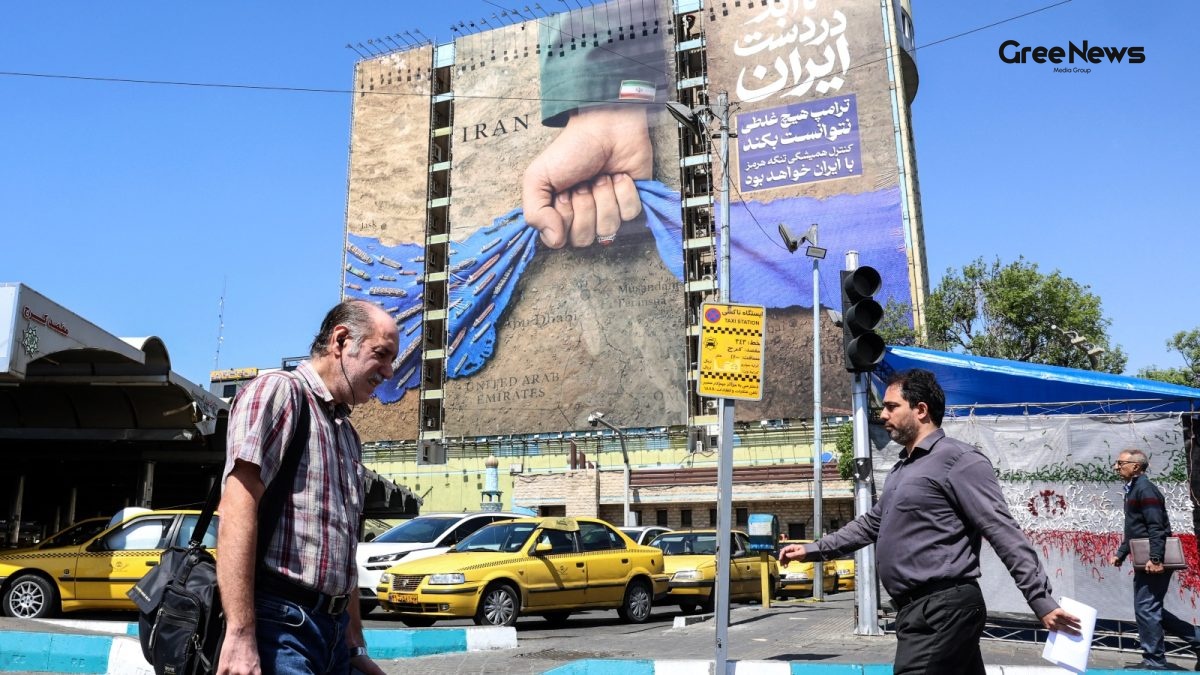
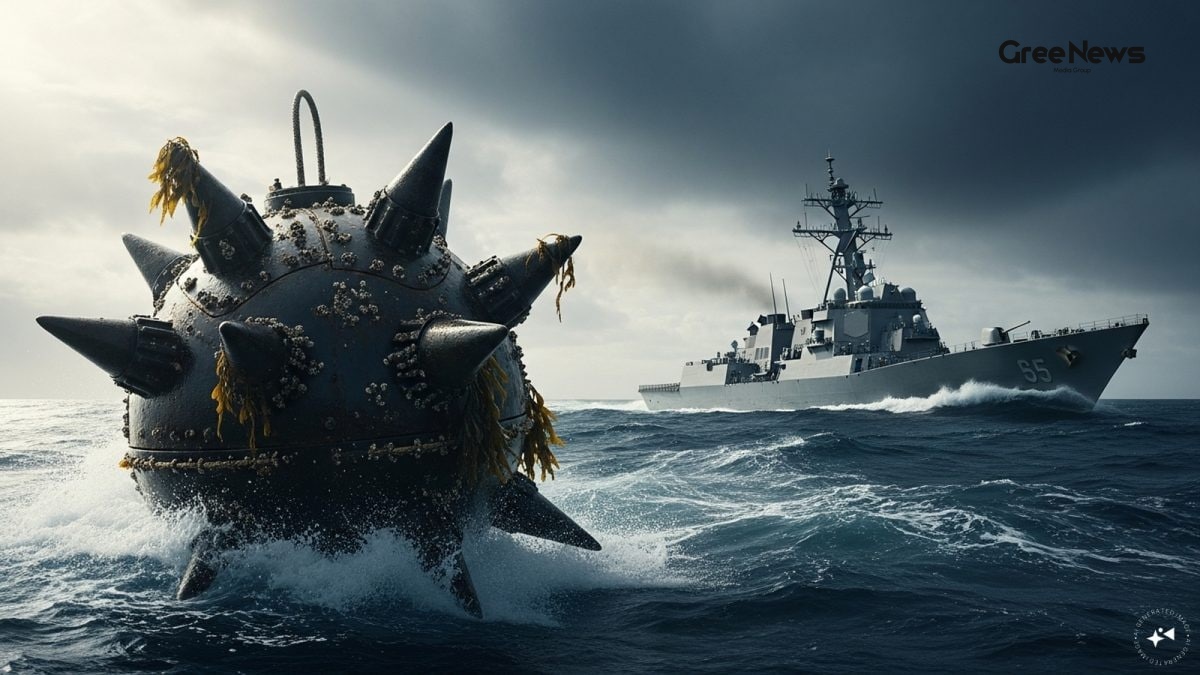
Now, here’s where things start to look a bit hopeful. A 10‑day ceasefire linked to the Israel‑Lebanon front has already been announced, and shortly after, Iran signalled its willingness to reopen the Strait of Hormuz to commercial shipping. That move helped ease global oil prices and was seen as a confidence‑building step toward broader negotiations. If you’re monitoring viral news on social media, you’ll see countless memes praising the reopening of the strait even a few jokes about how Indian tea prices might finally drop a bit.
At the same time, US President Donald Trump has indicated that talks with Tehran are progressing, saying a deal “should go very quickly” because many points have already been negotiated. As someone who follows the latest news India every morning, I can say that this optimism feels refreshing after weeks of grim headlines.
High‑stakes diplomacy amid war
The current conflict, which began after US and Israeli strikes on Iran in late February, has evolved into a multi‑front confrontation, involving missile exchanges, disruption of shipping routes and economic fallout worldwide. It’s the kind of headline that makes you pause your cricket match and scroll through the news feed, wondering how it will affect everyday life.
Diplomatic channels have remained active throughout, with countries like Pakistan stepping in to bridge gaps and reduce escalation risks. Islamabad’s outreach is also seen as part of a broader effort to stabilise the region, given its geographic proximity to Iran and economic stakes tied to Gulf stability. For many of us in India, stable Gulf oil supplies means less volatility at the pump and more predictable prices for household budgets.
Challenges ahead
Despite the positive vibes, we can’t ignore the hurdles. Key sticking points reportedly include sanctions relief, security guarantees and Iran’s nuclear programme, alongside demands linked to maritime access and regional de‑escalation. Analysts caution that while mediation efforts have created momentum, the situation remains fragile any breakdown in talks or cease‑fire violations could reignite tensions.
From a personal perspective, I can hear my neighbour in Delhi lamenting how the ongoing uncertainty makes his business of importing electronics from the Gulf a risky gamble. It’s a real‑world impact that pulls the breaking news from abstract to immediate.
What next?
With Pakistan stepping up its diplomatic engagement and both Washington and Tehran signalling openness to talks, the coming days could prove crucial in determining whether the conflict moves toward a negotiated settlement or slips back into escalation. Many people were surprised by how quickly the dialogue seemed to pick up after Pakistan’s involvement, and that curiosity keeps the conversation alive on WhatsApp groups and news comment sections.
For now, Islamabad’s message that it is willing to go “all lengths” underscores the urgency and high stakes surrounding efforts to broker peace. If the talks succeed, we could see a ripple effect across South Asia from calmer oil markets to reduced security concerns along our borders. If they falter, the anxiety will only deepen, feeding more viral news stories and keeping the nation on edge.
So, as we keep an eye on the latest updates, it’s worth remembering that behind every headline lies a complex web of negotiations where a neighbour’s quiet diplomacy might just be the catalyst for a broader, more stable future.