Why a new mission in Hormuz matters to us
Honestly, when I first heard about France and the UK stepping up to protect the Strait of Hormuz, I thought, "Another diplomatic headline, nothing for us Indians." But then I realised how tightly woven our daily life is with that narrow waterway. A big chunk of the crude that fuels the refineries in Gujarat, the diesel that runs the autos in Delhi, even the jet fuel that powers flights from Bengaluru to Londonall of it passes through Hormuz.
So, when leaders announced a defensive, neutral naval force, the conversation at my chai stall instantly turned from cricket scores to oil prices. It was clear: the stability of Hormuz has a direct line to the price we pay at the pump and the cost of goods in our markets. And that’s why this story became part of the latest news India feeds on every smartphone I checked that evening.
How the idea took shape a quick recap
Picture a virtual conference in Paris, with representatives from 49 countries popping up on screen, all buzzing about the same crisis. The conflict that erupted on 28 February had seen Iran seal the strait, causing panic among maritime traders worldwide. Although the United States and Iran weren’t part of the talks, most of the rest of the world wanted a way back to normalcy.
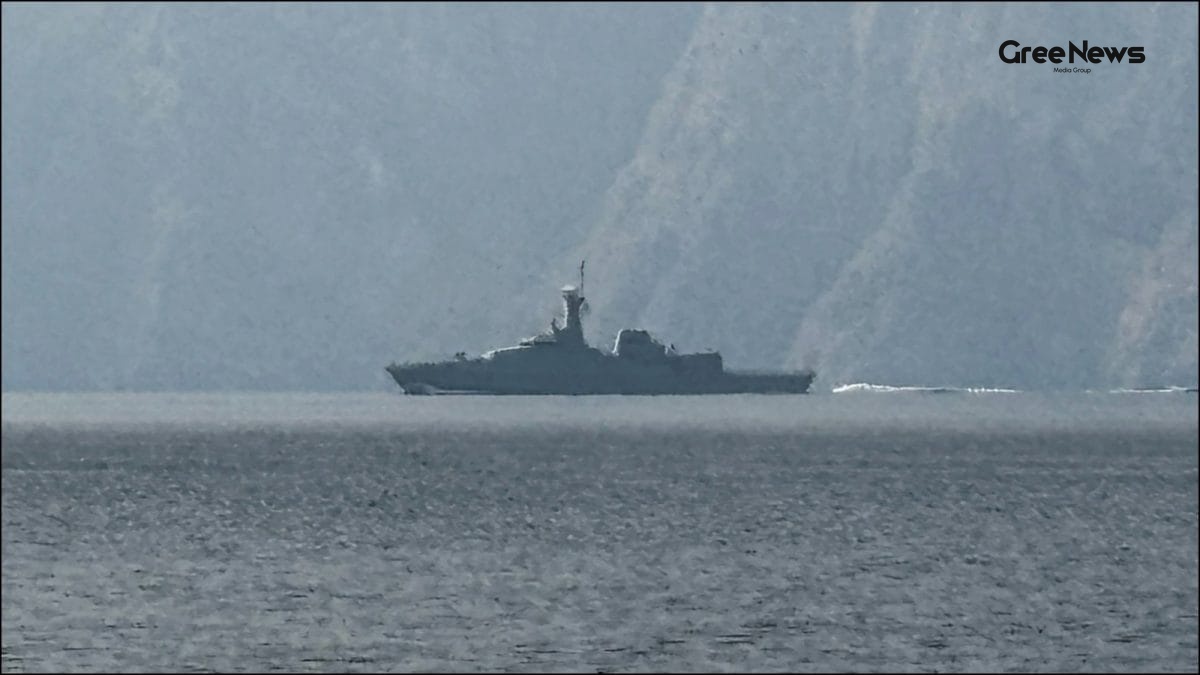
It was during this gathering that British Prime Minister Keir Starmer and French President Emmanuel Macron co‑chaired the session. They announced that France and the United Kingdom would lead a multinational mission, but they were very clear: the force would be “strictly defensive” and would only be deployed when a "lasting peace" had taken hold. That phrase kept echoing, because it meant no aggression, just protection of commercial shipping and support for mine‑clearing operations.
India’s own foreign ministry was among the virtual attendees, but the real buzz came when Italy’s Prime Minister Giorgia Meloni said Rome was ready to join, and Germany’s Chancellor Friedrich Merz hinted that it would be “desirable” for the United States to be involved too. The whole thing felt like a big coordination effort, a sort of global safety net for the sea lanes that keep our economy humming.
What "strictly defensive" really means
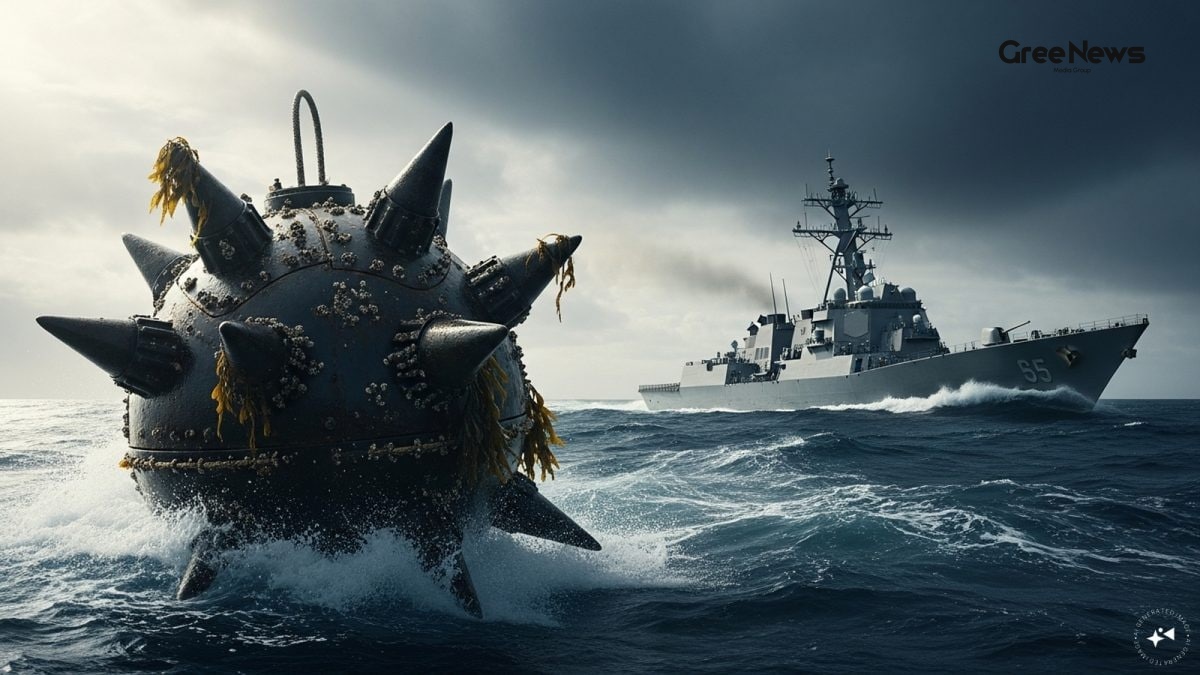
When Starmer described the mission as “strictly defensive”, he was trying to ease worries that this could turn into another naval standoff. He said the force would focus on three things: reassuring commercial shipping, supporting mine‑clearing teams, and basically acting as a watch‑dog to prevent any sudden flare‑ups.
In most cases, a defensive naval presence means ships patrol the waters, keep an eye on any suspicious activity and stand ready to intervene only if a vessel is threatened. That’s very different from a combat mission where the aim would be to attack or deter an adversary. Macron added that the mission would stay “neutral”, meaning it won’t side with any of the warring parties it’s purely about safety.
Many people were surprised by this emphasis on neutrality. In our Mumbai discussions, a friend who works in logistics said, "If the mission stays neutral, our cargo ships can sail with a bit more confidence, even if there’s still tension on the ground." That practical viewpoint helped me understand why the leaders were stressing the defensive nature so much.
Iran reopens the strait but is it enough?
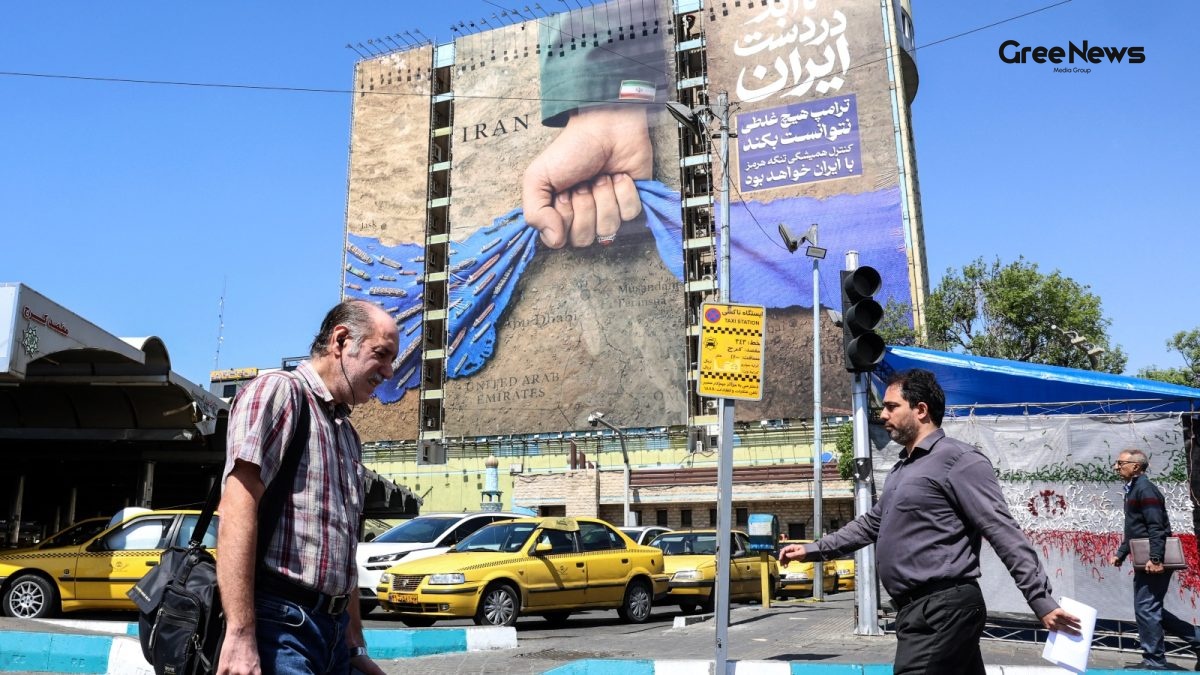
Just as the Paris talks were wrapping up, Iran’s Foreign Minister Abbas Araghchi announced that the Strait of Hormuz had been reopened to commercial vessels during the ongoing ceasefire. It was a relief, but the word “reopened” came with a qualifier it was not a full, unconditional reopening.
Leaders from the conference welcomed this step but warned that a temporary opening does not guarantee long‑term stability. For us in India, the difference matters. A half‑open strait could still cause bottlenecks, leading to delayed shipments and price spikes. Macron said the multinational mission would help “consolidate” the reopening, essentially giving it a safety blanket that could keep the corridor functional even if political talks falter.
This caught people’s attention because it linked the diplomatic language directly to the everyday price of petrol in Delhi or the cost of importing fertilizers in Punjab. It also highlighted why such a mission, even if purely defensive, could have a tangible impact on the Indian economy.
America’s stance a twist in the tale
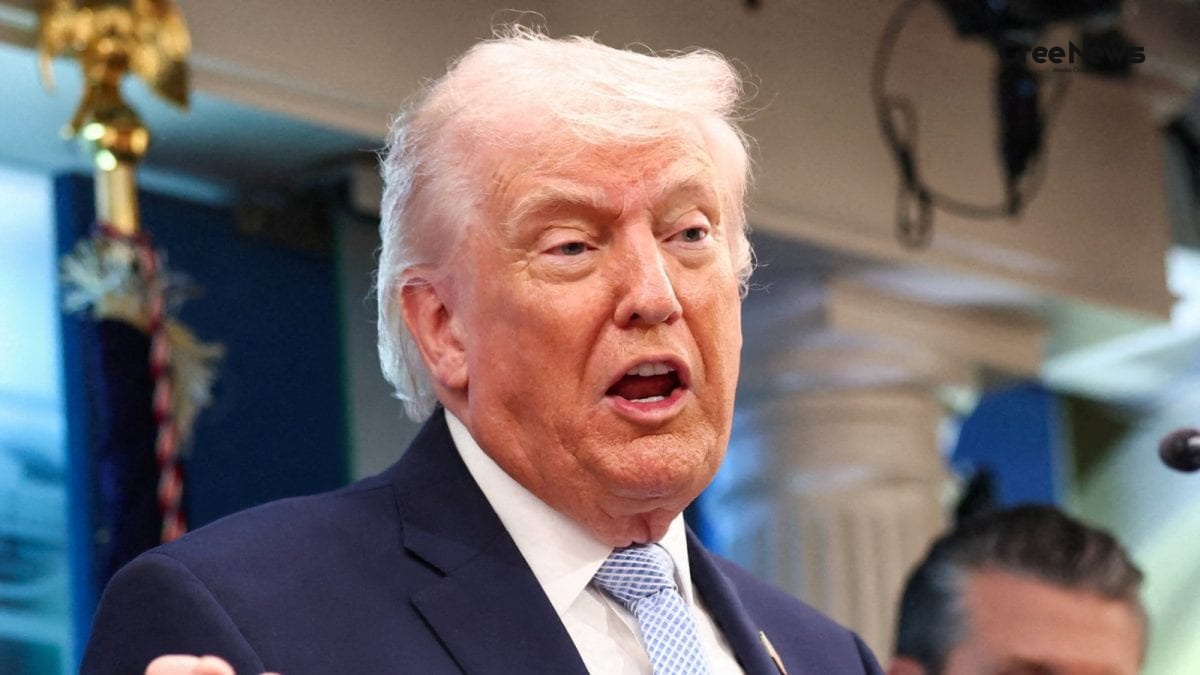
Amid all this, the United States, represented by President Donald Trump, took a rather stark position. He publicly rejected a reported NATO offer to help secure the strait, urging the alliance to “stay away”. This stance added another layer of complexity to the diplomatic chessboard.
While the US wasn’t part of the Paris talks, its absence was felt. Germany’s Chancellor Merz’s comment that US involvement would be “desirable” hinted at the lingering expectation that America’s naval power could act as a deterrent. However, the Europeans decided to move forward without it, aiming to showcase a united front that isn’t wholly dependent on US participation.
For Indian observers, this was a classic example of how global powers juggle interests. It also sparked a wave of “viral news” on social media, with many speculating what a US‑free mission would look like in practice. The speculation itself kept the story trending in our news feeds.
Economic implications for India
Now, let’s bring it closer to home. India imports a large fraction of its crude oil via the Hormuz route. Any hiccup there can ripple through to the price of gasoline, diesel, and even the cost of plastics used in everyday items. When Keir Starmer warned that ensuring uninterrupted passage through Hormuz is “critical to controlling global prices”, he was essentially speaking about the price we pay at the petrol pump.
During a recent conversation with a friend who works in a shipping company based in Chennai, he mentioned that their vessels currently take a slightly longer detour around the Arabian Sea to avoid any risk, which adds both time and fuel costs. A stable Hormuz corridor could shave off days from the journey and save considerable fuel savings that could eventually reflect as lower freight charges for Indian exporters.
This is why the mission, although European‑led, is getting a lot of coverage in “trending news India”. It directly ties to the larger narrative of India’s economic health and the cost of living for common people.
Next steps and what to watch for
According to the officials, the next week will see military planners gathering at the UK’s Northwood headquarters to hammer out the operational details. While the specifics are still under wraps, the expectation is that once a durable ceasefire is confirmed, the defensive fleet could be dispatched within a short window.
What’s interesting and what keeps people hooked is the “what happened next is interesting” factor. Will the mission stick strictly to its defensive charter? Will more countries, perhaps even Japan or South Korea, join in? And how will the US respond if the mission starts to show effectiveness?
In most cases, I expect the mission to act as a confidence‑builder for commercial shipping. That in turn could help keep oil prices steady, which is something every Indian, from a small shopkeeper in Kolkata to a multinational corporate CFO in Hyderabad, hopes for.
Until then, we’ll keep an eye on the updates, especially any fresh statements from Starmer or Macron. And as the story continues to evolve, it will likely remain a staple of the “breaking news” feeds across Indian portals, shaping discussions around trade, security, and everyday economics.